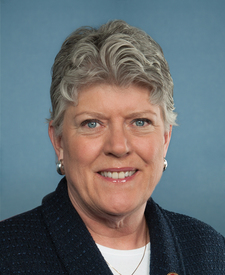
See how Julia Brownley actually votes — against your values.
DeepSyte scores Julia Brownley's record on the issues you care about — not party, not press releases. Take the 2-minute values quiz to see your personal alignment.
Sign in and take the values quiz to see how Julia Brownley's votes line up with your views.
Prediction track record
We haven't made any vote predictions for Julia Brownley yet. Predictions are generated for bills with tagged effects; they show up here as soon as the predict-votes job covers this rep's upcoming docket.
Consistency insights
Julia Brownley · statement ↔ vote record
86
Consistency score
Based on 13 data points across public statements and recorded votes · AI analysis of public records
118-hr-7909·Consistent
Violence Against Women by Illegal Aliens Act
92/100
What they said
Jun 1, 2026
The members urge the Department of Homeland Security to reinstate protections for immigrant survivors of domestic violence and abuse, arguing that current Trump administration policies create a chilling effect preventing survivors from reporting violence and seeking help.
The statement urges DHS to reinstate protections for immigrant survivors of domestic violence and abuse, emphasizing that current policies create a chilling effect preventing survivors from reporting violence. The bill expands deportation grounds for non-U.S. nationals convicted of domestic violence and sex offenses. Rep. Brownley's NO vote on this amendment is consistent with her stated position: she opposes policies that would increase deportation risk for immigrant survivors, as such measures would exacerbate the chilling effect she identifies in the statement.
The members urge the Department of Homeland Security to reinstate protections for immigrant survivors of domestic violence and abuse, arguing that current Trump administration policies create a chilling effect preventing survivors from reporting violence and seeking help.
The statement urges protection for immigrant survivors of domestic violence, emphasizing that immigration enforcement policies create a chilling effect preventing survivors from seeking help. The bill makes Social Security and identification document fraud grounds for deportation. Rep. Brownley's NO vote on a bill that expands deportation grounds is strongly consistent with her stated position that current immigration enforcement policies harm vulnerable immigrant survivors and should not be expanded.
Protecting our Communities from Failure to Secure the Border Act of 2023
92/100
What they said
Jun 1, 2026
The members urge the Department of Homeland Security to reinstate protections for immigrant survivors of domestic violence and abuse, arguing that current Trump administration policies create a chilling effect preventing survivors from reporting violence and seeking help.
The statement urges DHS to protect immigrant survivors of domestic violence from deportation and ICE detention. The bill prohibits federal lands from housing non-admitted aliens and revokes a specific lease for migrant housing. These address opposite sides of the same immigration enforcement question: the statement opposes restrictive enforcement policies that endanger vulnerable immigrants; the bill tightens restrictions on housing and services for non-admitted migrants. The rep's NO vote on the restrictive bill is consistent with the stated position supporting protections for vulnerable immigrants.
The members urge the Department of Homeland Security to reinstate protections for immigrant survivors of domestic violence and abuse, arguing that current Trump administration policies create a chilling effect preventing survivors from reporting violence and seeking help.
The statement urges DHS to protect immigrant survivors of domestic violence from deportation and ICE enforcement, emphasizing that harsh immigration enforcement creates a chilling effect preventing survivors from seeking help. The bill increases criminal penalties for illegal entry and reentry, with mandatory minimums and enhanced sentences. The rep's NO vote on this amendment aligns with the statement's position opposing stricter enforcement that would deter immigrant survivors from reporting abuse. However, the vote is on an amendment rather than passage, and the specific amendment language is not provided, creating some uncertainty about what the amendment proposed.
The members urge the Department of Homeland Security to reinstate protections for immigrant survivors of domestic violence and abuse, arguing that current Trump administration policies create a chilling effect preventing survivors from reporting violence and seeking help.
The statement urges DHS to reinstate protections for immigrant survivors of domestic violence, emphasizing that current policies create barriers to reporting abuse. The bill (Secure the Border Act of 2023) focuses on border wall construction and asylum eligibility limits, with no provisions addressing protections for abuse survivors. The rep's NO vote on a bill that tightens immigration enforcement is directionally consistent with advocacy for immigrant survivor protections, though the bill and statement address different specific policy mechanisms—one about enforcement/barriers, the other about survivor safety carve-outs.
The members urge the Department of Homeland Security to reinstate protections for immigrant survivors of domestic violence and abuse, arguing that current Trump administration policies create a chilling effect preventing survivors from reporting violence and seeking help.
The statement urges DHS to protect immigrant survivors of domestic violence from deportation and ICE detention, emphasizing that fear of deportation prevents survivors from reporting abuse. The bill penalizes sanctuary jurisdictions that restrict cooperation with immigration detainers, which would increase deportation risk for undocumented immigrants including abuse survivors. Rep. Brownley's NO vote on this bill is consistent with her stated position protecting immigrant survivors, as passage would undermine the protections she advocates for. The bill's carve-out for crime victims does not fully address the chilling effect on reporting that the statement emphasizes.
Detain and Deport Illegal Aliens Who Assault Cops Act
85/100
What they said
Jun 1, 2026
The members urge the Department of Homeland Security to reinstate protections for immigrant survivors of domestic violence and abuse, arguing that current Trump administration policies create a chilling effect preventing survivors from reporting violence and seeking help.
The statement urges DHS to protect immigrant survivors from deportation when they report abuse, emphasizing that fear of deportation creates a chilling effect preventing survivors from seeking help. The bill mandates detention and deportation of non-U.S. nationals arrested for assaulting law enforcement. Rep. Brownley's NO vote is consistent with her stated position: she opposes policies that use deportation as a tool against immigrants in vulnerable situations, and this bill expands mandatory detention/deportation for a specific category of non-citizens. The bill does not address survivor protections and instead reinforces the enforcement-first approach that Brownley argues harms vulnerable populations.
The members urge the Department of Homeland Security to reinstate protections for immigrant survivors of domestic violence and abuse, arguing that current Trump administration policies create a chilling effect preventing survivors from reporting violence and seeking help.
The statement urges DHS to reinstate protections for immigrant survivors of domestic violence, emphasizing that enforcement policies create a chilling effect preventing survivors from reporting abuse. The Laken Riley Act mandates detention of non-U.S. nationals arrested for property crimes (burglary, theft, larceny, shoplifting) and expands state authority to sue over immigration enforcement decisions. Rep. Brownley's NO vote on this bill is consistent with her stated position: the bill's mandatory detention provisions and enforcement-focused approach would likely exacerbate the chilling effect she identifies, discouraging immigrant survivors from seeking help or reporting crimes. The bill does not contain provisions protecting domestic violence survivors.
Transnational Criminal Organization Illicit Spotter Prevention and Elimination Act
85/100
What they said
Jun 1, 2026
The members urge the Department of Homeland Security to reinstate protections for immigrant survivors of domestic violence and abuse, arguing that current Trump administration policies create a chilling effect preventing survivors from reporting violence and seeking help.
The statement advocates for protecting immigrant survivors of domestic violence from deportation and ICE enforcement actions. The bill criminalizes conduct that interferes with border control and immigration enforcement, including penalties for assisting inadmissible aliens. While both address immigration policy, they approach it from opposing directions: the statement seeks to shield vulnerable immigrants from enforcement; the bill strengthens enforcement mechanisms and penalties. The rep's NO vote aligns with the statement's protective stance toward immigrants, though the bill's focus on criminal penalties for border interference is distinct from the statement's focus on domestic violence survivor protections.
The members urge the Department of Homeland Security to reinstate protections for immigrant survivors of domestic violence and abuse, arguing that current Trump administration policies create a chilling effect preventing survivors from reporting violence and seeking help.
The statement urges protection for immigrant survivors of domestic violence, emphasizing that enforcement actions create a chilling effect preventing survivors from seeking help. The bill creates new criminal offenses and deportability consequences for fleeing law enforcement near the border. While both touch immigration enforcement, they address distinct questions: the statement opposes aggressive ICE enforcement against vulnerable populations; the bill establishes criminal penalties for fleeing from Border Patrol. The rep's NO vote aligns with the statement's concern about enforcement policies that harm vulnerable immigrants, though the bill's specific focus on border-area vehicle flight differs from the statement's focus on domestic violence survivors.
The members urge the Department of Homeland Security to reinstate protections for immigrant survivors of domestic violence and abuse, arguing that current Trump administration policies create a chilling effect preventing survivors from reporting violence and seeking help.
The statement urges protection for immigrant survivors of domestic violence, emphasizing that current policies create barriers to reporting abuse and accessing help. The Schools Not Shelters Act prohibits schools from sheltering undocumented immigrants. Rep. Brownley's NO vote on this bill is consistent with her stated position: opposing restrictions on services available to immigrants, particularly those in vulnerable situations. The bill's prohibition would reduce available shelter options for undocumented immigrants, which aligns with the chilling effect the statement describes.
The members urge the Department of Homeland Security to reinstate protections for immigrant survivors of domestic violence and abuse, arguing that current Trump administration policies create a chilling effect preventing survivors from reporting violence and seeking help.
The statement urges DHS to protect immigrant survivors of domestic violence from deportation, emphasizing that fear of deportation prevents survivors from reporting abuse and seeking help. The POLICE Act makes assault of law enforcement a deportable offense. Rep. Brownley's NO vote on the POLICE Act is consistent with her stated position: the bill would expand deportation grounds in ways that could further chill immigrant survivors' willingness to engage with authorities (including law enforcement), reinforcing the chilling effect she opposes. The vote aligns with her advocacy for protecting immigrant survivors from deportation-based coercion.
Continuing Appropriations and Border Security Enhancement Act, 2024
75/100
What they said
Jun 1, 2026
The members urge the Department of Homeland Security to reinstate protections for immigrant survivors of domestic violence and abuse, arguing that current Trump administration policies create a chilling effect preventing survivors from reporting violence and seeking help.
The statement urges DHS to reinstate protections for immigrant abuse survivors and opposes Trump administration policies that create a chilling effect on reporting. The bill is a continuing appropriations measure that includes provisions prohibiting DHS from using funds for certain immigration-related purposes, though the specific nature of those prohibitions is not detailed in the summary. Rep. Brownley's NO vote on a continuing resolution that restricts DHS immigration funding is generally consistent with her stated concern for protecting immigrant survivors, though the bill's primary purpose is routine appropriations and the specific immigration provisions are not fully characterized.
Pairs with ambiguous language and high uncertainty are withheld until more data is available. Procedural, cloture, and amendment votes are excluded — they don't cleanly signal substantive support or opposition.
Pro analysis
AI rep analysis — Pro
Get an AI-narrated read on Julia Brownley's full voting record against your stated values — aligned themes, conflicts, notable votes, and what to watch for.
We haven't extracted campaign positions for Julia Brownley yet. Once their campaign website or position pages are processed, this card will track what they said vs how they voted.
Crossing the aisle
No party-break passage votes recorded for Julia Brownley. Either they've voted with Democrats on every substantive passage vote in the corpus, or their tenure overlaps few high-threshold party-line votes so far.
Brownley, Democratic Women's Caucus Colleagues Urge DHS to Reinstate Protections for Immigrant Survivors Immediately - Congresswoman Julia Brownley
Position: The members urge the Department of Homeland Security to reinstate protections for immigrant survivors of domestic violence and abuse, arguing that current Trump administration policies create a chilling effect preventing survivors from reporting violence and seeking help.
Washington, DC – Today, Democratic Women's Caucus (DWC) member Congresswoman Julia Brownley (CA-26), DWC Executive Steering Committee member Congresswoman Debbie Dingell (MI-06), DWC member Congresswoman Gwen Moore (WI-04), and 32 DWC colleagues sent a letter to U.S. Department of Homeland Security (DHS) Secretary Markwayne Mullin urging him to immediately reinstate protections to help immigrant survivors escape abuse, stay safe, and seek justice without fear of deportation. This letter follows consistent abuse of immigrant survivors at the hands of ICE, including a harrowing report about a mother of two who was detained by Immigration and Customs Enforcement (ICE) agents after testifying against her ex-boyfriend for choking her until she lost consciousness then raping her. In the letter, the members also requested a meeting with Secretary Mullin to further discuss the importance of protecting survivors.
In the letter, the members explain that the Trump administration’s policies are continuing to put immigrant survivors at risk, despite demands from DWC that DHS act to protect them. The letter highlights multiple cases where ICE detained women after they sought help after abuse. This has created a chilling effect that prevents immigrant survivors from reporting violence, accessing health care, or seeking supportive services.
In the letter, DWC members explain that immigrant women are especially vulnerable to intimate partner violence because abusers often exploit survivors’ immigration status to maintain control and prevent them from seeking help:
“Immigrant women are especially vulnerable to intimate partner violence—experiencing intimate partner violence at a rate of 49%, which is three times the national average. This is in part because abusers can use survivors’ immigration status, to wield control, manipulating survivors not to report the abuse. In 2025, 75.6% of advocates reported that the immigrant survivors they help have concerns about contacting the police; 70.3% reported that immigrant survivors are concerned about going to court for a matter related to their abuser; and 50% reported that immigrant survivors chose not to report their abuser out of fear. The lack of reporting also means that abusers remain in our communities- making all of us less safe.”
The members also highlight that the Trump administration has weakened longstanding protections for immigrant survivors of domestic violence from the Violence Against Women Act:
“In December 2025, USCIS published updates to its Policy Manual that significantly weakened longstanding protections for immigrant survivors of domestic violence under the Violence Against Women Act (VAWA). The new narrow the definitions of ‘battery and extreme cruelty,’ raise evidentiary burdens through a stricter interpretation of the ‘any credible evidence’ standard, and impose new good moral character guidelines that ignore the realities survivors face—including trauma's effect on memory, abusers’ control over documents, and language and cultural barriers. These changes reward abusers by making it harder for survivors to self-petition for relief which goes against the intent of VAWA. Without protections in place for survivors to report violence coupled with stories about enforcement actions at courthouses and other sensitive locations, immigrant survivors are left with no safe avenues to report their abuse.”
DWC members close the letter by calling on DHS to change policies that are protecting perpetrators:
“Your Department must re-evaluate their policies to ensure that immigrant women survivors of intimate partner violence and other crimes can seek safety without fear. Your Department is punishing victims rather than perpetrators, which contradicts your Department and the President’s stated priority to keep our communities safe and get violent offenders off our streets. Your policies are instead protecting violent offenders, leaving many women vulnerable, scared, with their safety at real risk. Effective enforcement depends on survivors being able to safely report crime. Congress created survivor-based protections to support law enforcement and] improve public safety. A victim-centered approach strengthens enforcement, increases accountability, and makes us all safer. The Democratic Women’s Caucus stands with all survivors, and we implore your Department to undo these dangerous immigration policies and restore protections that allow survivors to escape abuse and receive the resources they need to heal. They deserve to find support without the looming threat of deportation. As you assume your new position, we would like to request a meeting with you to discuss this issue further. We look forward to your timely response.”
In addition to Brownley and letter leads Debbie Dingell and Gwen Moore, the letter was signed by Yassamin Ansari, Nanette Barragán, Joyce Beatty, Judy Chu, Yvette Clarke, Jasmine Crockett, Lois Frankel, Sylvia Garcia, Adelita Grijalva, Pramila Jayapal, Julie Johnson, Sydney Kamlager-Dove, Summer Lee, Teresa Leger Fernández, Sarah McBride, Betty McCollum, LaMonica McIver, Kelly Morrison, Brittany Pettersen, Delia Ramirez, Luz Rivas, Deborah Ross, Andrea Salinas, Lateefah Simon, Haley Stevens, Rashida Tlaib, Jill Tokuda, Bonnie Watson Coleman, Nikema Williams, and Frederica Wilson.
This is a follow up to the Democratic Women’s Caucus’s January letter calling on DHS to reinstate protections for immigrant survivors with pending T and U visa applications. This letter is part of DWC’s ongoing efforts to call out DHS on how their policies harm women, including at a hearing entitled: “The Assault of Women By Trump’s ICE & CBP” and in several oversight letters (see here, here, and here).
Issues: 119th Congress, Immigration
Brownley, Schiff, and Carbajal Launch Investigation into Sable Offshore’s Politicized Efforts to Restart Oil Drilling Operations Off Santa Barbara Coast - Congresswoman Julia Brownley
Position: The lawmakers oppose Sable Offshore's efforts to restart oil drilling off the California coast, arguing that the Trump administration's invocation of the Defense Production Act to facilitate the project constitutes a misuse of federal law and circumvents California's coastal protections and environmental standards.
Washington, DC – Today, Congresswoman Julia Brownley (D-Calif.-26), Senator Adam Schiff (D-Calif.), Congressman Salud Carbajal (D-Calif.-24), and members of the California congressional delegation are launching an inquiry into Sable Offshore’s efforts to restart oil drilling off the California coast and are demanding answers on the company’s collaboration with the Trump administration to invoke the Defense Production Act (DPA) in relation to this project.
In a letter to Sable Offshore Corp.’s CEO and Chairman Jim C. Flores, the lawmakers raise concerns about the timeline of Sable’s accrued lawsuits, cease and desist orders, fines, etc. dating back from April 2025 to March 2026. They demand Sable preserve all of their internal communication records between the company and administration officials related to the restart.
“The administration’s reliance on the Defense Production Act (DPA)—no doubt in consultation and coordination with lawyers representing Sable—is a serious misuse of a federal law meant to be involved for national security reasons, not to enrich an industry already making record profits. To help Congress better understand this effort to circumvent California law and coastal protections, we seek detailed information on the company’s role in this decision, and your communications with the Trump administration in relation to Sable Offshore’s SYU project,” the lawmakers wrote.
The lawmakers also point to concerning financial ties between Sable and President Trump, including executives at Sable directly contributing to the president’s campaigns. They emphasize that Sable has closely worked with the Trump administration to restart the oil pipelines that have been dormant for over a decade all in an effort to “benefit industry partners and preferred energy sources” rather than protect our coastlines.
“Californians do not want oil production restarting along their coasts and have voted repeatedly for California laws that block coastal oil production. The environmental impacts, along with the economic fallout from those impacts, are simply too great, especially when there is little to no benefit for California consumers. We urge you to pause and consider the long-term legal and financial ramifications of collaborating with the Trump administration to circumvent California law,” the lawmakers concluded.
In addition to Brownley, Schiff, and Carbajal, the letter was signed by U.S. Senator Alex Padilla (D-Calif.) and U.S. Representatives John Garamendi (D-Calif.-08), Jared Huffman (D-Calif.-02), Mike Levin (D-Calif.-49), Dave Min (D-Calif.-47), Jimmy Panetta (D-Calif.-19), Speaker Emerita Nancy Pelosi (D-Calif.-11), and Mike Thompson (D-Calif.-04).
The full text of the letter can be found here, and below:
We write to express our grave concern over the restart of Sable Offshore Corporation’s (Sable) Santa Ynez Unit (SYU) offshore oil activities near the coast of Santa Barbara, California, and your company’s disregard for California law and the well-being of our constituents. The administration’s reliance on the Defense Production Act (DPA)—no doubt in consultation and coordination with lawyers representing Sable—is a serious misuse of a federal law meant to be invoked for national security reasons, not to enrich an industry already making record profits. To help Congress better understand this effort to circumvent California law and coastal protections, we seek detailed information on the company’s role in this decision, and your communications with the Trump administration in relation to Sable Offshore’s SYU project. We also demand that all relevant documents and records pertaining to the SYU project as described in detail below be preserved.
In February 2024, your family-owned special purpose acquisition company, Flame Acquisition Corp., struck a deal with ExxonMobil to acquire SYU for roughly $700 million, creating the Sable merger. Given the liabilities attached to SYU operations, including ten years of platform and equipment inactivity, challenges with complying with State regulations, and twenty-seven other risk factors identified in Sable’s Securities and Exchange Commission (SEC) 10-K Form, this was a risky purchase.
Since April 2025, Sable has accrued multiple lawsuits, shareholder complaints, notices of violation, cease and desist orders, and fines from California state agencies and nonprofit organizations. Sable has responded by disobeying directives and filing counterclaims for monetary damages. A timeline of state agency and court penalizations are outlined below:
April 2025: The California Coastal Commission (CCC) issued an $18 million fine and cease and desist order against Sable for unpermitted work that harmed habitats and waters on California’s coastline in violation of California’s Coastal Act. At the hearing, CCC staff presented evidence of Sable ignoring state orders; Sable had previously received two cease and desist orders from CCC for violating the Coastal Act and Sable responded by suing the CCC and vowing to continue work in defiance of the order. In October 2025, Sable filed a complaint seeking over $347 million in damages from the CCC, claiming “unlawful delay” of the pipeline restart.3 The CCC won a preliminary injunction against Sable in May 2025.
July 2025: Multiple class action lawsuits were filed by Rosen Law Firm and Schall Law Firm on behalf of purchasers of Sable securities, alleging the company made misleading statements by claiming they had restarted oil production when they had not. Sable is also currently under investigation by the SEC for allegations of advance information being shared selectively among company insiders in October 2025, right before Sable raised $250 million by selling shares of its common stocks to private investors to help keep the company afloat. This same month, a Santa Barbara court placed a separate injunction against Sable preventing the restart of operations unless and until Sable obtains all necessary state approvals.
September 2025: The Santa Barbara County District Attorney John Savrnoch filed 21 criminal charges, including five felony counts, against Sable for unlawful discharge of pollutants into waterways and improper excavation during pipeline repair. The District Attorney alleged that these actions are in violation of the California Fish and Game Code and the Water Code. Sable responded by calling theses criminal charges “inflammatory and extremely misleading” and a “politically motivated attack”.
October 2025: The California Office of the State Fire Marshal determined that Sable had failed to comply with safety standards on its pipeline corrosion repair work and therefore its restart could not proceed. That same month, on behalf of the Central Coast Regional Water Quality Control Board, the California Attorney General, Rob Bonta, filed a lawsuit against Sable asserting three causes of action: 1) Sable repeatedly discharged or threatened to discharge waste to waters of the state without authorization, despite being notified by the Central Coast Water Board that permits were required for the activities; 2) Sable activities resulted in the discharge of sediment and vegetative debris to various bodies of water inland and near the Gaviota Coast, harming water quality and aquatic habitat; and 3) Sable failed to submit information to the board that was required by law. Sable responded by working with the Bureau of Ocean Energy Management to update its federal Development and Production Plan to allow the company to bypass its onshore pipeline and use a floating barge operating in federal waters (an Offshore Storage and Treating Vessel).
March 2026: Department of Energy (DOE) Secretary Chris Wright issued an order claiming that SYU oil production was a national security concern invoking the Defense Production Act (DPA), which unlawfully superseded state laws and restarted SYU oil production. On behalf of the State of California, Attorney General Bonta responded by filing a lawsuit against the Trump administration to halt the use of the DPA Order as a basis for executive overreach. The lawsuit alleges that the DPA Order, which DOE issued at Sable’s request, violates the Administrative Procedure Act and infringes on California’s sovereign power under the Tenth Amendment. The Department of Justice Office of Legal Counsel opinion supporting DOE’s move to invoke the DPA explicitly references a letter from Sable through Holland and Knight to the DOE General Counsel requesting the invocation of the DPA.
The Trump administration has clearly been working hand in glove with Sable to try to force the restart of SYU. For example, the Bureau of Safety and Environmental Enforcement (BSEE) made misleading statements about SYU oil production in July 2025 that paralleled statements made by Sable, the same statements that resulted in securities class action lawsuits by your shareholders. California Congressional Members also requested further information about these statements in a letter to DOI Secretary Doug Burgum and BSEE Deputy Director Kenneth Stevens. To date, we have not received any response. While this fight between California and the Trump administration continues, these actions suggest that the Trump administration is willing to circumvent state laws to benefit industry partners and preferred energy sources, and you appear to be a willing partner in its efforts.
Furthermore, we have concerns regarding financial ties between Sable and President Trump. Executives at Sable have directly contributed to President Trump’s campaigns. You have contributed over $300,000 to Super PACs like Right to Rise USA and Senate Leadership Fund, which made contributions to President Trump’s 2016 and 2024 campaigns. Additionally, Gregory Patrinely, Executive Vice President and CFO of Sable, contributed thousands of dollars to Trump-aligned committees in 2020 and 2024. During his campaign, President Trump promised to reverse environmental rules for your industry in exchange for $1 billion in donations. It is difficult to avoid the inference that actions like the use of DPA to overcome state laws on behalf of an oil producer represents a fulfillment of that “pay to play” promise.
In addition to the information requests below, please preserve all records and communications related to your efforts to work with the Trump administration or campaign to restart the SYU from January 1, 2024, to March 13, 2026, and on an ongoing basis moving forward. This preservation hold applies to your personal records, corporate records, and all communications with President Trump, the White House, the Department of Energy, the Trump presidential campaign and outside entities, and any person representing or purporting to be acting on behalf of President Trump, as well as communications with any intermediary that communicated with these entities on your behalf. This includes but is not limited to: records and communications via email, whether official or personal; mobile devices; encrypted or disappearing messaging applications; social media; calendar entries; meeting notes; and voicemail and text messages. To the extent that you or Sable use any auto-delete functions, you should immediately suspend autodelete functions and notify persons with control over potentially relevant records of their preservation obligations. You should also preserve all records of your or Sable’s communications with the White House or White House personnel, Department of Energy political appointees and staff, others appointed by the President or his advisors, or any member of the Trump presidential campaign.
We request responses to the following:
Californians do not want oil production restarting along their coasts and have voted repeatedly for California laws that block coastal oil production. The environmental impacts, along with the economic fallout from those impacts, are simply too great, especially when there is little to no benefit for California consumers.
We urge you to pause and consider the long-term legal and financial ramifications of collaborating with the Trump administration to circumvent California law. We also advise you that we will continue our oversight and investigative efforts in the next Congress. We look forward to your response and acknowledgement of compliance with this preservation request by June 10, 2026.
Issues: 119th Congress, Climate Crisis, Local Issues, Natural Resources
Brownley, Hayes, Fitzpatrick, and Schiff Introduce Bipartisan Legislation to Bring Fresh Meals to Schools - Congresswoman Julia Brownley
Position: The release advocates for legislation that would establish a competitive grant program to expand scratch cooking in schools, enabling districts to prepare fresh, locally sourced meals instead of pre-assembled or processed options.
Washington, DC – Today, Congresswoman Julia Brownley (CA-26) joined Ranking Member of the Subcommittee on Nutrition and Foreign Agriculture Congresswoman Jahana Hayes (CT-05) and Congressman Brian Fitzpatrick (PA-01) in introducing the Scratch Cooked Meals for Students Act. Companion legislation has been introduced in the United States Senate by Senator Adam Schiff (D-CA). This bipartisan legislation would create a competitive grant program at the U.S. Department of Agriculture (USDA) to expand scratch cooking in schools.
Scratch cooking allows school districts to prepare their own meals using fresh, locally sourced ingredients instead of serving pre-assembled or processed meals. This innovative approach incorporates a farm to table system in the school setting that helps to reduce water, carbon, and waste footprints.
Research shows that school meals are the most nutritious food source for American schoolchildren. Through scratch cooking, students are afforded the opportunity to consume whole, healthy fruits and vegetables, which are key for healthy growth and brain development in children.
“With increasingly limited funding, school districts across the country are struggling to provide students with consistent access to healthy food options,” said Congresswoman Brownley. “Scratch cooking helps address this challenge by giving school food programs the tools to prepare healthier, more sustainable meals while empowering local schools to serve hearty, nutritious food made with fresh ingredients. I am grateful for Congresswoman Jahana Hayes’ leadership on this important issue, and I am proud to work alongside her to ensure school meal programs across the country can nourish children, support their long-term health and success, and help build a more sustainable future for their generation and generations to come.”
“Healthy eating fuels the brain and leads to improved academic performance and emotional well-being. Scratch cooking brings fresh, nutritious meals into schools and strengthens local partnerships with farmers and producers, said Congresswoman Hayes. “The Scratch Cooked Meals for Students Act is a comprehensive way to create healthy eating habits at an early age, which students can carry well into adulthood.”
“School nutrition is local health infrastructure. It shapes how children learn, how families are supported, and how communities invest in the next generation. Through our work with local schools, nutrition professionals, farmers, and community partners, we have seen that many districts want to serve fresher, healthier meals, but need the tools, training, and local partnerships to make that shift sustainable. This effort will help close that gap, so more children have access to healthy meals that support their learning and reflect a community-wide commitment to their future,” said Congressman Fitzpatrick.
"Fresh and nutritious food should be accessible for students across America, and school meals are often one of the most reliable sources of nutrition for kids. I'm proud to join Representatives Hayes, Fitzpatrick, and Brownley to introduce this bipartisan, bicameral legislation to expand federal funding so schools have more resources to prepare healthier meals for young Americans,” said Senator Schiff.
The Scratch Cooked Meals for Students Act has been endorsed by the Chef Ann Foundation, Food Research & Action Center (FRAC), National Education Association (NEA), School Nutrition Association (SNA), and School Nutrition Association of Connecticut, and ScratchWorks.
Issues: 119th Congress, Climate Crisis, Education, Food Insecurity
Source: GDELT 2.0 GKG, filtered to a curated list of national outlets. Inclusion is not endorsement; opinion pieces and reported news are mixed.
Recent stock activity
Periodic transaction reports filed under the STOCK Act — disclosed by the rep, sourced from public filings.
No disclosed trades on record.
Source: open-data mirrors of the Senate eFD and House Clerk financial-disclosure systems. Disclosure within 30 days of trade is required by law (45 for spouse/dependent trades).
Top PAC donors · 2026 cycle
Political action committees that gave the most to this rep's principal campaign committee this cycle. PAC giving is direct organizational support — industry, ideological, or leadership.
1.MACHINISTS NON PARTISAN POLITICAL LEAGUE OF THE INTERNATIONAL ASSOCIATION OF MACHINISTSLabor4 contributionsTrade-union PAC of the International Association of Machinists and Aerospace Workers — backs candidates supporting union organizing, prevailing wages, and aerospace and manufacturing industry jobs.AI$20,000
2.CARPENTERS LEGISLATIVE IMPROVEMNET COMMITTEELabor4 contributionsTrade-union PAC for the United Brotherhood of Carpenters and Joiners of America. Backs prevailing-wage protections, federal infrastructure funding, project labor agreements, and worker organizing rights.AI$20,000
3.PAC TO THE FUTURELeadership3 contributionsMember-of-Congress leadership PAC — specific affiliations and policy positions not inferable from the name.AI · low$15,000
4.AMERICAN CRYSTAL SUGAR CO PACAgriculture3 contributionsPAC of American Crystal Sugar, a sugar-beet processing cooperative. Backs policies supporting domestic sugar production, farm subsidies, and tariff protections for the U.S. sugar industry.AI$15,000
5.JOBS, EDUCATION, & FAMILIES FIRST (JEFF PAC)2 contributions$10,000
6.AMERICAN FEDERATION OF TEACHERS COPE (COMMITTEE ON POL)2 contributions$10,000
7.NATIONAL UNION OF HEALTHCARE WORKERS FEDERAL COMMITTEE ON POLITICAL EDUCATIONLabor2 contributionsTrade-union PAC for healthcare workers — backs candidates supporting union organizing, workplace protections, and healthcare worker compensation and benefits.AI$10,000
8.WOMEN'S POLITICAL COMMITTEEIdeological2 contributionsWomen's advocacy PAC — supports candidates and policies advancing women's representation, rights, and economic interests.AI$10,000
9.AMERIPAC: THE FUND FOR GREATER AMERICA2 contributions$10,000
10.ERNST & YOUNG PAC2 contributions$10,000
Source: OpenFEC (api.open.fec.gov) Schedule A receipts where contributor type is “committee.” Aggregated by contributing committee. Self-transfers from joint-fundraising / victory committees are excluded.
Top individual contributors · 2026 cycle
Itemized individual contributions over $200 to this rep's campaign committee, aggregated by donor employer. PAC giving is shown above; this section is people, not organizations.
1.WESTERN PACIFIC MED-CORP$7,000
2.THE RING GROUP$7,000
3.HAAS AUTOMATION$7,000
4.UNITED STAFFING ASSOCIATES$6,600
5.AMGEN INC$3,900
6.KAISER PERMANENTE$3,500
7.LOS ANGELES COUNTY$3,500
8.PORPOISE PRODUCTIONS LTD$3,500
9.VIACOM$3,500
10.RUSTIC CANYON PARTNERS$3,500
Source: OpenFEC Schedule A receipts where contributor type is “individual,” aggregated by the donor's self-reported employer. This is a geographic / industry correlation, not a corporate endorsement.