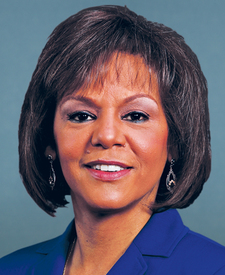
See how Robin L. Kelly actually votes — against your values.
DeepSyte scores Robin L. Kelly's record on the issues you care about — not party, not press releases. Take the 2-minute values quiz to see your personal alignment.
Sign in and take the values quiz to see how Robin L. Kelly's votes line up with your views.
Prediction track record
How often we called Robin L. Kelly's passage votes correctly, from their stated positions on each bill's tagged topics. Excludes “unclear” calls and abstentions.
No paired statements and votes yet for Robin L. Kelly
We haven't yet found statement/vote pairs on the same topic for Robin L. Kelly. This usually means either the rep hasn't taken public positions on bills that have come to a passage vote, or those bills haven't been tagged yet. The checker runs as new press releases and votes come in.
Pro analysis
AI rep analysis — Pro
Get an AI-narrated read on Robin L. Kelly's full voting record against your stated values — aligned themes, conflicts, notable votes, and what to watch for.
We haven't extracted campaign positions for Robin L. Kelly yet. Once their campaign website or position pages are processed, this card will track what they said vs how they voted.
Crossing the aisle
Passage votes where Robin L. Kelly broke ranks with ≥75% of Democrats. Threshold catches substantively partisan splits; unanimous-ish or close votes are excluded.
1
Cross-aisle vote
118-hr-340·Nov 1, 2023·77% of D voted YES
Hamas and Other Palestinian Terrorist Groups International Financing Prevention Act
Rep. Kelly’s bipartisan Action for Dental Health Act passes committee
Position: Rep. Kelly supports reauthorization of federal programs for dental workforce training and community-based oral health initiatives in rural and urban areas, emphasizing access to affordable dental care.
WASHINGTON – Today, the Energy and Commerce Committee unanimously passed U.S. Rep. Robin Kelly’s (IL-02) Action for Dental Health Act. The bill, introduced last March with U.S. Rep. Mike Simpson (ID-02), reauthorizes important programs to continue advancing workforce training and community-based oral health initiatives reaching those in need in rural and urban areas.
“Everyone deserves access to affordable dental healthcare, no matter where they live,” said Rep. Kelly. “Oral health is crucial to overall health, and it also reduces the number of emergency room visits. I’m proud to lead this reauthorization effort for the third time and strongly urge Speaker Johnson to bring this to the House floor.”
The bipartisan Action for Dental Health Act is endorsed by the American Dental Association.
Rep. Kelly condemns FDA approval of flavored e-cigarettes
Position: Rep. Kelly opposes the FDA's authorization of flavored e-cigarettes, arguing the decision prioritizes presidential pressure over public health and disproportionately harms Black communities and youth.
WASHINGTON – U.S. Rep. Robin Kelly (IL-02), Chair of the Congressional Black Caucus (CBC) Health Braintrust, condemned the Food and Drug Administration’s decision to authorize the sale of mango and blueberry flavored Glas e-cigarettes.
“Just days after President Trump complained that flavored e-cigarettes were not approved by the FDA, Commissioner Marty Makary caved. In one sweeping cowardly decision, the FDA sided with the President over the health of Americans, especially Black children. For decades, Black Americans have been targeted by tobacco companies, causing higher rates of heart disease, lung cancer and stroke. We are now seeing history repeat itself as companies like Glas and Juul target our youth with their more appealing—but just as addicting and deadly—flavored e-cigarettes. I refuse to see Black children taken advantage of by vape companies, and I remain committed to protecting the health of the Black community.”
The FDA previously abandoned its plans to ban menthol cigarettes just two years after the agency proposed a rule to remove the harmful product from the market. Rep. Kelly led the majority of the CBC in a letter in support of the rule, expressing her concern of the disproportionate use of menthol cigarettes amongst Black Americans. In 2019, 85% of Black smokers used menthol cigarettes compared to just 30% of white smokers. Flavored e-cigarettes, especially fruit flavors, have driven the increase of use amongst young smokers. Mango was one of the most popular Juul flavors before it was pulled off the market.
Issues:CBC Health Braintrust Health Care
Rep. Kelly votes no on Farm Bill that cuts food security, hurts farmers
Position: Rep. Kelly opposed the Farm Bill because it maintains a $187 billion cut to SNAP benefits and fails to protect farmers from tariffs, though she successfully amended it to include provisions for agricultural satellite connectivity.
WASHINGTON – U.S. Rep. Robin Kelly (IL-02) voted against the Republican Farm Bill that will exacerbate food cost and struggles facing farmers. The bill fails to reverse the $187 billion cut to the Supplemental Nutrition Assistance Program, which was included in the “One Big Beautiful Bill” last summer. Over 42 million Americans, including nearly 2 million Illinoisans, relies on SNAP. The bill passed the House by 224-200.
In an attempt to improve the Farm Bill, Rep. Kelly successfully amended the bill to include her bipartisan Precision Agriculture Satellite Connectivity Act. This bill, introduced in February with U.S. Rep. Bob Latta (OH-05), will help farmers integrate technology in their operations.
“Republicans jammed through a Farm Bill that steals food from the mouths of children, ignores rising grocery costs, and does not protect farmers from President Trump’s tariffs. Congress had a chance to help lower costs for both farmers and Americans alike, but they used this bill to fulfill President Trump’s billionaire-first agenda and side with pesticide companies,” said Rep. Kelly. “While I’m proud to have passed my bill to help over 4,500 farms in the Second District, I could not in good conscience vote for such a harmful Farm Bill. My constituents living in urban, suburban, and rural communities rely on SNAP to put food on the table. Over 90% of farms in my district are family-owned, and they’re struggling under the weight of President Trump’s tariffs. This Farm Bill did not meet farmers’ expectations and needs, and I urge the Senate to improve upon it and truly help our farmers.”
Rep. Kelly, Senator Durbin introduce bicameral bill to increase access to broadband service for Americans
Position: Rep. Kelly and Senator Durbin introduced legislation to increase awareness and enrollment in the FCC's Lifeline program through a competitive grant program, helping low-income households access affordable broadband service.
WASHINGTON – Today, U.S. Rep. Robin Kelly (IL-02) and U.S. Senate Democratic Whip Dick Durbin (D-IL) introduced a bicameral bill that would increase access to broadband service for low-income urban and rural Americans. The Promoting Access to Broadband Act would help states increase awareness and enrollment in the Federal Communications Commission’s (FCC) Lifeline program, which provides a monthly subsidy to help low-income households pay for their broadband and telephone service. Specifically, the legislation would establish a competitive grant program through the FCC that would allow states to inform eligible recipients of the Lifeline program.
“Access to affordable and reliable internet is no longer a luxury but a necessity. Americans rely on broadband connection to complete school assignments, see their medical professionals, and talk to their loved ones, but for many families, the cost of internet access is just too high,” Durbin said. “The Promoting Access to Broadband Act would increase awareness and enrollment in the FCC’s Lifeline program, giving more Americans access to the internet.”
“Families are facing higher costs for gas, groceries, rent, and basic necessities. The Lifeline program can alleviate some of the burden and cover internet costs for families,” said Kelly. “I’m proud to introduce this bill with Senator Durbin to help families cut through the red tape and increase enrollment in the Lifeline program. My district covers urban, suburban, and rural areas, and they all deserve to have access to the internet, which is a necessity in this day and age.”
“The Lifeline program was designed to help low-income people get and remain connected to communications services, yet it remains extremely underutilized, not because eligible households lack interest, but because they are unaware the program exists or face burdens navigating the enrollment process on their own. The Promoting Access to Broadband Act seeks to make a strategic investment in the human infrastructure needed to ensure the nation’s most vulnerable communities are aware of and know how to enroll in the Lifeline program at a time when affordability remains the number one barrier keeping people on the wrong side of the digital divide,” said Alisa Valentine, Broadband Policy Director at Public Knowledge.
Along with Durbin, the Promoting Access to Broadband Act is also cosponsored by U.S. Senators Alex Padilla (D-CA), Richard Blumenthal (D-CT), Ed Markey (D-MA), Amy Klobuchar (D-MN), and Tammy Duckworth (D-IL).
In 2021, the federal government took bold, bipartisan action to invest in our nation’s broadband infrastructure through the Infrastructure Investment and Jobs Act of 2021. Yet, with the expiration of the Affordable Connectivity Program and delays in investment, there is still much progress to be made in connecting families to broadband. According to the National Telecommunications and Information Administration, as many as 25 million Americans lack access to broadband. A 2023 survey from Consumer Reports found that 27 percent of broadband users found it difficult to afford their monthly internet costs.
Further, participation in the Lifeline program remains extremely low nationwide. The Universal Service Administrative Company estimates the number of eligible households participating in Lifeline nationwide is just 22 percent, and only 14 percent in Illinois.
The Promoting Access to Broadband Act would:
Award grants to at least 25 percent of states;
Direct the FCC to consider several factors in evaluating applications, including states with a higher number of covered individuals, states with plans with the potential to reach a higher percentage of eligible-but-not-enrolled households, and geographic diversity;
Allow states to use the funds to inform eligible individuals that are not enrolled, provide information on how to apply for Lifeline, and partner with non-profit and community-based organizations with a proven track record of implementing digital inclusion initiatives to assist individuals applying for Lifeline; and
Require the FCC to issue a report to Congress within a year of establishing the grant program evaluating the grant’s effectiveness.
To be eligible for these programs, an individual must have an income at or below 135 percent of the federal poverty guidelines for the Lifeline program. Enrollees also are eligible if they qualify for a needs-based program, such as Medicaid or SNAP, or receive Supplemental Security Income, federal public housing assistance, or Veterans Pension and Survivors Benefits.
The bill has earned endorsements from National Digital Inclusion Alliance, Public Knowledge, Third Way, and ACLU.
Full text of the bill is available here.
Issues:Technology and Telecommunications
Rep. Kelly confronts Secretary RFK Jr. about Medicaid cuts, Black maternal health at Congressional hearing
Position: Rep. Kelly opposes the Medicaid cuts in the Big Ugly Law and criticizes the elimination of maternal health programs, arguing that these cuts disproportionately harm minority women, women's health, LGBTQ+ health, and preventative medicine access.
WASHINGTON – U.S. Rep. Robin Kelly (IL-02) forcefully pressed Health Secretary Robert F. Kennedy Jr. regarding budget cuts to Medicaid at today’s Energy and Commerce Health Subcommittee hearing. Secretary Kennedy refused to recognize the $900 billion cut to Medicaid in the Big Ugly Law, doubling down on his statement that “there are no cuts to Medicaid.”
Rep. Kelly slammed his response as absurd.
“The American people are not falling for what you’re saying,” Rep. Kelly lectured Secretary Kennedy. “Your attacks on minority health, women’s health, LGBTQ+ health, and basic preventative medicine through illegal funding freezes and mass firing will lead to decades of consequences for all Americans. You have failed at your job and failed the American people.”
Secretary Kennedy claimed the country’s maternal mortality rate was improving.
Rep. Kelly quickly corrected him and stated Black women are still three times more likely to die due to pregnancy-related causes than white women. Secretary Kenned eliminated critical maternal health programs, like the Centers of Disease Control’s Safe Motherhood Initiative.
“You don’t have to show me the data,” said Rep. Kelly. “I’m the one who brought the issue [of maternal mortality] to Congress.”
Since President Donald Trump signed the largest healthcare cut into law last July, healthcare systems are already dealing with the consequences. In Elk Grove, Illinois, a 28-bed obstetrics unit closed earlier this year, forcing pregnant and postpartum women to drive further to seek care, change providers, and face longer wait times.
Rep. Kelly gathers health leaders during Black Maternal Health Week to push close health disparities
Position: Rep. Kelly and colleagues advocate for continued action to address Black maternal health disparities, including passage of the WELLS Act and other maternal health legislation, while opposing what they characterize as attacks on healthcare access.
WASHINGTON – U.S. Rep. Robin Kelly (IL-02) called for continued action to improve Black maternal health instead of the Trump administration’s attacks against healthcare with health advocates and U.S. Reps. Yvette Clarke (NY-11), Rashida Tlaib (MI-12), and Jennifer McClellan (VA-04). Black Maternal Health Week, from April 11 to 17, marks a time to raise awareness to the fact that Black women face higher risks of maternal death, stillbirths, preterm births and pregnancy-related complications.
“I brought the issue of maternal mortality to Congress nearly a decade ago because nobody was doing anything to save the lives of Black women,” said Rep. Kelly, Chair of the Congressional Black Caucus Health Braintrust and Co-Chair of the Bipartisan Maternity Care Caucus. “We’ve made some progress, but so much more work needs to be done to confront the systematic racism in our healthcare system. I will continue to echo the voices of Black women in Congress until we receive the care we need and deserve before, during, and after pregnancy.”
U.S. Rep. Robin Kelly (IL-02) introduced the first-ever comprehensive legislative package addressing maternal health after Charles Johnson’s wife, Kira, died after a routine C-section. Pieces of her MOMMA’s Act, now called CARE for Moms Act, has passed into law, including the extension of Medicaid postpartum care from 60 days to a full year. Illinois was the first of 48 states to adopt this policy, ensuring health coverage for postpartum women. Her most recent maternal health bill, the WELLS Act, was introduced after her constituent Mercedes Wells was discharged from a hospital while in active labor.
“Ten years ago, I lost my wife, Kira, to a preventable childbirth complication—and that pain became a purpose to fight for every mother’s right to survive and thrive,” said Johnson, founder of 4Kira4Moms. “During Black Maternal Health Week, I’m honored to stand with Robin Kelly to advance the WELLS Act—because no woman should ever be dismissed, unheard, or sent home while in crisis. This legislation is about accountability, dignity, and ensuring that no family has to endure the loss that mine did.”
“I thank Rep. Robin Kelly for convening us during Black Maternal Health Week and standing with those fighting to protect Black mothers and families. The state of Black maternal health in America is a moral and equitable crisis, with Black women still three times more likely to die from pregnancy-related causes, too many of them preventable. We must honor the memory of Kira Johnson and others whose stories demand action,” said Rep. Clarke, Chair of the CBC. “While progress like extended postpartum coverage matters, we must do more to expand equitable care and confront dangerous attacks on healthcare that threaten to take us backward. The Congressional Black Caucus remains committed to advancing policies that protect access, center equity, and ensure Black mothers can thrive.”
“As Chair of the Congressional Mamas’ Caucus, I know the Black maternal health crisis impacts so many mothers and families in Detroit and Southeast Michigan. Black women are three times more likely to die from pregnancy-related causes due to racial bias in medicine and a health care system that has failed them for far too long,” said Rep. Tlaib. “We must act with urgency at the federal level by investing in community-based care, protecting and expanding Medicaid, supporting doulas and midwives, and passing legislation like the CARE for Moms Act. Black mothers deserve to live, to be heard, and to receive equitable, comprehensive care.”
“Eleven years ago this month, I almost became the statistic of a Black woman who was three times more likely to die from a childbirth-related death when nine weeks before my due date, my placenta ruptured. My daughter and I were one of the lucky ones. But too many mothers and infants are not so lucky,” said Rep. McClellan, Chair of Abortion Rights and Access Task Force in the Reproductive Freedom Caucus. “We face a complex road ahead as we seek to protect Black women and families against this loss. On the 10th annual Black Maternal Health Week, we want this to be the last one where we say a Black woman is more than three times as likely to die in childbirth. And we will not rest until we reach that moment.”
In addition to Johnson with 4Kira4Moms, five more leading health advocates stood with Rep. Kelly to demand better health outcomes for Black mothers.
"The Association of Maternal & Child Health Programs (AMCHP) is proud to partner with the many Congressional champions and key partners today in honor of Black Maternal Health Week," said Nikeisha Olgetree, Chief Operating Officer of AMCHP. "According to the Centers for Disease Control and Prevention, approximately 700 pregnancy-related deaths occur in the U.S. each year, and 87% of these deaths are preventable. As leaders in maternal and child health, we know that there is not a singular policy solution that will solve the crisis of maternal mortality and morbidity overnight, but with collective action to ensure maternal and child health programs get sustained, increased investments, we'll better be able to best serve the nation’s mothers, children, and families now and into the future."
“Black maternal health is not only about whether a mother survives childbirth,” said Kay Matthews, Executive Director of Shades of Blue Project. “It is also about whether she is heard, believed, and supported through grief, trauma, and the full postpartum journey. Mental health care must be treated as essential maternal health care.”
“I am honored to be here today during the 10th anniversary of Black Maternal Health Week to call attention to the fact that despite having made gains in combatting maternal mortality overall, racial disparities in maternal health outcomes persist,” said Dr. Anita Mikkilineni, an obstetrician-gynecologist with the American College of Obstetricians and Gynecologists. “This is unacceptable and we must double down and keep working for progress. I look forward to continuing ACOG’s partnership with Congresswoman Kelly and other maternal health champions to advance legislation to improve Black maternal health.”
"Black maternal health is not a talking point. It is a public health crisis,” said Joy Calloway, President and CEO of the Black Women’s Health Imperative. “At the Black Women's Health Imperative, we seek to curate and advance solutions that will work for Black women and girls. We are proud to stand with Congresswoman Kelly- once again - in pursuing policy changes like the CARE for Moms Act and the WELLS Act that will move us closer to the maternal health outcomes Black women have always deserved."
Issues:CBC Health Braintrust Health CareProgress for Women
Rep. Kelly votes yes on War Powers Resolution, condemns President Trump’s ongoing, costly war
Position: Rep. Kelly voted to invoke the War Powers Resolution to end U.S. military action against Iran initiated by President Trump, arguing the war lacks clear strategy, objectives, or exit plan and diverts resources from domestic economic challenges.
WASHINGTON – U.S. Rep. Robin Kelly (IL-02) voted for the War Powers Resolution to stop President Donald Trump’s war against Iran. House Republicans defeated this measure to rein in the President by213-214.
“President Trump entered a war against Iran with no strategy, no exit plan and no clear objectives. Now, he’s scrambling to justify his war of choice—even lashing out at the Pope—because he knows a vast majority of Americans disapprove,” said Rep. Kelly. “This war has already cost the U.S. an estimated $40 billion during a time when hardworking Americans face $4 per gallon for gas, three-year high inflation rates, and a possible global recession. Instead of defending the American people, Republicans in Congress surrendered our Constitutional war powers to an unhinged President.”
Rep. Kelly condemns House Republicans’ 60-day DHS funding bill
Position: Rep. Kelly opposes the Republican 60-day DHS funding bill, arguing it prolongs the shutdown and provides excessive funding to ICE and CBP without adequate oversight or restrictions on enforcement activities. She advocates for the Democratic alternative that prioritizes worker pay and constrains immigration enforcement agencies.
WASHINGTON – U.S. Rep. Robin Kelly (IL-02) condemned the Republican-passed stopgap bill that will fund the Department of Homeland Security at current levels for 60 days. The bill also funds U.S. Immigration and Customs Enforcement and Customs and Border Protection. The 60-day continuing resolution is not expected to pass in the U.S. Senate, which unanimously passed a different DHS funding bill yesterday.
“Speaker Johnson and House Republicans would rather pass a 60-day band-aid—which is dead on arrival in the Senate—and prolong this DHS shutdown as TSA workers go unpaid for over 40 days,” said Rep. Kelly. “They want to give more money to the Gestapo agents who have terrorized our communities, killed US citizens, and torn apart families. That’s simply not right. Democrats have a solution on the table right now: pay TSA and FEMA workers, end the chaos at airports, and rein in ICE and CBP.”
Position: Rep. Kelly opposes DHS funding that includes ICE and CBP, and supports a funding bill that would exclude those agencies. She also opposes attaching voter suppression measures to DHS funding.
WASHINGTON – U.S. Rep. Robin Kelly (IL-02) released the following statement after voting against a bill that does not rein in U.S. Immigration and Customs Enforcement or Customs and Border Protection:
“For the third time, Speaker Johnson has prolonged a Department of Homeland Security shutdown instead of meeting with Democrats to pass a funding bill that would pay TSA and FEMA. President Trump has doubled down on his demands to attach a voter suppression bill to DHS funding in an obvious attempt to cheat our election system. He’s sent paid ICE agents to loiter at airports, while unpaid TSA workers handle hours-long security lines. These are not the actions of a President who cares for the people, but rather the actions of a man desperate to cling to power. I will not give another dime to ICE or CBP that terrorize our communities. I refuse to submit to Republicans who bend the knee to this President.”
Rep. Kelly signed the discharge petition to force a vote on a bill that would fund DHS, except for ICE and CBP, introduced by U.S. Rep. Rosa DeLauro (CT-03).
Rep. Kelly reintroduces bipartisan legislation to improve access to healthy, nutritious food
Position: Rep. Kelly supports legislation to expand Food is Medicine programs through federal grants, which provide produce prescriptions, culinary education, and medically tailored meals to address diet-related diseases and food insecurity.
WASHINGTON – Today, U.S. Reps. Robin Kelly (IL-02) and Jen Kiggans (VA-02) introduced a bipartisan bill to support Food is Medicine programs, which improve health outcomes through nutrition while lowering healthcare costs.
The Fueling Optimal Outcomes through Diet (FOOD) for Health Act helps alleviate diet-related diseases through produce prescriptions, on-site food pantries, culinary education, and medically tailored meals. Americans spend nearly $1.1 trillion every year to treat diet-related diseases like type 2 diabetes, high blood pressure, certain cancers, and cardiovascular disease. Food insecurity and food deserts contribute to the cause of these diseases by forcing low-income families to rely on cheap, but often less nutritious, foods.
“Many of my constituents in urban, suburban, and rural areas live closer to a fast-food restaurant than a grocery store. They don’t have access to nutritious food that best fuel our bodies and minds,” said Rep. Kelly. “I’m confronting these challenges and expanding access to nutrition through Food is Medicine programs. The best medicine is preventative medicine – and that includes food.”
“Prioritizing proper nutrition and expanding access to healthy foods is critical to addressing our nation’s obesity epidemic and growing prevalence of chronic illness. As a nurse practitioner, I understand the vital role that Food is Medicine programs play in improving health outcomes,” said Rep. Kiggans. “The FOOD for Health Act confronts this issue head-on by increasing access to these programs while enhancing on-site food pantries and promoting education on proper nutrition. I’m proud to join Rep. Kelly on these efforts to strengthen preventative care, improve public health, and ensure more Americans have access to the nutritious foods they need to live healthier lives.”
The FOOD for Health Act directs the Secretary of Agriculture and the Secretary of Health and Human Services to provide grants to Food is Medicine programs that prioritize local foods and regional diversity. The bill would authorize $20 million through fiscal year 2031 and require an initial report to Congress analyzing the efficiency and impact on patient outcomes and system costs.
The FOOD for Health Act is endorsed by Dion’s Chicago Dream and Cosmic Crate, Greater Chicago Food Depository, Academy of Nutrition and Dietetics, Think Regeneration, Feeding America, and FoodSmart.
“For too long, our healthcare system has treated diet-related disease as inevitable instead of preventable. Food is not just sustenance; it is one of the most powerful tools we have to improve health outcomes, reduce healthcare costs, and restore dignity to families navigating chronic illness,” said Dion Dawson, Chief Dream and CEO of Dion’s Chicago Dream and Cosmic Crate. “Congresswoman Robin Kelly’s FOOD for Health Act recognizes what communities and practitioners across the country already know: when fresh, nutritious food is integrated into care, lives change. Through our work delivering millions of pounds of fresh produce directly to households, we’ve seen firsthand that access to healthy food can stabilize health, strengthen families, and transform entire communities. This legislation is an important step toward making Food is Medicine a permanent and scalable part of our healthcare system.”
"For the neighbors we serve in Chicago and suburban Cook County, food is not purely sustenance; food is medicine," said Kate Maehr, Executive Director and CEO of the Greater Chicago Food Depository. "Many of those we serve are experiencing the stress of food insecurity at the same time as having to manage a chronic condition such as diabetes, hypertension, or obesity. We know that having reliable and consistent access to healthy food improves health outcomes. We applaud Congresswoman Robin Kelly for her leadership on the FOOD for Health Act, which will support Food is Medicine programs and ensure food banks and other community-based partners have an opportunity to participate."
“The Academy of Nutrition and Dietetics applauds the FOOD for Health Act for advancing the integration of nutrition into health care and expanding access to nutritious food alongside qualified nutrition expertise,” said Deanne Brandstetter, President of the Academy of Nutrition and Dietetics. “Registered dietitian nutritionists experience every day the impact food and nutrition have in preventing and managing a wide range of chronic and acute conditions as they deliver evidence-based nutrition care and medical nutrition therapy within interprofessional care teams. This legislation strengthens partnerships between health care providers and community organizations, improving patient outcomes and helping reduce long-term health care costs.”
“We can reverse chronic disease in this country and scale regenerative farming at the same time,” said Ryan Slabaugh at Think Regeneration. “Our food-is-medicine pilot project in 2025-2026 in Pembroke Township gave us proof: connecting community members with Type II diabetes to local food hubs and organic farms changed lives for the better for everyone involved—including the farmers. Congressional support to expand these pilot programs are exactly what we need.”
“With every year that passes, hundreds of billions in healthcare costs and countless avoidable deaths result from chronic conditions related to poor nutrition,” said Dr. Jason Langheier, Chief Science Officer & Founder of Foodsmart. “The connection between a proper diet and vastly improved health outcomes is indisputable based on the scientific evidence, and everyone in America should have access to a primary care dietitian who is empowered to tailor a personalized ‘foodcare’ strategy on behalf of their patients. Congresswoman Kelly's FOOD for Health Act is a key step towards helping seniors with any disease to receive the ‘foodcare’ they need, ensuring that key agencies gather the data that they need to make these interventions available more broadly.”
Read the full text of the FOOD for Health Act here.
Source: GDELT 2.0 GKG, filtered to a curated list of national outlets. Inclusion is not endorsement; opinion pieces and reported news are mixed.
Recent stock activity
Periodic transaction reports filed under the STOCK Act — disclosed by the rep, sourced from public filings.
No disclosed trades on record.
Source: open-data mirrors of the Senate eFD and House Clerk financial-disclosure systems. Disclosure within 30 days of trade is required by law (45 for spouse/dependent trades).
Top PAC donors · 2026 cycle
Political action committees that gave the most to this rep's principal campaign committee this cycle. PAC giving is direct organizational support — industry, ideological, or leadership.
1.UA POLITICAL EDUCATION COMMITTEELabor7 contributionsTrade-union PAC for the United Association of plumbers, pipefitters, and HVAC workers — backs prevailing-wage protections, infrastructure funding, and project labor agreements.AI$35,000
2.MACHINISTS NON PARTISAN POLITICAL LEAGUE OF THE INTERNATIONAL ASSOCIATION OF MACHINISTSLabor5 contributionsTrade-union PAC of the International Association of Machinists and Aerospace Workers — backs candidates supporting union organizing, prevailing wages, and aerospace and manufacturing industry jobs.AI$25,000
3.SHEET METAL WORKERS' INTERNATIONAL ASSOCIATION POLITICAL ACTION LEAGUELabor5 contributionsTrade-union PAC for sheet metal workers — backs candidates supporting prevailing-wage standards, apprenticeship programs, and union-friendly labor policies.AI$25,000
4.AMERICAN CRYSTAL SUGAR COMPANY POLITICAL ACTION COMMITTEEAgriculture4 contributionsAgricultural processing PAC for American Crystal Sugar — backs candidates supporting farm subsidies, sugar price supports, and agricultural trade policies.AI$20,000
5.INTERNATIONAL UNION OF BRICKLAYERS & ALLIED CRAFTWORKERSLabor4 contributionsTrade-union PAC for bricklayers and allied construction workers — backs prevailing-wage protections, federal infrastructure funding, and project labor agreements.AI$20,000
6.CARPENTERS' LEGISLATIVE IMPROVEMENT COMMITTEELabor4 contributionsTrade-union PAC for the United Brotherhood of Carpenters — backs prevailing-wage protections, infrastructure funding, and project labor agreements.AI$20,000
7.LOCAL 881 UNITED FOOD AND COMMERCIAL WORKERS POLITICAL ACTION FUND4 contributions$20,000
8.LABORERS' INTERNATIONAL UNION OF NORTH AMERICA (LIUNA) PACLabor3 contributionsTrade-union PAC for construction laborers — backs prevailing-wage standards, infrastructure investment, apprenticeship programs, and project labor agreements.AI$15,000
9.DEERE & COMPANY PAC (AKA JOHN DEERE PAC)Agriculture3 contributionsAgricultural equipment manufacturer PAC — supports candidates backing farm equipment access, rural infrastructure, and agricultural trade policies.AI$15,000
10.I.U.O.E. LOCAL 150 FEDERAL POLITICAL ACTION COMMITTEELabor3 contributionsTrade-union PAC for International Union of Operating Engineers Local 150 — backs candidates supporting prevailing-wage standards, infrastructure investment, and union-friendly labor policies.AI$15,000
Source: OpenFEC (api.open.fec.gov) Schedule A receipts where contributor type is “committee.” Aggregated by contributing committee. Self-transfers from joint-fundraising / victory committees are excluded.
Top individual contributors · 2026 cycle
Itemized individual contributions over $200 to this rep's campaign committee, aggregated by donor employer. PAC giving is shown above; this section is people, not organizations.
1.NEWSWEB CORP$7,000
2.IRELL & MANELLA LLP$7,000
3.ARIEL INVESTMENTS$7,000
4.SMITH LACIEN LLP$7,000
5.SUPREME SOLUTIONS$5,500
6.MESIROW FINANCIAL$4,018
7.COOK COUNTY ASSESSOR'S OFFICE$3,500
8.CLEVELAND AVENUE$3,500
9.SUTTON FORD$2,500
10.PROJECT UNLOADED$2,500
Source: OpenFEC Schedule A receipts where contributor type is “individual,” aggregated by the donor's self-reported employer. This is a geographic / industry correlation, not a corporate endorsement.