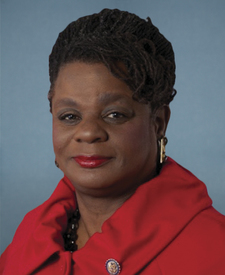
See how Gwen Moore actually votes — against your values.
DeepSyte scores Gwen Moore's record on the issues you care about — not party, not press releases. Take the 2-minute values quiz to see your personal alignment.
Sign in and take the values quiz to see how Gwen Moore's votes line up with your views.
Prediction track record
How often we called Gwen Moore's passage votes correctly, from their stated positions on each bill's tagged topics. Excludes “unclear” calls and abstentions.
22 predictions on record · none have been resolved by a passage vote yet. Check back as bills move.
Pending vote119-hjres-152
Proposing an amendment to the Constitution of the United States to ensure that only citizens are eligible to vote in Federal elections.
To prohibit the disclosure of records by the Secretary of Housing and Urban Development of individuals for the purposes of immigration enforcement, and for other purposes.
Based on 29 data points across public statements and recorded votes · AI analysis of public records
118-hr-5717·Consistent
No Bailout for Sanctuary Cities Act
92/100
What they said
Apr 2, 2026
Congresswoman Moore opposes ICE detention practices she characterizes as discriminatory and politically motivated, and states her opposition to DHS funding that enables such enforcement actions.
Congresswoman Moore's statement explicitly opposes DHS funding that enables ICE enforcement actions she characterizes as discriminatory and politically motivated. The bill conditions federal funding on cooperation with ICE detainers and information-sharing about immigration status. Moore's no vote on passage is consistent with her stated opposition to funding mechanisms that support ICE operations; voting against the bill aligns with her position that such funding should not be provided.
Department of Homeland Security Appropriations Act, 2025
92/100
What they said
Apr 2, 2026
Congresswoman Moore opposes ICE detention practices she characterizes as discriminatory and politically motivated, and states her opposition to DHS funding that enables such enforcement actions.
Congresswoman Moore's statement explicitly opposes DHS funding that enables ICE enforcement actions she characterizes as discriminatory and politically motivated. Her no vote on the FY2025 DHS Appropriations Act, which provides funding for ICE operations, is directly consistent with this stated opposition. The vote aligns with her declared commitment to keep opposing such funding.
Congresswoman Moore opposes ICE detention practices she characterizes as discriminatory and politically motivated, and states her opposition to DHS funding that enables such enforcement actions.
Congresswoman Moore's statement opposes DHS funding that enables discriminatory ICE enforcement and detention practices. Her no vote on the Laken Riley Act, which mandates DHS detention of non-U.S. nationals arrested for certain crimes, is directionally consistent with her stated opposition to funding mechanisms that expand ICE detention authority. The bill expands mandatory detention requirements, which aligns with the enforcement practices she criticizes in her statement.
Department of Homeland Security Appropriations Act, 2024
88/100
What they said
Apr 2, 2026
Congresswoman Moore opposes ICE detention practices she characterizes as discriminatory and politically motivated, and states her opposition to DHS funding that enables such enforcement actions.
Congresswoman Moore's statement explicitly opposes DHS funding that enables ICE enforcement actions she characterizes as discriminatory and politically motivated. Her NO vote on the DHS Appropriations Act, which funds ICE operations, is directly consistent with that stated position. The bill provides appropriations specifically for U.S. Immigration and Customs Enforcement, the agency she names as the target of her opposition.
Department of Homeland Security Appropriations Act, 2025
88/100
What they said
Mar 5, 2026
Congresswoman Moore opposes blank funding for the Department of Homeland Security without accompanying reforms to address alleged abuses by ICE and other DHS agencies. She calls for bipartisan cooperation to advance legislation that includes meaningful DHS reforms.
Congresswoman Moore's statement explicitly opposes funding DHS without accompanying reforms to address alleged abuses by ICE and other agencies. Her no vote on the DHS appropriations bill is consistent with this position—she voted against the bill because it provided funding without the reforms she demanded. The statement indicates she wanted Republicans to work with Democrats on meaningful DHS reforms as a condition of support, and her vote reflects rejection of a bill that did not include such reforms.
Congresswoman Moore opposes ICE detention practices she characterizes as discriminatory and politically motivated, and states her opposition to DHS funding that enables such enforcement actions.
Congresswoman Moore's statement opposes DHS funding that enables discriminatory immigration enforcement and detention practices. The Secure the Border Act expands border security infrastructure and enforcement capabilities through DHS. Her NO vote on passage is consistent with her stated opposition to funding mechanisms that support DHS enforcement actions she characterizes as discriminatory. The bill does not directly address ICE detention practices or the specific case of Salah Sarsour, but it does expand DHS enforcement authority and resources, which aligns with her stated intent to oppose DHS funding for such purposes.
Transnational Criminal Organization Illicit Spotter Prevention and Elimination Act
85/100
What they said
Apr 2, 2026
Congresswoman Moore opposes ICE detention practices she characterizes as discriminatory and politically motivated, and states her opposition to DHS funding that enables such enforcement actions.
Congresswoman Moore's statement opposes DHS/ICE enforcement practices she characterizes as discriminatory and politically motivated, and explicitly states opposition to funding that enables such enforcement. The bill criminalizes conduct that interferes with border control enforcement and enhances penalties for immigration-related violations. A NO vote on a bill that strengthens immigration enforcement tools is directionally consistent with her stated opposition to funding mechanisms that enable ICE operations. The statement and vote align on the broad question of whether to expand federal immigration enforcement capacity.
Continuing Appropriations and Border Security Enhancement Act, 2024
85/100
What they said
Mar 5, 2026
Congresswoman Moore opposes blank funding for the Department of Homeland Security without accompanying reforms to address alleged abuses by ICE and other DHS agencies. She calls for bipartisan cooperation to advance legislation that includes meaningful DHS reforms.
Congresswoman Moore's statement opposes funding DHS without accompanying reforms to address alleged abuses by ICE and other agencies. The bill is a continuing resolution that funds DHS and other agencies while including provisions that restrict how DHS can use funds related to immigration, but does not include the comprehensive DHS reforms Moore calls for. Her NO vote on passage is consistent with her stated position that she cannot support legislation providing DHS funding without meaningful reforms attached.
Department of Homeland Security Appropriations Act, 2024
85/100
What they said
Mar 5, 2026
Congresswoman Moore opposes blank funding for the Department of Homeland Security without accompanying reforms to address alleged abuses by ICE and other DHS agencies. She calls for bipartisan cooperation to advance legislation that includes meaningful DHS reforms.
Congresswoman Moore's statement explicitly opposes funding DHS without accompanying reforms to address alleged abuses by ICE and other agencies. Her no vote on the DHS appropriations bill is consistent with this position—she voted against the bill because it provided funding without the reforms she demanded. The statement indicates she wanted Republicans to work with Democrats on meaningful DHS reforms as a condition of support, and her vote reflects rejection of a bill that did not include such reforms.
Congresswoman Moore opposes blank funding for the Department of Homeland Security without accompanying reforms to address alleged abuses by ICE and other DHS agencies. She calls for bipartisan cooperation to advance legislation that includes meaningful DHS reforms.
Rep. Moore's statement opposes DHS funding without accompanying reforms to address alleged abuses by ICE and other agencies. The Laken Riley Act expands DHS detention authority and creates new state litigation rights against the federal government on immigration enforcement—provisions that would likely be viewed as strengthening enforcement rather than addressing the abuses Moore cited. Her NO vote on passage is consistent with her stated position that legislation should include meaningful DHS reforms, not expanded enforcement mechanisms without reform safeguards.
Congresswoman Moore opposes blank funding for the Department of Homeland Security without accompanying reforms to address alleged abuses by ICE and other DHS agencies. She calls for bipartisan cooperation to advance legislation that includes meaningful DHS reforms.
Congresswoman Moore opposed an amendment to the Stop Illegal Reentry Act, which increases criminal penalties for illegal entry and reentry. Her statement opposes 'blank funding' for DHS without reforms and criticizes ICE abuses, framing her position as protecting against agency overreach rather than opposing immigration enforcement per se. The amendment vote is procedurally distinct from a passage vote on the underlying bill, and her stated concern centers on DHS reform and preventing abuses rather than on criminal penalties for illegal entry. A 'no' vote on this amendment is directionally consistent with her call for reform-conditioned support, though the procedural nature and the amendment's specific focus on criminal penalties (rather than funding or reform mechanisms) introduce some ambiguity about her full position on the bill itself.
Congresswoman Moore opposes ICE detention practices she characterizes as discriminatory and politically motivated, and states her opposition to DHS funding that enables such enforcement actions.
Congresswoman Moore's statement opposes DHS funding that enables discriminatory immigration enforcement and detention practices. Her no vote on the Agent Raul Gonzalez Officer Safety Act, which creates new criminal offenses and deportation consequences related to border enforcement, aligns with her stated opposition to funding mechanisms that expand immigration enforcement capacity. However, the bill's specific focus on fleeing from law enforcement near the border is narrower than her broader critique of discriminatory detention practices, creating some directional alignment but not perfect overlap on the exact enforcement mechanism.
Congresswoman Moore opposes ICE detention practices she characterizes as discriminatory and politically motivated, and states her opposition to DHS funding that enables such enforcement actions.
Congresswoman Moore's statement opposes ICE detention practices she characterizes as discriminatory and politically motivated, and explicitly states opposition to DHS funding that enables such enforcement. The bill restricts immigration benefits and admissions for individuals connected to Hamas, Palestinian Islamic Jihad, or the October 7 attacks—a targeted immigration enforcement measure. Her YES vote on a bill that expands immigration restrictions and bars appears directly inconsistent with her stated opposition to discriminatory immigration enforcement and her pledge to oppose DHS funding for such actions. The specific policy question—whether to restrict immigration benefits and admissions based on alleged terrorism connections—directly contradicts her stated position against discriminatory enforcement.
Department of Homeland Security Appropriations Act, 2024
25/100
What they said
Apr 2, 2026
Congresswoman Moore opposes ICE detention practices she characterizes as discriminatory and politically motivated, and states her opposition to DHS funding that enables such enforcement actions.
Congresswoman Moore's statement explicitly opposes DHS funding that enables ICE enforcement actions she characterizes as discriminatory and politically motivated. However, she voted yes on a procedural motion for the DHS Appropriations Act, which provides funding for ICE operations. While procedural votes can reflect various legislative considerations beyond substantive support, her stated position directly calls for opposing DHS funding mechanisms that support ICE, making a yes vote on DHS appropriations procedurally inconsistent with that stated opposition.
Congresswoman Moore opposes ICE detention practices she characterizes as discriminatory and politically motivated, and states her opposition to DHS funding that enables such enforcement actions.
Congresswoman Moore's statement opposes DHS funding that enables discriminatory ICE enforcement and detention practices. However, she voted yes on a procedural motion for the Schools Not Shelters Act, which restricts use of school facilities to house undocumented immigrants. While the bill does not directly fund ICE, it facilitates immigration enforcement by limiting shelter options for non-citizens, which aligns with restrictive immigration enforcement rather than her stated opposition to such practices. The procedural nature of the vote and the indirect relationship to her stated concerns create some ambiguity about her intent.
Congresswoman Moore opposes ICE detention practices she characterizes as discriminatory and politically motivated, and states her opposition to DHS funding that enables such enforcement actions.
Congresswoman Moore's statement opposes DHS funding that enables discriminatory ICE enforcement and detention practices. Her NO vote on the POLICE Act, which expands deportability grounds and strengthens DHS enforcement authority, aligns with her stated opposition to funding mechanisms that facilitate such enforcement. However, the bill's specific focus—making assault of law enforcement a deportable offense—is narrower than her broader critique of discriminatory detention practices, creating some granularity mismatch between the statement's general opposition to ICE enforcement and the bill's particular provision.
Detain and Deport Illegal Aliens Who Assault Cops Act
75/100
What they said
Apr 2, 2026
Congresswoman Moore opposes ICE detention practices she characterizes as discriminatory and politically motivated, and states her opposition to DHS funding that enables such enforcement actions.
Congresswoman Moore's statement opposes DHS funding that enables discriminatory ICE enforcement and detention practices. Her NO vote on a bill that mandates DHS custody and detention of non-U.S. nationals for assault charges is directionally consistent with her stated opposition to DHS detention funding and enforcement actions. However, the bill's specific focus—mandatory detention for those arrested for assaulting law enforcement—addresses a narrower question than her broader critique of discriminatory and politically motivated detention practices. The bill does not directly implicate the discriminatory targeting she describes, making the alignment general rather than precise.
Congresswoman Moore opposes ICE detention practices she characterizes as discriminatory and politically motivated, and states her opposition to DHS funding that enables such enforcement actions.
The statement opposes DHS/ICE enforcement funding and characterizes immigration enforcement as discriminatory and politically motivated. The bill increases criminal penalties for illegal entry and reentry. Moore's NO vote on this amendment aligns with her stated opposition to expansive immigration enforcement, though the amendment vote is procedural and does not directly address DHS funding mechanisms. The statement and bill address related but distinct aspects of immigration enforcement policy.
Congresswoman Moore opposes ICE detention practices she characterizes as discriminatory and politically motivated, and states her opposition to DHS funding that enables such enforcement actions.
The statement opposes DHS funding that enables discriminatory ICE enforcement and detention practices. The bill creates deportation grounds for Social Security and ID document fraud. While both touch immigration enforcement, they address different specific questions: the statement targets discriminatory detention practices and calls for defunding enforcement broadly, while the bill establishes specific fraud-based deportation grounds. Moore's NO vote aligns with her stated opposition to expanding immigration enforcement mechanisms, though the bill does not directly address the discriminatory targeting or detention practices she emphasizes.
Congresswoman Moore opposes ICE detention practices she characterizes as discriminatory and politically motivated, and states her opposition to DHS funding that enables such enforcement actions.
The statement opposes ICE detention practices and DHS funding that enables immigration enforcement. The bill prohibits schools from sheltering undocumented immigrants. Rep. Moore's NO vote aligns with her stated opposition to restrictive immigration enforcement — voting against a bill that would limit shelter access for non-citizens is consistent with her position that ICE enforcement is discriminatory and should be constrained. However, the bill addresses a specific mechanism (school facility use) rather than ICE detention practices or DHS funding broadly, creating some granularity mismatch between the statement's focus and the bill's specific provision.
Continuing Appropriations and Border Security Enhancement Act, 2024
75/100
What they said
Apr 2, 2026
Congresswoman Moore opposes ICE detention practices she characterizes as discriminatory and politically motivated, and states her opposition to DHS funding that enables such enforcement actions.
Congresswoman Moore's statement opposes DHS funding that enables discriminatory ICE enforcement actions. The bill is a continuing resolution that funds DHS and includes provisions prohibiting DHS from using funds for certain immigration-related purposes, but also imposes new limits on asylum eligibility. Moore's NO vote aligns with her stated opposition to funding mechanisms that enable ICE detention practices, though the bill's mixed provisions (some restrictive on DHS use of funds, others tightening asylum rules) create some ambiguity about whether her vote reflects opposition to the asylum restrictions, the overall DHS funding level, or both.
Congresswoman Moore opposes blank funding for the Department of Homeland Security without accompanying reforms to address alleged abuses by ICE and other DHS agencies. She calls for bipartisan cooperation to advance legislation that includes meaningful DHS reforms.
Congresswoman Moore's statement opposes blank DHS funding without meaningful reforms to address alleged abuses by ICE and other agencies. The bill addresses immigration penalties related to Hamas and Palestinian organizations, not DHS reform or ICE abuse oversight. Moore voted yes on a bill that restricts immigration benefits for certain groups but does not advance the DHS reforms she explicitly called for in her statement. The vote appears inconsistent with her stated position that legislation must include meaningful DHS reforms as a condition of support.
Congresswoman Moore opposes blank funding for the Department of Homeland Security without accompanying reforms to address alleged abuses by ICE and other DHS agencies. She calls for bipartisan cooperation to advance legislation that includes meaningful DHS reforms.
Rep. Moore's statement opposes blank DHS funding without accompanying reforms to address alleged abuses by ICE and other agencies. The Secure the Border Act focuses on border security infrastructure (wall construction, technology) and asylum/employment verification—not DHS reform or accountability measures. Moore's NO vote is consistent with her stated position that legislation should include meaningful DHS reforms; the bill as summarized does not address the reform agenda she calls for, making her opposition to passage consistent with her demand for reform-inclusive legislation.
Detain and Deport Illegal Aliens Who Assault Cops Act
75/100
What they said
Mar 5, 2026
Congresswoman Moore opposes blank funding for the Department of Homeland Security without accompanying reforms to address alleged abuses by ICE and other DHS agencies. She calls for bipartisan cooperation to advance legislation that includes meaningful DHS reforms.
Rep. Moore's statement opposes DHS funding without accompanying reforms to address alleged abuses by ICE and other agencies. The bill mandates DHS detention and deportation of non-citizens arrested for assaulting law enforcement—a law-and-order immigration enforcement measure that does not include the reforms Moore called for. Her NO vote aligns with her stated opposition to DHS legislation that lacks meaningful reform provisions; however, the bill addresses a narrower enforcement question (assault on first responders) rather than the broader ICE abuse concerns she emphasized. The consistency is directional but not on an identical specific question.
Transnational Criminal Organization Illicit Spotter Prevention and Elimination Act
75/100
What they said
Mar 5, 2026
Congresswoman Moore opposes blank funding for the Department of Homeland Security without accompanying reforms to address alleged abuses by ICE and other DHS agencies. She calls for bipartisan cooperation to advance legislation that includes meaningful DHS reforms.
Moore's statement opposes DHS funding without accompanying reforms and calls for meaningful DHS oversight. The bill addresses border enforcement and immigration-related crimes but does not include the DHS reforms Moore advocates for. Her procedural 'no' vote is consistent with her stated position that legislation should not advance without reform provisions, though the procedural nature of the vote and the bill's focus on criminal penalties rather than agency reform create some ambiguity about whether this vote directly reflects her core concern.
Congresswoman Moore opposes blank funding for the Department of Homeland Security without accompanying reforms to address alleged abuses by ICE and other DHS agencies. She calls for bipartisan cooperation to advance legislation that includes meaningful DHS reforms.
Rep. Moore's statement opposes DHS funding without accompanying reforms to address alleged abuses by ICE and other agencies. The bill restricts federal funding to sanctuary jurisdictions that do not cooperate with immigration enforcement. Moore's NO vote is consistent with her stated position that she cannot support legislation without meaningful DHS reforms; however, the bill does not directly address ICE abuses or reform mechanisms—it instead penalizes jurisdictions for non-cooperation with immigration detainers. The consistency is directional (both reflect skepticism of current DHS/ICE practices) but the bill's specific mechanism (funding restrictions on sanctuary cities) differs from the statement's focus (DHS reform and abuse prevention).
Transnational Criminal Organization Illicit Spotter Prevention and Elimination Act
72/100
What they said
Mar 5, 2026
Congresswoman Moore opposes blank funding for the Department of Homeland Security without accompanying reforms to address alleged abuses by ICE and other DHS agencies. She calls for bipartisan cooperation to advance legislation that includes meaningful DHS reforms.
Rep. Moore's statement opposes DHS funding without accompanying reforms to address alleged abuses by ICE and other agencies. The bill criminalizes conduct that interferes with border control and enhances penalties for immigration-related crimes, but does not address DHS internal reforms or accountability mechanisms. Her NO vote is consistent with her stated position that funding should be conditioned on reforms; however, the bill and statement address different specific questions—one is about enforcement/criminal penalties, the other about DHS organizational accountability. The vote direction aligns with her reform-first stance, but the bill does not directly engage the reform provisions she calls for.
Congresswoman Moore opposes blank funding for the Department of Homeland Security without accompanying reforms to address alleged abuses by ICE and other DHS agencies. She calls for bipartisan cooperation to advance legislation that includes meaningful DHS reforms.
Congresswoman Moore's statement explicitly opposes 'blank funding to DHS' without accompanying reforms to address ICE abuses and other DHS misconduct. The bill is a consolidated appropriations act that includes DHS funding but does not include the reforms Moore called for. Her YES vote on passage is in direct contradiction to her stated position that she 'cannot support legislation that allows DHS abuses to continue' without meaningful reform provisions.
Congresswoman Moore opposes blank funding for the Department of Homeland Security without accompanying reforms to address alleged abuses by ICE and other DHS agencies. She calls for bipartisan cooperation to advance legislation that includes meaningful DHS reforms.
Both the statement and bill address immigration enforcement and border policy, but they target different specific questions. Moore's statement opposes blank DHS funding without reforms to address alleged ICE abuses and calls for meaningful DHS reforms. The bill creates new criminal offenses for fleeing Border Patrol and imposes deportation consequences, which is a substantive enforcement measure rather than a reform addressing alleged abuses. Moore's NO vote is consistent with her stated opposition to enforcement-focused approaches without accompanying reforms, but the bill does not directly engage the reform question she emphasizes—it advances enforcement instead. The direction of her vote aligns with her general skepticism of DHS enforcement actions, but the specific policy mechanism differs from what her statement addresses.
Pairs with ambiguous language and high uncertainty are withheld until more data is available. Procedural, cloture, and amendment votes are excluded — they don't cleanly signal substantive support or opposition.
Pro analysis
AI rep analysis — Pro
Get an AI-narrated read on Gwen Moore's full voting record against your stated values — aligned themes, conflicts, notable votes, and what to watch for.
We haven't extracted campaign positions for Gwen Moore yet. Once their campaign website or position pages are processed, this card will track what they said vs how they voted.
Crossing the aisle
Passage votes where Gwen Moore broke ranks with ≥75% of Democrats. Threshold catches substantively partisan splits; unanimous-ish or close votes are excluded.
Congresswoman Gwen Moore Statement on FBI Questioning Wisconsin Election Officials
Congresswoman Gwen Moore Statement on FBI Questioning Wisconsin Election Officials
“Donald Trump, the loser of the 2020 presidential election, continues to whine and use intimidation tactics against election officials.
Trump believes that any election he loses is illegitimate.
Our elections are safe and fair and will remain that way.”
Use the form below to sign up for my newsletter and get the latest news and updates directly to your inbox.
To better serve you, you must have an appointment to meet with a staff member in my office. Please no walk ins.
Ways and Means Committee Advances Congresswoman Moore’s Foster Youth Legislation
Ways and Means Committee Advances Congresswoman Moore’s Foster Youth Legislation
Yesterday, the House Ways and Means Committee approved the Foster Youth Housing Opportunity Act. Introduced with Rep. Darin LaHood (R-IL), this bipartisan legislation makes housing more accessible for foster youth by supporting better coordination between states and local services for housing vouchers, among other provisions.
The Committee also approved Congresswoman Moore’s CONNECT Act, which directs the Chafee program to focus on helping foster youth develop healthy, supportive relationships with adults and highlights the role that supportive relationships can play in helping individuals succeed.
“Too many foster youth leave the system without adequate support and struggle with housing instability and homelessness. As I often say, you don’t magically become an adult at age 18. We shouldn’t expect this of foster youth. Serving as co-chair of the Congressional Caucus on Foster Youth, I’m working to ensure that youth leaving the foster care system have a safe, secure place to call home, so they can lead successful lives as adults. My legislation would give states the much-needed flexibility to help foster youth pay for security deposits and utility connection fees, among other critical supports,”
My bill, the CONNECT Act, helps foster youth build a network of support. These positive relationships are critical to the wellbeing of young people, especially foster youth.” said Congresswoman Moore.
Watch her remarks during Ways and Means Committee markup here.
Use the form below to sign up for my newsletter and get the latest news and updates directly to your inbox.
To better serve you, you must have an appointment to meet with a staff member in my office. Please no walk ins.
Moore, Shaheen, Murkowski, Fitzpatrick, Dingell, Underwood, and Adams Introduce Protect Moms from Domestic Violence Act
Position: The release introduces bipartisan legislation to fund research on how intimate partner violence affects maternal mortality and to provide $15 million in grants to programs improving maternal and child health outcomes for survivors of domestic and sexual violence.
Moore, Shaheen, Murkowski, Fitzpatrick, Dingell, Underwood, and Adams Introduce Protect Moms from Domestic Violence Act
This April, during Sexual Violence Awareness Month, Representative Gwen Moore (D-WI-04), Senator Jeanne Shaheen (D-NH), Senator Lisa Murkowski (R-AK), Representatives Brian Fitzpatrick (R-PA-01), Debbie Dingell (D-MI-06), Lauren Underwood (D-IL-14), and Alma Adams, PhD (D-NC-12) introduced the Protect Moms from Domestic Violence Act. This bipartisan and bicameral legislation supports research to understand how intimate partner violence (IPV) affects maternal mortality and provide policy proposals to help save lives. The bill also would fund $15 million in grants to programs that improve maternal and child health outcomes of survivors of domestic and sexual violence.
“Intimate partner violence is a pervasive issue affecting millions of women each year and can be especially dangerous and deadly for pregnant women. Despite this, there is a lack of research to fully understand its impacts on the health and well-being of postpartum mothers. Our legislation aims to close this research gap and support effective interventions that serve impacted mothers and their children," said Rep. Gwen Moore (WI-04).
“Maternal health cannot be separated from a mother’s safety. Pregnancy and postpartum recovery should be defined by care and support, not fear and danger. Intimate partner violence is a direct threat to maternal health and child well-being, and protecting mothers means confronting that threat with the urgency and action survivors deserve. In working with our PA-1 survivor advocates and organizations, we’ve identified the need for a more connected response—one that recognizes maternal health, child well-being, and survivor safety as inseparable. This bipartisan legislation reflects that work and our shared commitment to standing with survivors, protecting families, and helping save lives,” said Rep. Brian Fitzpatrick (PA-1).
“It’s unacceptable that research linking maternal and child health outcomes to the physical and mental trauma of intimate partner violence is still lacking despite the alarming prevalence of sexual assault among pregnant women and the danger posed to mom and baby alike,” said Senator Shaheen (NH). “I’m so glad that Senator Murkowski has joined me in this important bipartisan effort to help us better understand the impacts of intimate partner violence on pregnant women so that we can better support survivors and protect the health and the safety of their children.”
“I am a survivor of intimate partner violence; this issue is very important to me,” Rep. Adams, Co-Founder of the Black Maternal Health Caucus (NC-12). “I am proud to work with my fellow members of Congress to address maternal mortality and pursue a greater understanding of what being a domestic violence survivor means for pregnant women and their children. These women deserve our support.”
Endorsing organizations: Futures Without Violence, National Center on Domestic Violence, Trauma, and Mental Health, American Medical Women’s Association, The National Domestic Violence Hotline, Legal Momentum, National Network to End Domestic Violence (NNEDV), YWCA USA, National Indigenous Women’s Resource Center (NIWRC), National Alliance to End Sexual Violence (NAESV)), National Resource Center on Domestic Violence, Jewish Women International, Restoration Diversion Services, Ser Familia, Inc, Utah Department of Health, Academy on Violence and Abuse (AVA), Seattle Indian Health Board, Living Springs Counseling, YCC Family Crisis Center, Agape Doulas LLC, Michigan State University, Contra Costa Regional Medical Senter, Institute of Women and Ethnic Studies (IWES), The Retreat, Inc, Center for Community Solutions, Greater Boston Legal Services, Sierra Community House, Just Solutions, Esperanza United, Kansas Coalition Against Sexual & Domestic Violence, Melinated Moms, ROCA Inc.
Read more on the Protect Moms from Domestic Violence Act here.
Read quotes of support from endorsing organizations here.
Use the form below to sign up for my newsletter and get the latest news and updates directly to your inbox.
To better serve you, you must have an appointment to meet with a staff member in my office. Please no walk ins.
Representative Gwen Moore Applauds House Passage of Her Survivor Justice Tax Prevention Act
Representative Gwen Moore Applauds House Passage of Her Survivor Justice Tax Prevention Act
Today, during Sexual Assault Awareness Month, the House voted overwhelmingly to pass Rep. Moore’s Survivor Justice Tax Prevention Act. This legislation, co-led with Rep. Lloyd Smucker, will amend the nation’s tax code to ensure survivors of sexual abuse and unwanted and illegal sexual contact do not have to pay taxes on settlement income when they prevail legally against their abuser.
“I am beyond thrilled that the House passed the Survivor Justice Tax Prevention Act. As we recognize Sexual Assault Awareness Month, it is a timely moment to advance this legislation. I thank Rep. Smucker for his partnership on this bipartisan bill. This marks a major step toward securing tax parity for survivors of abuse,” said Rep. Gwen Moore (WI-04).
“Thank you to my House colleagues for supporting this commonsense bill that ensures survivors of sexual assault receive justice—not a tax bill from the IRS,” said Rep. Lloyd Smucker (PA-11). “I am proud to have worked with Rep. Moore to provide survivors the justice, dignity, and support they deserve. Physical injury doesn’t always reflect the unimaginable trauma survivors endure, and it shouldn’t be required for them to receive the compensation they deserve. I urge my Senate colleagues to take up this meaningful measure and stand with survivors.”
Under current law, damages awarded for personal physical injuries or physical sickness are excluded from gross income for federal tax purposes. However, to qualify for this exemption, the IRS requires evidence of a “physical injury,” interpreting the law as requiring visible harm –such as bruising, cuts, or bleeding. This “observable harm” standard can be especially difficult and unjust in cases of sexual assault or sexual contact, where such physical injuries may not be visible or may have already healed.
Representatives Moore and Smucker’s legislation makes a targeted change to fix the disparity in current law by aligning the IRS tax exemption with the federal criminal code’s definitions of sexual act and sexual contact. This would extend tax-free treatment to survivors of sexual assault and unwanted sexual contact without requiring them to demonstrate visible physical injuries.
Use the form below to sign up for my newsletter and get the latest news and updates directly to your inbox.
To better serve you, you must have an appointment to meet with a staff member in my office. Please no walk ins.
Congresswoman Gwen Moore Statement Following Visit to See Salah Sarsour
Congresswoman Gwen Moore Statement Following Visit to See Salah Sarsour
“I traveled to Clay County, Indiana, to meet Salah and conduct a wellness check. I had previously met with his family, and they were concerned about his wellbeing. When I saw him, he shared that he was very concerned about his mother, as he is her primary caregiver. Despite this, he was in good spirits. Without any prompting, ICE and law enforcement officials shared that he was a very cooperative and pleasant person. Even in his situation, he was concerned about other detainees and was providing commissary snacks to others who didn’t have money.
I shared the U.S. Constitution with him as a reminder that every person is entitled to rights in our country. I believe he was targeted because of his advocacy for Palestinians and his prominence in the Muslim community. I let him know that many community members support him. I shared a letter addressed to Governor Evers and Senator Baldwin, signed by more than 200 Jewish Wisconsinites, expressing their support for Salah Sarsour.
I advocated for Salah’s health needs, sharing a checklist that was created by his doctor. It is my hope that he can be released following his hearing, and I will continue advocating for his release.
ICYMI, you can watch Congresswoman Moore’s press call on her visit here.
Use the form below to sign up for my newsletter and get the latest news and updates directly to your inbox.
To better serve you, you must have an appointment to meet with a staff member in my office. Please no walk ins.
Moore and Sánchez Lead in Raising Alarm on Department of Treasury Effort to Wrongly Target Immigrants and Overstep Congress
Position: Representatives Moore and Sánchez oppose the Treasury Department's plan to designate refundable tax credits (EITC, AOTC, ACTC) as public benefits under PRWORA, arguing this would contradict congressional intent, deprive immigrant families of eligible benefits, and represent an unconstitutional executive overreach of congressional tax authority.
Moore and Sánchez Lead in Raising Alarm on Department of Treasury Effort to Wrongly Target Immigrants and Overstep Congress
Ways and Means Committee Members Reps. Gwen Moore (WI-04) and Linda Sánchez (CA-38) led a letter to Treasury Secretary Scott Bessent following news that the Treasury Department plans to weaponize tax credits to target immigrants and undermine Congress by designating refundable portions of certain tax credits as public benefits under the Personal Responsibility and Work Opportunity Reconciliation Act (PRWORA).
PRWORA’s limitations on eligibility for public benefits restricts which noncitizens can access public benefits but does not apply to tax credits including the Earned Income Tax Credit (EITC), the American Opportunity Tax Credit (AOTC), and the Additional Child Tax Credit (ACTC). Treasury’s unprecedented move to expand the reach of that law for the first time to apply to certain refundable tax credits would deprive children and families of critical benefits they are otherwise eligible for and defies congressional intent.
In their letter to Treasury Secretary Scott Bessent, the Members reaffirmed Congress’ authority to write laws, noting: “We are alarmed that the Department of Treasury (Treasury) is planning to usurp Congressional authority and issue regulations that contradict clearly defined statutes in the Internal Revenue.
The rules regarding the eligibility criteria for these credits are clearly defined by Congress in the IRC. Congress has modified these credits since PRWORA was enacted (most recently in Public Law 119-21 (2025)) but has never made the changes that Treasury is now proposing.
As such, Congress clearly did not intend to import PRWORA’s limits on eligibility for federal public benefits to noncitizens into these credits. Treasury’s announcement suggesting they will seek to reclassify the refundable amount of these credits as a “federal public benefit” would clearly differ from and contradict what Congress has specified in law.”
The Members continued: “Treasury must not abuse its discretion to write regulations implementing the IRC by overwriting the requirements clearly outlined in law.”
Signers: Representatives Danny K. Davis, Terri A. Sewell, Suzan K. DelBene, Judy Chu, Don S. Beyer Jr, Jimmy Gomez, and Tom R. Suozzi.
Use the form below to sign up for my newsletter and get the latest news and updates directly to your inbox.
To better serve you, you must have an appointment to meet with a staff member in my office. Please no walk ins.
Congresswoman Gwen Moore Statement on Trump Threats to the Iranian Population
Position: Congresswoman Moore calls for Congress to restrain President Trump's actions toward Iran, characterizes his conduct as unfit for office, and calls for his removal through available constitutional or legislative means.
Congresswoman Gwen Moore Statement on Trump Threats to the Iranian Population
“Congress must rein in President Trump. Now is the time for Republicans to join Democrats in ending his madness.
He is unfit to serve as President. He must be removed from office through any possible avenue.”
Use the form below to sign up for my newsletter and get the latest news and updates directly to your inbox.
To better serve you, you must have an appointment to meet with a staff member in my office. Please no walk ins.
Why I Believe the Senate Must Reject the SAVE America Act
Position: The senator opposes the SAVE America Act, arguing it would effectively disenfranchise millions of voters through restrictive ID requirements that function as a poll tax, override state election laws, and grant excessive power to the executive branch.
Polling consistently shows that Americans’ top concern is the cost of living, especially housing and healthcare. The president has made life more expensive by embroiling the United States in an unjustified war with Iran, driving gas prices even higher. A reasonable voter may conclude that Republicans in Congress, who control the House and Senate and are facing abysmal polling, would be focused on ending the war and helping lower costs for Americans.
Instead, Republicans are singularly obsessed with disenfranchising millions of voters ahead of the 2026 midterms.
How obsessed? Trump’s recent executive order aims to change mail-ballot laws and would establish a list of voters in each state he deems “eligible.” He, along with congressional Republicans, are desperate to undermine free and fair elections and control who can vote. Trump’s allies in Congress frame the so-called SAVE America Act as an “election integrity” bill that simply requires an ID to vote. That is wildly deceptive because their bill is, in fact, a full-frontal assault on the fundamental right of Americans to cast a ballot in future elections, including the 2026 midterms.
Americans could not use a driver’s license, or even a REAL ID driver’s license. Instead, they would need a passport or a birth certificate to register to vote, and the name must match on each document. This would put millions of married women at risk of losing their right to vote. US service members could not use a military ID to register to vote, nor could Native Americans use a tribe-issued ID.
Millions of Americans don’t have access to their birth certificates or passports. Half of Americans don’t own a passport, and it costs, on average, $130 to obtain one, meaning this legislation is little more than a Jim Crow–style “poll tax” for millions of low-income Americans. This would come as working people struggle to pay for food, gas, housing, and childcare because of Trump’s failed economic policies and unnecessary wars.
The SAVE Act also overrides state election law, such as Wisconsin’s, which allows voters to register to vote same-day, online, or by mail, a policy that is especially helpful to voters with disabilities and rural voters. It grants unprecedented power to an executive branch that has peddled voter fraud conspiracies, tried to blackmail states for election data, and relitigated Trump’s 2020 election loss through efforts like FBI raids in Georgia and Arizona.
Specifically, this legislation would force state governments to hand over their voter files to the secretary of the Department of Homeland Security, a dubious proposition under the US Constitution.
The architect of this legislation, Representative Bryan Steil, who represents my birthplace of Racine, Wisconsin, would be disenfranchising his constituents, and millions of other Americans.
Despite Republican claims, actual cases of vote fraud are extremely rare, according to numerous studies. For example, the conservative Heritage Foundation did a comprehensive study tracking voter fraud going back 25 years and found actual instances of fraudulent votes to be .0000845 percent, which is 36 instances of fraudulent votes out of 42,626, 379 ballots cast.
The so-called SAVE America Act is nothing short of Jim Crow 2026. Don’t believe me—take the word of Republican Speaker of the House Mike Johnson, who was recently caught on a hot mic giddily remarking that the SAVE Act would disenfranchise up to 18 percent of the electorate in 2026.The Election Administration and Voting Survey 2022 Comprehensive Report says that approximately 112 million votes were cast in that midterm election. If you do simple math, you can see that Republicans estimate that the SAVE America Act would disenfranchise more than 20 million Americans!
Don’t believe Republicans when they tell you the SAVE America Act is just a voter-ID bill. It is something far more insidious and uglier. Free and fair elections and equal access to the ballot box are the cornerstones of our democracy, which is why I voted against both versions in the House and believe that all Americans should oppose this legislation.
Use the form below to sign up for my newsletter and get the latest news and updates directly to your inbox.
To better serve you, you must have an appointment to meet with a staff member in my office. Please no walk ins.
Congresswoman Gwen Moore Calls for Immediate Release of Milwaukee Community Leader Salah Sarsour
Position: Congresswoman Moore opposes ICE detention practices she characterizes as discriminatory and politically motivated, and states her opposition to DHS funding that enables such enforcement actions.
Congresswoman Gwen Moore Calls for Immediate Release of Milwaukee Community Leader Salah Sarsour
Milwaukee, WI — Congresswoman Gwen Moore is calling on U.S. Immigration and Customs Enforcement (ICE) to immediately release Salah Sarsour, President of the Islamic Society of Milwaukee, following his recent detention.
“This is completely unacceptable. Salah Sarsour is a respected leader in the Milwaukee community, and his detention raises serious concerns about the continued targeting of lawful residents based on the color of their skin or their political beliefs.
We cannot allow federal agencies like U.S. Immigration and Customs Enforcement to operate in a discriminatory and politically motivated manner, which is why I will keep opposing funding for DHS that allows them to continue to kidnap people and inflict abuse in our communities.
I will do everything in my power to bring Salah Sarsour home to his family and community.”
Use the form below to sign up for my newsletter and get the latest news and updates directly to your inbox.
To better serve you, you must have an appointment to meet with a staff member in my office. Please no walk ins.
House Republicans Would Rather Play Political Games than Fund Our Government
House Republicans Would Rather Play Political Games than Fund Our Government
“The Senate passed legislation unanimously to fund the TSA, Coast Guard, Secret Service, and FEMA.
This bipartisan legislation would give Congress more time to negotiate ICE and CBP reforms without denying critical services funding and workers’ paychecks. But instead of bringing that legislation to the House Floor, Speaker Johnson would rather obstruct and deny workers their paychecks. As Members of Congress, we are elected to work together to solve our most pressing issues.
I am calling on House Republicans to govern and take up the Senate’s unanimous legislation.”
Use the form below to sign up for my newsletter and get the latest news and updates directly to your inbox.
To better serve you, you must have an appointment to meet with a staff member in my office. Please no walk ins.
Source: GDELT 2.0 GKG, filtered to a curated list of national outlets. Inclusion is not endorsement; opinion pieces and reported news are mixed.
Recent stock activity
Periodic transaction reports filed under the STOCK Act — disclosed by the rep, sourced from public filings.
No disclosed trades on record.
Source: open-data mirrors of the Senate eFD and House Clerk financial-disclosure systems. Disclosure within 30 days of trade is required by law (45 for spouse/dependent trades).
Top PAC donors · 2026 cycle
Political action committees that gave the most to this rep's principal campaign committee this cycle. PAC giving is direct organizational support — industry, ideological, or leadership.
1.MACHINISTS NON PARTISAN POLITICAL LEAGUE OF THE INTERNATIONAL ASSOCIATION OF MACHINISTS &Labor6 contributionsTrade-union PAC for the International Association of Machinists & Aerospace Workers — backs candidates supporting union organizing, prevailing wages, and aerospace manufacturing jobs.AI$30,000
2.AMERICAN FEDERATION OF TEACHERS, AFL-CIO COPE6 contributions$30,000
3.UAW - V - CAP (UAW VOLUNTARY COMMUNITY ACTION PROGRAM)Labor5 contributionsTrade-union PAC of the United Auto Workers — backs candidates supporting collective bargaining, worker protections, and auto-industry jobs.AI$25,000
4.UA UNION PLUMBERS & PIPEFITTERS VOTE! PAC (UNITED ASSOCIATION OF JOURNEYMEN AND APPRENTICELabor5 contributionsTrade-union PAC for the United Association of Plumbers and Pipefitters — backs prevailing-wage protections, infrastructure funding, and project labor agreements.AI$25,000
5.THE HOME DEPOT INC. POLITICAL ACTION COMMITTEEBusiness5 contributionsRetail corporation PAC — supports candidates aligned with business-friendly policies on tax, labor, and regulatory matters.AI$25,000
6.D.R.I.V.E. DEMOCRAT, REPUBLICAN, INDEPENDENT VOTER EDUCATION (THE PAC OF THE INTERNATIONALLabor4 contributionsTrade-union PAC of the International Union of Operating Engineers — supports candidates backing prevailing-wage standards, infrastructure investment, and worker organizing rights.AI$20,000
7.NATIONAL ASSOCIATION OF REALTORS POLITICAL ACTION COMMITTEEReal Estate4 contributionsTrade association PAC for U.S. real estate agents and brokers — backs candidates supporting property-rights protections, mortgage-lending access, and tax incentives for homeownership.AI$20,000
8.NORTHWESTERN MUTUAL FEDERAL PAC4 contributions$20,000
9.MASSACHUSETTS MUTUAL LIFE INSURANCE COMPANY POLITICAL ACTION COMMITTEE3 contributions$15,000
10.THE CATERPILLAR INC. EMPLOYEE POLITICAL ACTION COMMITTEE3 contributions$15,000
Source: OpenFEC (api.open.fec.gov) Schedule A receipts where contributor type is “committee.” Aggregated by contributing committee. Self-transfers from joint-fundraising / victory committees are excluded.
Top individual contributors · 2026 cycle
Itemized individual contributions over $200 to this rep's campaign committee, aggregated by donor employer. PAC giving is shown above; this section is people, not organizations.
1.EPIC SYSTEMS CORPORATION$7,000
2.GTW$6,000
3.INVARIANT$5,550
4.LEM SETTLEMENT GROUP$5,000
5.BOSTON MUTUAL LIFE INSURANCE COMPANY$4,800
6.INTRAFI$3,700
7.CD SMITH$3,700
8.NEWS MEDIA ALLIANCE$3,500
9.ADDISON CLIFTON LLC$3,500
10.THRIVENT$3,500
Source: OpenFEC Schedule A receipts where contributor type is “individual,” aggregated by the donor's self-reported employer. This is a geographic / industry correlation, not a corporate endorsement.