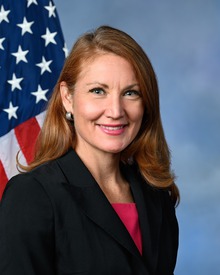
See how Melanie A. Stansbury's votes line up with your values.
DeepSyte scores Melanie A. Stansbury's record on the issues you care about — not party, not press releases. Take the 2-minute values quiz to see your personal alignment.
Sign in and take the values quiz to see how Melanie A. Stansbury's votes line up with your views.
Prediction track record
How often we called Melanie A. Stansbury's passage votes correctly, from their stated positions on each bill's tagged topics. Excludes “unclear” calls and abstentions.
13 predictions on record · none have been resolved by a passage vote yet. Check back as bills move.
Proposing an amendment to the Constitution of the United States relating to the authority of Congress and the States to regulate contributions and expenditures intended to affect elections and to enact public financing systems for political campaigns.
No paired statements and votes yet for Melanie A. Stansbury
We haven't yet found statement/vote pairs on the same topic for Melanie A. Stansbury. This usually means either the rep hasn't taken public positions on bills that have come to a passage vote, or those bills haven't been tagged yet. The checker runs as new press releases and votes come in.
Pro analysis
AI rep analysis — Pro
Get an AI-narrated read on Melanie A. Stansbury's full voting record against your stated values — aligned themes, conflicts, notable votes, and what to watch for.
We haven't extracted campaign positions for Melanie A. Stansbury yet. Once their campaign website or position pages are processed, this card will track what they said vs how they voted.
Crossing the aisle
Passage votes where Melanie A. Stansbury broke ranks with ≥75% of Democrats. Threshold catches substantively partisan splits; unanimous-ish or close votes are excluded.
Reps. Stansbury, Jackson, and Mfume Introduce Bill to Protect the Smithsonian
Position: The release announces introduction of the Smithsonian Integrity and Historical Independence Act of 2026, which would protect the Smithsonian Institution's independence from executive interference in its exhibits and historical interpretation. The sponsors oppose administration efforts to revise Smithsonian exhibits.
WASHINGTON, D.C. — Congresswoman Melanie Stansbury (NM-01), Ranking Member of the DOGE Subcommittee, Rep. Jonathan Jackson (IL-01), and Rep. Kweisi Mfume (MD-07) introduced the Smithsonian Integrity and Historical Independence Act of 2026, a bill to protect the independence of the Smithsonian Institution. This bill follows various attacks on the Smithsonian by the Trump Administration including two executive orders, reports, and demands to overhaul exhibits that the Administration claims promote a “political ideology” and “thinly veiled anti-Americanism."
“The Smithsonian is one of our country’s greatest cultural institutions. Its museums are the keepers of our story, in all of its complexity, triumphs, and challenges,” said Rep. Stansbury. “The President and his allies don’t get to decide who belongs and who doesn’t and whose histories, cultures, and stories matter in this country. This is our history, our country, our Smithsonian, and it belongs to all of us—the American people. This bill is to protect the independence of the Smithsonian and any attempts to try to rewrite our history or compromise its responsibility to tell the story of all Americans and to share our stories with the world.”
"You cannot tell the story of America without telling the story of the South Side of Chicago, and you cannot tell that story honestly without telling the truth about race, struggle, and progress in this country,” said Rep. Jonathan Jackson. “The Smithsonian keeps that truth for all of us. This Administration wants to decide which Americans get remembered and which get erased, but that is not their call to make. I am proud to co-lead this bill because our history is not theirs to rewrite, and the people I represent will not be forgotten."
"Our history has been under attack by Donald Trump for a year and a half now, and last week we learned that this administration intends to put up signs outside the Museum of American History to warn the public about the museum's own historians. I never thought I would see the day," said Rep. Kweisi Mfume. "I am proud to stand with Congresswoman Stansbury and Congressman Jackson to co-lead this bill. No federal official, not the Vice President, and not the President himself, gets to walk into a Smithsonian museum and tell the historians what our history is allowed to say. These museums do not belong to one man, and they do not belong to one party. They belong to the American people."
“Americans value museums as trusted, independent sources of information, and regardless of political affiliation, they have made it overwhelmingly clear that they do not support museum censorship,” said Devon Akmon, Chair of the Board of the American Alliance of Museums. “Protecting the Smithsonian’s scholarly independence honors that public trust and affirms a principle fundamental to all museums: scholarship and interpretation must be guided by evidence, expertise, and professional standards, not political influence.”
"The people who work at the Smithsonian’s history museums are ordinary people—people from many backgrounds and perspectives. They love history; they bring their own families to enjoy the museums on weekends; they work hard as employees and public servants. And they do that work with integrity-- as historians, curators, educators, conservators, and in many other roles through which they bring knowledge to the American people," said Dr. Sarah Weicksel, Executive Director of the American Historical Association."When people walk through the doors of the Smithsonian, they are inspired, surprised, excited, moved to tears, by the artifacts and the stories they find there. Preserving the Smithsonian’s independence ensures that visitors can continue to learn from the entirety of the American story and that it continues to be one of the United States’ most beloved institutions."
“The Smithsonian Institution must be allowed to continue operating free from partisan pressure and in accordance with scholarly and museum best practices,” said John Dichtl, President and CEO of the American Association for State and Local History.“Our country’s cultural crown jewel, the Smithsonian helps millions of Americans connect and learn about our shared history, while also serving as a vital model for the nation’s 21,000 history organizations. We urge Congress to act quickly to defend the Smithsonian and the public’s access to a whole and honest story of America’s past."
President Trump has signed two executive orders directly attacking the Smithsonian Institution’s independence since taking office. Signed in March 2025, the first Executive Order titled “Restoring Trust and Sanity to American History” directs Vice President JD Vance and other Cabinet members to eliminate exhibits, programs, and budgets that they believe portrays American history in a manner the Administration disagrees with.
The second Executive Order, titled “Restoring Trust in the Smithsonian Institution,” signed in July 2026, ordered the placement of signage and warnings critical of the National Museum of American History, alleging that its exhibits present “inaccurate and biased” information. This executive order followed the Administration releasing reports critical of the Smithsonian for allegedly promoting a partisan perspective of American history.
The Smithsonian Integrity and Historical Independence Act of 2026 is endorsed by the American Alliance of Museums (AAM), the American Historical Association (AHA), and the American Association for State and Local History (AASLH).
You can watch a full recording of the presser on the introduction of the bill here. You can read the full text of the bill here.
###
Rep. Stansbury Demands Answers on Project Jupiter’s Water Use as New Mexico Supreme Court Issues Emergency Orders
Position: Rep. Stansbury is requesting that New Mexico state officials provide a public accounting of the water use, water rights, permitting, quality, and Rio Grande Compact compliance associated with the Project Jupiter data center campus near Santa Teresa. She states that water use by major projects should be transparent and fit within state obligations.
ALBUQUERQUE — Congresswoman Melanie Stansbury (NM-01) is requesting answers from New Mexico state officials regarding the water use, water rights, permitting, quality, and compact compliance associated with Project Jupiter, a 1,400-acre artificial intelligence data center campus under construction near Santa Teresa in Doña Ana County, New Mexico. Stansbury’s calls for answers come as the New Mexico Supreme Court issued two emergency orders Sunday night regarding the project’s emergency well permit, used for construction of the project, and a proposed air quality permit.
Stansbury is directing the public request for information by close of business this Friday, August 28, as the Court has ordered the parties to respond to its orders by Wednesday of next week. Stansbury’s letter, addressed to the New Mexico Attorney General, the State Engineer, the State Environment Secretary, and the Chair and Director of the New Mexico Interstate Stream Commission, requests information about the project’s proposed water use, analysis of potential impacts, and compliance requirements under the Rio Grande Compact.
The request comes as New Mexico confronts unprecedented water challenges and works to meet its obligations under a court-supervised settlement following litigation with Texas over the Rio Grande Compact. Under the settlement, New Mexico must reduce groundwater pumping in the Lower Rio Grande Basin by 18,200 acre-feet annually by 2036.
Project Jupiter is expected to become a significant industrial water user in the basin, with estimates putting its water use at over a million gallons a day. Stansbury is asking the Office of the State Engineer (OSE) and others to provide a clear public accounting of how the project’s water needs will be met and what water rights and permits support those needs.
"In New Mexico we know water is life and our communities are facing a historic water crisis,” Rep. Stansbury said. "Every new major water use deserves a transparent accounting of where its water is coming from and how that use fits within our state’s obligations to our tribes and Pueblos, acequias, farmers and ranchers, the communities who already depend on these waters, and our surrounding neighbors. New Mexicans demand and deserve to know how their water is being used, how those rights may be obtained or transferred, and what permits the State has approved. This is about transparency, accountability, and protecting New Mexico’s water future."
In her letter to the OSE, Stansbury requests information on four key areas:
Project Jupiter’s water use: Estimated and reported daily and annual water consumption during construction and future operations, including the intended end uses of the water, such as cooling, power generation, and domestic use, and potential consumptive use and return flows.
Project Jupiter’s water rights: The water rights currently associated with the project, their origin—including whether they derive from prior agricultural use—and the legal process through which any transfer or change of use was reviewed and approved. The request also asks whether any new groundwater appropriations have been sought or granted.
Project Jupiter’s permits and applications: A complete list of applications and permits filed with or issued by OSE, including filing dates, current status, and any protests or objections submitted.
Analyses Conducted on Project Jupiter’s Water Impacts: Any analysis performed of the project’s proposed water use or discharge on state water supplies, water quality, other users, and compliance with in-state, interstate, and international laws, agreements, and management requirements on the Rio Grande.
“The scale of Project Jupiter makes this an important test case for how New Mexico evaluates major industrial water users in a water-scarce future,” Stansbury said. “The public should have a clear accounting of what water resources are being proposed for this project, the process by which those decisions are being made, and must have a say on how water in New Mexico is used.”
This request follows two unanimous orders from the New Mexico Supreme Court on August 23rd, 2026, pausing Project Jupiter proceedings. One order temporarily halts a scheduled September 14th air quality permit hearing at the New Mexico Environment Department on Project Jupiter’s proposed natural gas fuel cell system. The second order directs the Office of the State Engineer to pause an emergency permit for a specific well being used for the data center’s construction. These orders follow concerns from environmental groups alleging a lack of due process in the state's permitting processes. The New Mexico Supreme Court gave the parties involved until September 2, 2026, to respond to their orders.
Find a recording of the press call on this topic here.
Find a copy of the letter here or read the full letter below:
Dear Attorney General Torrez, State Engineer Anderson, Secretary Kenney, Chair Sanchez, and Director Riseley-White:
I am writing to urgently request information from applicable state agencies regarding the water usage, water rights, water permitting, and potential impacts to water quality and interstate river compact compliance associated with Project Jupiter, a 1,400-acre artificial intelligence data center campus under construction near Santa Teresa in Doña Ana County, New Mexico. While the New Mexico Supreme Court has stayed the administrative proceeding on the project’s air quality permit and the use of its emergency water-well authorization this week, we remain deeply concerned about the proposed water usage by this facility. Specifically, we are concerned about whether it has obtained the proper water rights and/or permits to operate in compliance with New Mexico water law and the state's obligations under the Rio Grande Compact and interstate agreements.
This request comes at a critical moment for New Mexico’s water future. As you know, the state is currently experiencing one of its worst water years on record: water curtailments have hit users and farmers statewide following record-low snowpack, Elephant Butte Reservoir has fallen to its lowest storage level since 1971, and the Rio Grande has now run dry through the middle reach for more than three months—one of the longest such stretches on record. While we are hopeful that weather conditions will improve this year to provide increased precipitation, we understand that these conditions represent a longer-term trend and shift in our water supplies due to climate change—which raise significant concerns about the impacts of this project.
With increasing constraints on our water supply, New Mexico is already experiencing significant pressures to restrict and reduce existing uses. Following litigation with Texas over the Rio Grande Compact, New Mexico is now under a binding, court-supervised settlement requiring a reduction in groundwater pumping of 18,200 acre-feet annually in the Lower Rio Grande Basin by 2036—the very basin from which Project Jupiter draws its water. Given New Mexico’s record-breaking drought and ongoing water availability crisis, your agencies’ decisions governing the allocation, permitting, and oversight of our limited water resources deserve the utmost public accountability and transparency. This is especially true when the State is legally obligated to bring into balance a large new industrial water user entering the basin—one that is currently reported to require over a million gallons of water a day.
The questions Project Jupiter has raised matter to and affect New Mexicans statewide. Given the size of this project and the precedent it may set for how similar large-scale industrial water developments will be reviewed in the future, the public deserves a clear and complete record of the water resources at stake and how water rights and permitting determinations will be made.
This request follows significant public concern raised regarding the project’s water requirements at several local proceedings. At the Doña Ana County Board of Commissioners meeting in September 2025, commissioners voted to approve $165 billion in industrial revenue bonds for Project Jupiter. That meeting drew several hundred residents, many of whom requested that the vote be delayed, to allow more time for questions about water and other impacts to be answered. Subsequently, on October 29, 2025, the New Mexico Legislature’s Water and Natural Resources Committee met in Artesia and received a briefing on Project Jupiter, during which committee members raised concerns regarding water use and the availability of information about the project to the public.[4] Similar concerns were also raised in recent public listening sessions held by New Mexico lawmakers over the last several weeks and have been raised by federal state, tribal, and local leaders across New Mexico.
At this time, a full accounting of Project Jupiter’s proposed water usage, permits and water rights has not been made publicly available nor has any analysis of its potential impacts on New Mexico’s water supply, water quality, and compliance with interstate compacts, agreements, and court orders been made public. To shed light on these issues we are respectfully requesting that each of your agencies provide the following information as it pertains to your agency, office, or commission and any relevant information your office may have on the matter:
Project Jupiter’s estimated and reported water usage, in daily and annual volumes, for both the construction phase and ongoing/future operations, including the intended end uses of that water (e.g., cooling, power generation), potential consumptive use, and potential return flows.
Any proposed or confirmed water rights or permits currently associated with Project Jupiter, including their origin (e.g., prior agricultural use) and the legal and/or administrative processes by which any transfer or change of use was reviewed and approved—and whether any new groundwater appropriations have been sought or granted for the project, including quantities, places of use, and relevant dates of administrative action.
A list of all permits and applications filed with or issued by OSE for Project Jupiter, including dates and status of each and any protests or objections filed against them.
Any analysis performed of the project’s proposed water use or discharge on state water supplies, water quality, other users, and compliance with in-state, interstate and international laws, agreements, and management requirements on the Rio Grande.
Given the level of public concern regarding this project and its potential water impacts, and considering imminent court decisions regarding project completion, we request your responses in writing to my office no later than close of business Friday, August 28. We also request that your office make all non-privileged information available to the public.
Thank you for your attention to this request.
###
Issues:Community Well-BeingEnergy, Climate & Environment
Rep. Stansbury Announces $7.6 million in Affordable Housing Programs and Passage of the Most Significant Housing Legislation in Decades
Position: The release supports expanding affordable housing supply and transitional housing for homeless families, youth, seniors, and veterans, and praises the enacted 21st Century ROAD to Housing Act, which includes restrictions on private equity and institutional investors buying family homes.
ALBUQUERQUE – Today, Congresswoman Melanie Stansbury (NM-01) held a press conference with local organizations that she helped secure federal funding for through Community Project Funding. These projects work to expand the affordable housing supply and support seniors, families, and young people experiencing homelessness and housing insecurity across New Mexico.
Rep. Stansbury also celebrated the enactment of the 21st Century ROAD to Housing Act (H.R. 6644) as one of the most significant bipartisan housing bills to pass Congress in the last 30 years. The bill became law on July 11th without the President’s signature after Congress passed the legislation to dramatically increase the building of affordable housing, cut red tape, expand access to capital, modernize programs, and restrict private equity and institutional investors from buying family homes.
Through Community Project Funding, the Congresswoman has secured more than $7.6 million for seven projects, including:
$4.5 million for the City of Albuquerque for a homeless youth center to provide our first dedicated facility for young people experiencing homelessness, including a safe, transitional environment, secured in FY23 and FY24.
$300,000 for the Veterans Integration Center for the first veterans transitional housing campus in New Mexico to provide transitional housing and programs for Veterans and their families experiencing housing insecurity, secured in FY23.
$994,950 for Saranam for transitional housing for families experiencing homelessness - for construction of a new transitional housing project to serve unhoused families in Albuquerque’s west side and provide wrap-around services as families get back on their feet, secured in FY24.
$500,000 for YDI to provide a transitional housing facility for at-risk youth in Albuquerque, secured in FY24.
$850,000 for the City of Albuquerque to provide a senior stability shelter in Albuquerque to provide permanent supportive housing for seniors experiencing homelessness, secured in FY26.
$250,000 for Bernalillo County to expand affordable housing by providing affordable housing for low- and moderate-income seniors and families in Downtown Albuquerque and Bernalillo County, secured in FY26.
$250,000 for Housing New Mexico to expand transitional housing for families in Albuquerque experiencing crisis, secured in FY26.
“Housing is a human right. Every person in our communities deserves a safe, affordable place they can call home,” Rep. Stansbury said. “With the rising cost of living—from groceries, gas, and rent—it is imperative we put in the work to ensure our families, young people, seniors, and veterans get the support they need when experiencing a housing crisis. That’s why I am so proud to have secured millions for housing projects across NM-01. But it’s going to take work from every level—federal, state, and local—to make this a reality. I am grateful to be in this fight with community partners who are dedicated to making New Mexico a better place.”
“Gateway Young Adult exists because federal investment made it possible, and because this community decided that young people facing homelessness deserved more than just a bed,” Gilbert Ramírez, Director of the Department of Health, Housing & Homelessness at the City of Albuquerque, said. “We built this center around what young people actually told us they needed: a place that feels safe, services that meet them where they are, and a team that believes in their potential. Gateway Young Adult is just one piece of a broader system. From emergency shelter and medical sobering to permanent housing and home rehabilitation, the Department of Health, Housing & Homelessness meets people at every stage. Federal funding flowing to local organizations is what gives us the capacity to do this impactful work.”
“Thanks to Congresswoman Stansbury’s support, we’re strengthening Bernalillo County’s home rehab program so families can stay safely housed,” Cindy Chavez, Bernalillo County Manager, said. “When all levels of government and non-profits work together, we are able to expand housing options for all.”
“We are grateful for Rep. Stansbury’s support of Community Project Funding and for taking the time to meet the families at the heart of our work,” Tracy Weaver, Saranam Executive Director, said. “This investment matters because it strengthens Saranam’sability to provide New Mexico families facing homelessness with stable housing, education, and a supportive community. It gives families the tools and opportunities to build stability, move out of poverty and create lasting change across generations.”
“The Veterans Integration Centers recently opened a new, state-of-the-art campus serving veterans and their families,” Brock Wolff, CEO of the Veterans Integration Center, said. “The campus provides transitional housing, supportive services, suicide-prevention programming, and a food pantry. Thanks to Congresswoman Stansbury’s support in securing funding for furniture, fixtures, and equipment at our new campus, VIC is better equipped to provide safe, dignified, and effective services to veterans and their families. This investment is helping us improve outcomes and change lives for the men and women who have served our nation and are experiencing or at risk of homelessness. We are also grateful for Congresswoman Stansbury’s leadership in advancing $800,000 for a future statewide transportation initiative. When funding becomes available, this initiative will help veterans—particularly those in rural and underserved communities—reach medical care, benefits, and other essential services.”
“Empowering Homeless Youth is about far more than providing a safe place to stay, it is about giving young people the stability, support, and opportunities they need to build a stronger future,” Robert Chavez, CEO of YDI, said. “From education and employment to therapeutic care and independent living skills, our goal is to ensure every young person leaves with greater confidence, resilience, and hope for what comes next.”
“As the state housing finance agency and the pass-through entity of these important federal resources, Housing New Mexico sees firsthand the impact of the work being accomplished to support New Mexico families,” Kellie Tillerson, Community Development Director of Housing New Mexico, said. “This funding will support the stability of New Mexico’s First Congressional District’s most vulnerable residents. By creating stable housing opportunities, these families will be positioned to live more prosperous lives and contribute positively to the District 1 community. We are grateful to Congresswoman Stansbury for her ongoing support of families with children who are struggling with housing and thank her for making $250,000 available for transitional housing for families in Albuquerque. Housing New Mexico is proud to partner with providers statewide to deliver services at the local level.”
In addition to securing Community Project Funding for the projects above, Congresswoman Stansbury has submitted Community Project Funding requests for FY27 for four more housing projects in NM-01:
$25,868,600 requested for the Mescalero Apache Nation for the Windy Point Housing Development to support the development of the Windy Point Housing Development and address critical housing needs across the Mescalero Apache Nation.
$2,500,000 requested for the City of Albuquerque’s young adult housing expansion to support the expansion of housing for young adults and provide stable living environments and supportive services for vulnerable young adults and youth.
$2,000,000 requested for the City of Albuquerque’s affordable housing acquisition to support land acquisition by the City of Albuquerque’s Metropolitan Redevelopment Agency to advance affordable housing development and expand housing opportunities for Albuquerque residents.
$2,000,000 to Bernalillo County for the homelessness prevention and housing stabilization program to support homelessness prevention and housing stabilization services and help vulnerable residents remain housed and avoid homelessness across Bernalillo County.
Community Project Funding (CPF) grants are congressionally directed spending grants that fund a variety of projects nationwide, such as housing, homelessness prevention, workforce training, public facilities, parks, resilience planning, and other critical infrastructure and services.
To watch a video of the press conference, click here.
###
Issues:Community Well-BeingCOVID and Community Resources
Rep. Stansbury and Rep. Guest Introduce Legislation to Boost Tribal Schools and Teacher Pay
Position: The release describes introduction of the Indigenous Students Excel through Parity Act, which would direct the Secretary of the Interior to study updates to the Indian School Equalization Formula for BIE-funded schools, including teacher compensation benchmarks and funding for small and rural tribal schools.
WASHINGTON, D.C. — U.S. Representatives Melanie Stansbury (D-NM-01) and Michael Guest (R-MS-03) introduced the Indigenous Students Excel through Parity Act, bipartisan legislation that directs the Secretary of the Interior to recommend updates to the Indian School Equalization Formula, which governs funding for Bureau of Indian Education (BIE) funded schools. This includes funding for 183 schools across 64 tribal communities in 23 states that serve nearly 47,000 students through BIE-operated and Tribally controlled schools.
For years, BIE-funded schools have been severely underfunded by the federal government, from operational funding to construction and maintenance of schools. This has left schools without adequate funding to meet student needs and left teachers and educators without parity in teacher salaries compared to other school systems. The Indigenous Students Excel through Parity Act works to address this issue by reexamining the formula funds that fund these schools and discovering ways to ensure teachers and staff have competitive salaries, small and rural Tribal schools have adequate funding, and new revenue sources are identified to bring BIE-funded schools into parity with other school systems.
“Every student deserves the opportunity to thrive, and every teacher deserves to be paid what they’re worth. This bill is to ensure Bureau of Indian Education and Tribally controlled schools have the resources they need to succeed,” said Rep. Stansbury. “I'm proud to introduce the bipartisan Indigenous Students Excel through Parity Act, legislation to advance BIE funding, support Native students and teachers, and create new educational opportunities. Working with our Tribal nations and schools, we are fighting every day to ensure our schools have the resources they need!”
“I am honored to co-lead the ISEP Act with Congresswoman Stansbury," said Rep. Guest. “Our students deserve access to a quality education. Schools funded through the Bureau of Indian Education often face unique funding, staffing, and rural challenges that can make it difficult to recruit and retain qualified educators. This bipartisan bill will help identify those disparities and provide Congress with the information needed to improve educational opportunities for our Native American students.”
Key provisions of the legislation include:
A Formula Study: Within one year of enactment, the Secretary of the Interior, in coordination with the Assistant Secretary for Indian Affairs and the Director of the BIE, will evaluate updates to the Indian School Equalization Formula, including alternative methods for equitable distribution of funds.
A Competitive Compensation Benchmark: The study will evaluate a compensation standard equal to the higher of either the highest quartile or average state-by-state salaries for non-Bureau public school staff, or the rate of basic compensation for Department of Defense overseas teaching positions. \
Consideration for Small and Rural Schools: The study will weigh factors specific to tribally controlled schools, schools with fewer than 100 students, and schools located in rural areas.
A Report to Congress: The Secretary will submit a report to Congress and make it publicly available to Indian Tribes describing the adequacy of the current formula and program, along with recommendations for improvement.
A Revenue Source Study: Within one year of enactment, the Secretary will also conduct a separate study to identify potential revenue sources to help bring Bureau-funded schools into parity with other school systems.
The bill is endorsed by key Tribal organizations including the National Indian Education Association (NIEA) and the National Congress of American Indians (NCAI).
Companion legislation was introduced in the United States Senate by Senators Martin Heinrich (D-NM) and Cynthia Lummis (R-WY).
You can read the full text of the bill here.
Additionally, Rep. Melanie Stansbury also introduced the Indigenous Students Excel through Parity Act (II), which would enact changes in formula funding studied in the bipartisan Indigenous Students Excel through Parity Act described above.
This bill actualizes the Secretary of the Interior’s recommended updates to the Indian School Equalization Formula, requiring the Interior Department to update the Indian School Equalization Formula within one year of the bill’s enactment. Additionally, this bill would ensure that Tribally controlled, small, and rural schools have access to more equitable funding by bringing BIE teacher salaries in line with top-quartile state pay. The bill also requires the President to request full funding for this program every single year in his annual budget request, protecting Tribal funding.
The full text of the Indigenous Students Excel through Parity Act (II) can be found here.
Rep. Stansbury held a virtual press call on these two bills. Watch it here.
###
Rep. Stansbury Votes ‘YES’ on Massie Amendment to Block Foreign Military Aid
Position: The release states the representative voted yes on an amendment to block $3.3 billion in military aid to Israel, and opposes continued U.S. funding of military operations in the Middle East.
WASHINGTON, D.C. — Today, Congresswoman Melanie Stansbury (NM-01) released the following statement after voting ‘YES’ on Congressman Thomas Massie’s (KY-04) Amendment to the National Security, Department of State and Related Programs Appropriation Act:
"Our country is at a crossroads. Will we continue to allow American taxpayer dollars to fund an illegal war in the Middle East and the killing and suffering of children and civilians in Gaza, the West Bank, and Lebanon? Or will we choose peace and human dignity?
"Today, I voted for peace and human dignity—voting 'yes' on an Amendment to the National Security funding bill that would have blocked $3.3 billion in offensive military aid to fund violence in the Middle East. As a member of the House Progressive Congress, I am proud to stand with my colleagues on this vote. No more money for endless wars."
###
Reps. Stansbury, Vasquez, Leger Fernández Investigate Federal Drug Enforcement Actions that Allowed Fentanyl on to New Mexico’s Streets
Position: The representatives are demanding answers from the DEA about reported federal drug enforcement operations that allegedly allowed fentanyl to reach New Mexico communities, and they urge the DEA to focus on stopping drugs before they reach the streets.
WASHINGTON, D.C. — U.S. Representatives Melanie Stansbury (D-NM),, Gabe Vasquez (NM-02), Teresa Leger Fernández (NM-03) sent a letter to U.S. Drug Enforcement Administrator Terrance Cole demanding answers about reports that federal agents and prosecutors knowingly allowed hundreds of thousands of fentanyl pills to flood the streets of Albuquerque and other New Mexico communities. The practice, known as “walking,” is an investigative tactic where law enforcement agencies, like the Drug Enforcement Administration (DEA), deliberately allow illicit drugs to pass through supply chains and reach the streets. Rep. Stansbury and the New Mexico delegation pressed Administrator Cole for an immediate briefing on DEA policies and actions in New Mexico its actions with respect to the fentanyl crisis.
“New Mexicans are paying the price for a fentanyl epidemic that is tearing families apart and deserve answers. We are demanding answers as to whether federal agents knowingly allowed fentanyl to reach and harm our communities,” said Rep. Melanie Stansbury. “The DEA's own message is clear: one pill can kill. At a time when overdose deaths continue to devastate our state and communities, the DEA should be focused on stopping these drugs before they reach our streets—period.”
“Introducing high quantities of fentanyl into communities where drug abuse is prevalent is a highly dangerous and volatile approach,” said Rep. Vasquez. “I’m demanding answers from the DEA to understand exactly how this operation went down, who approved it, and what results, if any, it yielded. Fentanyl is a highly lethal drug that should be treated as such, as our hardworking members of local law enforcement work every day to eradicate this toxic substance from our streets, homes, and neighborhoods.”
“New Mexico families have lost too many loved ones because of fentanyl,” said Rep. Teresa Leger Fernández. “Every pill that makes it into our communities puts lives at risk. The law enforcement technology and drug interdiction resources our delegation has supported for years are meant to stop fentanyl from reaching our families—not let it through. New Mexicans deserve answers.”
According to the Drug Enforcement Administration, even a small amount of fentanyl can provide a potentially lethal dose. Fentanyl is incredibly potent—about 50 times stronger than heroin and 100 times stronger than morphine—a deadly quantity is roughly equivalent in size to a few grains of salt.
New Mexico has now led the nation for two consecutive years in drug overdose deaths, and data from the Centers for Disease Control and Prevention (CDC) show our state’s overdose deaths rose nearly 23 percent over the past year while the national rate fell. Nonfatal suspected fentanyl overdoses treated in New Mexico emergency departments have reached their highest level since January 2023. These allegations also follow reports that DEA agents are being reassigned from drug trafficking cases to support the Administration’s mass deportation agenda.
This letter follows reporting from the Albuquerque Journal that the Drug Enforcement Administration may have allowed fentanyl to leak into Albuquerque and New Mexico streets.
You can find the full letter here.
Congresswoman Stansbury hosted a press call on this topic with New Mexico Speaker of the House, Javier Martinez. You can watch a recording of the press call here.
Rep. Stansbury leads Congressional Delegation in Demanding Accountability and Congressional Investigation into Fentanyl Flooding New Mexico’s Streets
Position: The New Mexico delegation calls for public congressional hearings and investigations into DEA fentanyl enforcement policies and practices, including reported "walking" of fentanyl pills into New Mexico communities, and asks Congress to examine policy and legislative changes to address the issue.
WASHINGTON, D.C. — U.S. Representatives Melanie Stansbury (NM-01), Gabe Vasquez (NM-02), Teresa Leger Fernández (NM-03) sent a letter to House Oversight Committee Chairman James Comer (R-KY) and Ranking Member Robert Garcia (D-CA), and House Judiciary Committee Chairman Jim Jordan (R-OH) and Ranking Member Jamie Raskin (D-MD), to demand the committees begin public hearings and investigations into the U.S. Drug Enforcement Administration. This follows whistleblower reports that federal agents may have allowed hundreds of thousands of deadly fentanyl pills to reach the streets of New Mexico’s communities over the last several years. Additionally, the delegation demanded an inquiry into the policies and practices that led to deadly fentanyl being allowed to be distributed and sold across New Mexico, and to examine necessary policy and legislative changes to address these issues.
The practice, known as “walking,” is an investigative tactic where law enforcement agencies, like the Drug Enforcement Administration (DEA), deliberately allow illicit drugs to pass through supply chains and reach the streets. According to the Drug Enforcement Administration, even a small amount of fentanyl can provide a potentially lethal dose. Fentanyl is incredibly potent—about 50 times stronger than heroin and 100 times stronger than morphine—a deadly quantity is roughly equivalent in size to a few grains of salt.
New Mexico has now led the nation for two consecutive years in drug overdose deaths, and data from the Centers for Disease Control and Prevention (CDC) show the state’s overdose deaths rose nearly 23 percent over the past year while the national rate fell. Nonfatal suspected fentanyl overdoses treated in New Mexico emergency departments have reached their highest level since January 2023. These allegations also follow reports that DEA agents are being reassigned from drug trafficking cases to support the Administration’s mass deportation agenda.
The call for public hearings and investigations follows reporting from the Albuquerque Journal that the Drug Enforcement Administration may have allowed fentanyl to leak into Albuquerque and New Mexico streets. Additionally, Rep. Stansbury and the New Mexico delegation pressed DEA Administrator Cole for an immediate briefing on DEA policies and actions in New Mexico its actions with respect to the fentanyl crisis.
You can read the full letter here or below:
Dear Chairman Comer, Chairman Jordan, Ranking Member Garcia, and Ranking Member Raskin,
We are writing to urgently request the Committee on Oversight and Government Reform and the Judiciary Committee conduct oversight over the federal Drug Enforcement Administration's (DEA's) fentanyl enforcement policies and practices, and recent reports that federal agents may have allowed hundreds of thousands of deadly fentanyl pills to reach the streets of New Mexico’s communities over the last several years.
The New Mexico delegation urgently requests the Committees hold public oversight hearings with officials who oversee these programs, conduct an inquiry into the policies and practices that led to deadly fentanyl being allowed to be sold and distributed, and discuss legislative changes to address these issues.
Recent reporting has revealed that the DEA allowed hundreds of thousands of fentanyl pills to hit the streets of New Mexico, including accounts by multiple current and former agents, internal agency records, and a formal whistleblower complaint filed by a longtime DEA agent who raised alarms about the practice years before it became public.[1]
According to these accounts, DEA agents monitored fentanyl shipments and then allowed them to reach their destination, in the hopes of building larger cases against major traffickers.[2] While agents monitored shipments, deadly fentanyl pills reportedly remained unintercepted as officials sought to investigate and prosecute other and larger cases. This occurred despite the immense risk to public safety in New Mexico's communities, given the extraordinary lethality of the substance. As the DEA’s own campaign warns: just One Pill Can Kill.[3]
For years we have fought to keep fentanyl off our streets as New Mexico has remained in the grip of a crisis unlike anything our state has previously faced. This makes these allegations—the known release of fentanyl into our communities—particularly concerning and prime for investigation from the Committees. For two consecutive years, New Mexico has led the nation in the rate of increase in drug overdose deaths.[4] Over the past year alone, overdose deaths in our state rose nearly 23 percent even as the national rate declined.[5] Hospitals are now seeing the highest number of nonfatal suspected fentanyl overdoses since January 2023. Behind these statistics, New Mexico families are burying children, neighbors, loved ones, and friends.
We are demanding immediate oversight and accountability. The Committees hold broad, government-wide jurisdiction to examine the operations of federal agencies, making them uniquely positioned to investigate a matter that touches DEA practices, Department of Justice policy, and whistleblower retaliation. The Committees also have a long history of examining similar institutional failures at the federal level, and it offers the appropriate venue to investigate it. If federal agents and prosecutors permitted known fentanyl shipments to proceed unintercepted, the public has a right to know why and what the consequences were for New Mexico’s communities.
It is critical that DEA leadership, experts, and representatives of impacted communities testify publicly about these practices, including the internal guidance and approval process governing decisions to let known fentanyl shipments proceed, the safeguards in place to prevent such decisions from resulting in overdose deaths, and how the agency is currently deploying its personnel and resources in New Mexico. To understand the impacts to our state, it is critical to determine the specific timeline and decisions by the DEA and U.S. Attorney's Office regarding all controlled deliveries in New Mexico over the past two years, including who authorized each action and any risk assessments associated with these deliveries. We also are demanding a full disclosure of these documents from the agencies themselves.
We thank you for your attention to this matter and respectfully request that the Committees hold a hearing on this matter at the earliest opportunity and join us in demanding accountability. We appreciate your attention to this request and look forward to collaborating on bipartisan oversight into this pressing issue.
###
Reps. Stansbury, Schweikert, Grijalva, Stanton, and Leger Fernandez send Bipartisan Letter to Secretaries Rollins, Kennedy on Screwworm Outbreak
Position: The representatives urge USDA and HHS to coordinate and deploy all necessary federal resources to contain the New World screwworm outbreak, and Rep. Schweikert requests a detailed accounting of sterile fly production, surveillance, and treatment resources from the agencies.
WASHINGTON, D.C. — U.S. Representatives Melanie Stansbury (D-NM), David Schweikert (R-AZ), Adelita Grijalva (D-AZ), Greg Stanton (D-AZ), and Teresa Leger Fernandez (D-NM) sent a letter to Agriculture Secretary Brooke Rollins and Health and Human Services Secretary Robert F. Kennedy, Jr. to push for urgent action to address the confirmed detection of New World screwworm (NWS) in the United States for the first time in sixty years. The letter requests full agency coordination and deployment of all federal resources necessary to contain the New World Screwworm (NWS) outbreak in New Mexico and across the country.
"New World screwworm has now reached New Mexico, putting our ranchers, livestock, wildlife, pets, and rural economies at risk," said Rep. Melanie Stansbury. "We successfully eradicated screwworm once before through innovation and coordination across every level of government. To do so again, federal agencies must work together with Congress, state, local, and Tribal governments, and producers to ensure that our response is fully resourced, rapid, and well-coordinated. We stand ready to work with our federal, state, and local partners to protect New Mexico's communities, livestock industry, and food supply."
“Arizona’s ranchers and veterinarians need clear guidance as federal agencies respond to confirmed New World screwworm cases in Texas and New Mexico,” said Rep. David Schweikert. “I am asking USDA and HHS to provide Congress with a clear accounting of sterile fly production and dispersal capacity, surveillance capabilities, treatment guidance and the resources needed to contain this outbreak. Decades ago, the United States eradicated screwworm with sterile fly technology and aggressive field surveillance. Now we need to use those same tools, keep livestock producers informed and stop this outbreak from spreading.”
The U.S. Department of Agriculture’s Animal and Plant Health Inspection Service (APHIS) confirmed the first case of New World screwworm in a calf in Zavala County, Texas, on June 3, 2026. Since then, the outbreak has grown to twelve confirmed cases, including the first confirmed case in a pet dog in Lea County, New Mexico, last week.
New World screwworm larvae burrow into a cow’s living flesh, feeding aggressively and tearing at healthy tissue. This creates deep, expanding wounds that are highly prone to secondary infections. If left untreated, the infestation causes severe pain, weight loss, and is often fatal within 7 to 10 days. This spread, the result of a sustained northward advance of NWS through Central America and Mexico since 2023, represents a serious threat to American livestock producers, companion animals, wildlife, and our country’s food supply. NWS can infest livestock, pets, wildlife, occasionally birds, and in rare cases, people.
For New Mexico screwworm resources: screwwormnm.org
You can read the full letter below:
Dear Secretary Rollins and Secretary Kennedy:
We write to express our deep concern regarding the confirmed detection of New World screwworm (NWS) in the United States for the first time in sixty years. Since USDA’s Animal and Plant Health Inspection Service (APHIS) confirmed the first case in a calf in Zavala County, Texas, on June 3, 2026, the outbreak has grown to twelve confirmed cases, including the first confirmed case in a pet dog in Lea County, New Mexico, last week. This spread, the result of a sustained northward advance of NWS through Central America and Mexico since 2023, represents a serious threat to American livestock producers, companion animals, wildlife, and our country’s food supply. We urge both Departments to ensure that the federal response is fully resourced, rapid, and well-coordinated in responding to this threat.
We recognize USDA’s completion of the sterile fly dispersal facility at Moore Air Base in Edinburg, Texas, the investment of $21 million to expand production capacity in Mexico, and the deployment of sterile flies in South Texas and surrounding areas. We also commend the Food and Drug Administration for its emergency authorization of treatments for affected animals. The crossing of the NWS into U.S. territory is a threshold moment that demands a proportional escalation.
The federal response must reflect a true whole-of-government commitment. NWS
threatens a broad range of federal equities, including economic losses for livestock producers and potential infestations in wildlife and companion animals. While the current human risk remains low, the documented presence of the fly in the United States requires vigilance and clear public health guidance. We ask that USDA and HHS establish formal, ongoing coordination between APHIS, the Centers for Disease Control and Prevention, the U.S. Fish and Wildlife Service, and relevant state agencies in Texas, New Mexico, Arizona, and other affected or at-risk states to ensure that surveillance, treatment guidance, and public communication are coordinated. Workforce capacity, including the institutional knowledge needed to manage this response effectively, should also be assessed, particularly given ongoing staffing pressures across federal agencies.
To ensure the response is fully resourced and proportional to the threat, we respectfully request that USDA provide our offices with the following:
A detailed accounting of current and planned sterile fly production and dispersal capacity, including timelines for any additional facilities or resources needed to address the spread of NWS;
An assessment of surveillance and monitoring capacity in at-risk states, and any additional resources required to expand it;
Updated, clear guidance for livestock producers, veterinarians, and the public on NWS prevention, detection, and treatment, including how producers can access USDA resources and support;
A staffing and workforce assessment for APHIS and other agencies involved in the NWS response, to ensure adequate personnel are in place to carry it out;
Regular updates to Congress on case counts, response activities, and resource needs; and
An estimate of additional resources, including any supplemental funding for local agriculture extension services, that would be needed to fully resource the response.
The United States successfully eradicated NWS once before, through decades of sustained effort and scientific ingenuity. We are confident that with the full and coordinated mobilization of federal resources, we can do so again.
We stand ready to work with both Departments, State governments, local extension services, and our colleagues on both sides of the aisle to ensure that producers, veterinarians, and communities across the country have the support they need. We appreciate your prompt attention to this matter and look forward to your response.
###
Rep. Stansbury, Senator Heinrich Introduce Bill to Boost College Success
Position: Introduces the Postsecondary Student Success Act to authorize federal funding for evidence-based programs supporting college retention, persistence, and graduation.
WASHINGTON, D.C. — Today, U.S. Representative Melanie Stansbury (D-NM) and U.S. Senator Martin Heinrich (D-NM) introduced the Postsecondary Student Success Act, legislation to authorize dedicated federal funding for evidence-based programs that help students stay enrolled in college, complete their degrees, and prepare for successful careers.
The Postsecondary Student Success Act would formally authorize the Postsecondary Student Success Grant (PSSG) program, which is a highly successful initiative that has consistently delivered, but never been formally authorized in law. By enshrining the program in law, the legislation would provide long-term support for colleges and universities to implement proven strategies that improve student retention, persistence, and graduation rates.
"Too many students leave college before finishing because they face academic, financial, and personal challenges without support," said Rep. Melanie Stansbury. “The Postsecondary Student Success Act will help make sure students who are veterans, first-generation graduates, low-income, historically underrepresented, and students with disabilities get the support and services they need to achieve their goals and finish their degrees. This bill will help students realize their dreams!”
“Getting students to college is only part of the equation — we also need to make sure they have the tools and support to finish,” said Senator Martin Heinrich. “That’s why I helped fund the Postsecondary Student Success Grant Program and it’s why I am working to authorize it through our legislation, to invest in proven strategies that keep students on track, improve graduation rates, and expand opportunities for New Mexicans.”
The Postsecondary Student Success Act will remove barriers that stand in the way of students’ academic success by permanently authorizing the Postsecondary Student Success Grant program.
The bill authorizes funding to colleges and universities for evidence-based retention programs, such as:
Faculty and peer mentoring and counseling;
Academic advising and real-time student support;
Tutoring and academic enrichment services;
Re-enrollment and transfer student support programs;
Emergency financial assistance;
Career coaching and workforce preparation;
Work-based learning opportunities and industry partnerships; and
Recruitment and retention of faculty and instructional staff.
The legislation prioritizes the use of evidence-based practices through a three-tier framework and reserves a portion of funding for projects implementing interventions with the strongest demonstrated impact on student success. The bill also requires independent evaluations to identify effective strategies and ensure taxpayer dollars are invested in programs that improve retention and completion rates.
This bill is endorsed by EdTrust, Third Way, The Institute for College Access & Success (TICAS), Complete College America (CCA), The Association of Community College Trustees (ACCT), the Association of Public and Land-Grant Universities (APLU), New America, and Institute for Higher Education Policy.
View the bill text here.
Statements of Support:
“EdTrust applauds the Postsecondary Student Success Act, introduced by Rep. Stansbury and Sen. Heinrich, and expresses our unqualified support for the bill. The legislation would codify and improve the current Postsecondary Student Success Grant program and demonstrates continued support for evidenced-based student success programs. This program has been funded for five consecutive years and helps students stay enrolled in school and graduate, while being particularly impactful for students of color and students from low-income backgrounds. We urge Congress and the president to enact this bill in the coming months,” said EdTtrust.
“Completing college remains one of the most reliable pathways to economic opportunity, but too many students don't make it across the finish line to a degree. Third Way applauds Senator Heinrich and Representative Stansbury for reintroducing the Postsecondary Student Success Act, which will empower colleges to scale proven practices that help students persist and graduate. This investment in our nation's students and their goals will lead to higher completion rates, better workforce outcomes, and a stronger return on investment in higher education. We urge Congress to advance this legislation and provide lasting support for the Postsecondary Student Success Grant program,” said Third Way.
“TICAS applauds the reintroduction of the Postsecondary Student Success Act. Too many students leave college without a credential because they lack access to the necessary supports that help them persist and complete. By authorizing the Postsecondary Student Success Grants program, this legislation would help colleges and universities expand evidence-based strategies that improve retention, transfer, persistence, and completion, particularly for students who face the greatest barriers to success. Congress should advance this bipartisan approach to supporting students and improving economic mobility,” said Valerie Crespín-Trujillo, Senior Director at College Completion & Basic Needs Policy, The Institute for College Access & Success (TICAS).
“Earning a college degree is life-changing for millions of students each year, but too many students who enroll in college don’t reach the finish line with a degree in hand,” said Association of Public and Land-grant Universities President Waded Cruzado. “We thank House and Senate sponsors of the Postsecondary Student Success Act for championing legislation that would help more institutions scale evidence-based practices that help students efficiently complete college, enter the workforce, and reap the benefits of a college education,” said the Association of Public and Land-Grant Universities (APLU).
“Too many students still face barriers that prevent them from completing college and earning a credential of value. At a time of economic change and budget uncertainty, this legislation would give states and institutions the resources needed to sustain the hard-fought gains in college completion made over the past decade and scale evidence-based strategies that help more students persist and graduate. By investing in student success, Congress can help states strengthen workforce competitiveness, build talent pipelines in high-demand industries, and ensure more learners can achieve economic mobility through higher education,” said Yolanda Watson Spiva, President of Complete College America.
“New Mexico has long recognized that student success and credential attainment are critical to the future of our communities, workforce, and economy. The Postsecondary Student Success Act represents the kind of partnership between states and the federal government that will help institutions meet students where they are and ensure more students can complete a credential of value needed to compete or succeed in today's economy. This legislation would provide colleges with the sustained support needed to expand proven strategies that improve retention and graduation rates — especially for students balancing work, family responsibilities, financial pressures, and other barriers along the way,” said Dr. Barbara Damron, member of the CCA Board of Directors and University of New Mexico, College of Nursing, Professor Emeritus and Visiting Professor.
“New America applauds the introduction of the Postsecondary Student Success Act. Too many students start college but never finish. This bill meets that challenge head-on, equipping institutions with the resources to close completion gaps, particularly for underserved students, and insisting these dollars back practices proven to work,” said Wesley Whistle, Project Director for Student Success & Affordability at New America.
"IHEP is proud to once again endorse the Postsecondary Student Success Act and applauds Sen. Heinrich and Rep. Stansbury's steadfast commitment to helping students cross the degree-completion finish line. This legislation offers a clear, evidence-based path to ensure more colleges have the resources they need to support students from enrollment to graduation. Codifying the Postsecondary Student Success Grant program is exactly the kind of targeted, proven investment that will improve student outcomes and deliver real returns for students and communities alike. IHEP urges Congress to pass this bill without delay,” said Mamie Voight, President & CEO, Institute for Higher Education Policy.
###
Rep. Stansbury Secures Federal Funding for Albuquerque Water Security Project
Position: The release announces $512,320 in EPA funding for the Albuquerque Water Utility Authority's Aquifer Storage and Recovery project and expresses support for investment in water security and drought resilience.
ALBUQUERQUE, N.M. — Congresswoman Melanie Stansbury (NM-01) delivered $512,320 in federal funding for the Albuquerque Bernalillo County Water Utility Authority’s Aquifer Storage and Recovery (ASR) Project, to advance a major long-term investment in water security and drought resilience for central New Mexico.
The funding, awarded by the U.S. Environmental Protection Agency (EPA), was secured through Rep. Stansbury’s Community Project Funding request in the Fiscal Year 2024 Consolidated Appropriations Act. The investment will support the design and construction of infrastructure needed to store surface water in the Albuquerque aquifer. The project will allow the Water Utility Authority to move stored water from Abiquiu Reservoir to underground storage in Albuquerque, where it can be recovered when needed to support the region’s long-term water supply.
“Water is life, and protecting New Mexico’s water future requires bold investments in resilient infrastructure,” said Rep. Stansbury. “This funding will help the Water Utility Authority advance an innovative aquifer storage and recovery project that strengthens drought preparedness, protects groundwater resources, and ensures families across Albuquerque have reliable access to clean water for generations to come.”
The Aquifer Storage and Recovery Project is a cornerstone of the Water Utility Authority’s 100-year water management strategy and is designed to improve the region’s ability to store water during wet years for use during times of drought or shortage.
About the Albuquerque Bernalillo County Water Utility Authority
The Albuquerque Bernalillo County Water Utility Authority provides drinking water, wastewater, and reclaimed water services to more than 700,000 customers throughout the greater Albuquerque metropolitan area.
###
Source: GDELT 2.0 GKG, filtered to a curated list of national outlets. Inclusion is not endorsement; opinion pieces and reported news are mixed.
Recent stock activity
Periodic transaction reports filed under the STOCK Act — disclosed by the rep, sourced from public filings.
No disclosed trades on record.
Source: open-data mirrors of the Senate eFD and House Clerk financial-disclosure systems. Disclosure within 30 days of trade is required by law (45 for spouse/dependent trades).
Top PAC donors · 2026 cycle
Political action committees that gave the most to this rep's principal campaign committee this cycle. PAC giving is direct organizational support — industry, ideological, or leadership.
1.INTERNATIONAL BROTHERHOOD OF ELECTRICAL WORKERS POLITICAL ACTION COMMITTEELabor2 contributionsTrade-union PAC for the International Brotherhood of Electrical Workers (IBEW). Backs candidates supporting prevailing-wage standards, infrastructure investment, apprenticeship programs, and union organizing rights.AI$10,000
2.TURQUOISE PAC2 contributions$10,000
3.ALLIANCE FOR PHYSICAL THERAPY QUALITY AND INNOVATION PAC2 contributions$10,000
4.AMERICAN FEDERATION OF STATE COUNTY & MUNICIPAL EMPLOYEES P E O P L E4 contributions$10,000
5.SMART TD PAC7 contributions$7,000
6.AMERICAN ASSOCIATION FOR JUSTICE POLITICAL ACTION COMMITTEE (AAJ PAC)4 contributions$6,000
8.MACHINISTS NON-PARTISAN POLITICAL LEAGUE OF THE IAMAW1 contribution$5,000
9.INTERNATIONAL BROTHERHOOD OF BOILERMAKERS CAMPAIGN ASSISTANCE FUND1 contribution$5,000
10.CARPENTERS LEG. IMPROVEMENT COMMITTEE UNITED BROTHERHOOD OF CARPENTERS & JOINERS1 contribution$5,000
Source: OpenFEC (api.open.fec.gov) Schedule A receipts where contributor type is “committee.” Aggregated by contributing committee. Self-transfers from joint-fundraising / victory committees are excluded.
Top individual contributors · 2026 cycle
Itemized individual contributions over $200 to this rep's campaign committee, aggregated by donor employer. PAC giving is shown above; this section is people, not organizations.
1.TRUECOVERAGE LLC$7,000
2.THORNBURG INVESTMENT MANAGEMENT$7,000
3.FIVE & DIME GENERAL STORES$7,000
4.CALCULEX INC.$6,200
5.UNM$5,875
6.UNIVERSITY OF NEW MEXICO$4,320
7.GIBBS & BRUNS LLP$4,000
8.COLLINEAR NETWORKS$3,500
9.TPG CAPITAL$3,500
10.UNION SQUARE VENTURES$3,500
Source: OpenFEC Schedule A receipts where contributor type is “individual,” aggregated by the donor's self-reported employer. This is a geographic / industry correlation, not a corporate endorsement.