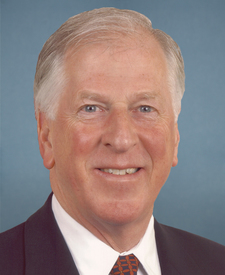
See how Mike Thompson's votes line up with your values.
DeepSyte scores Mike Thompson's record on the issues you care about — not party, not press releases. Take the 2-minute values quiz to see your personal alignment.
Sign in and take the values quiz to see how Mike Thompson's votes line up with your views.
Prediction track record
We haven't made any vote predictions for Mike Thompson yet. Predictions are generated for bills with tagged effects; they show up here as soon as the predict-votes job covers this rep's upcoming docket.
Consistency insights
No paired statements and votes yet for Mike Thompson
We haven't yet found statement/vote pairs on the same topic for Mike Thompson. This usually means either the rep hasn't taken public positions on bills that have come to a passage vote, or those bills haven't been tagged yet. The checker runs as new press releases and votes come in.
Pro analysis
AI rep analysis — Pro
Get an AI-narrated read on Mike Thompson's full voting record against your stated values — aligned themes, conflicts, notable votes, and what to watch for.
Positions Mike Thompson took during their campaign, scored against their subsequent record — public statements cross-checked with related votes. “Kept” means 80%+ of those statement-vs-vote pairs aligned; “Broken” means 30% or fewer.
0 kept0 broken0 mixed0 no action yet
Mike Thompson has 5 tracked positions but no scored statement-vs-vote pairs touching them yet. Verdicts will appear here as related statements and votes accumulate.
No action yetSupports
All gun sales — including private ones — should require a background check.
“We can do both by passing commonsense policies like comprehensive criminal background checks.”
People who were brought to the U.S. illegally as children should have a path to citizenship.
“We need comprehensive reform that that rewards individuals who play by the rules, allows children of immigrants to get a college education, provides a pathway to citizenship for families who have been here for generations”
Passage votes where Mike Thompson broke ranks with ≥75% of Democrats. Threshold catches substantively partisan splits; unanimous-ish or close votes are excluded.
To prohibit individuals who are not citizens of the United States from voting in elections in the District of Columbia and to repeal the Local Resident Voting Rights Amendment Act of 2022
Position: The release announces that the Clergy Act, which creates a two-year window for clergy who previously opted out of Social Security to re-enroll, has been signed into law, and describes the bill as offering voluntary opt-in flexibility for faith leaders.
Washington, DC – Today, Rep. Mike Thompson (D-CA-04) and Rep. Vince Fong’s (R-CA-20) announced their bipartisan Clergy Act was signed into law. Thompson successfully passed the Clergy Act through the House of Representatives earlier this year, after securing unanimous support in House Ways and Means Committee. The Clergy Act establishes a one-time re-enrollment window for pastors and other clergy members who previously opted out of Social Security to voluntarily opt back in and begin contributing to their financial futures.
“Faith leaders play a critical role in supporting our communities — offering them the flexibility to opt in to Social Security as they plan for retirement just makes sense. I’m glad to have co-led this bipartisan effort with Rep. Fong and I am proud that our bill was signed into law,” said Thompson.
BACKGROUND
The Clergy Act establishes a one-time re-enrollment window for clergy members who previously opted out of Social Security, many in their youth, to voluntarily opt back in. Some of our faith leaders opted out decades ago, often due to inaccurate advice or conscientious objection, only to later face significant financial hardship. Under previous law, this opt-out was permanent. For clergy who have spent their lives serving their communities and congregations, this legislation restores the freedom to secure basic financial protection in retirement.
The Clergy Act creates a two-year window – covering taxable years beginning January 1, 2028, and January 1, 2029 – for eligible clergy members who previously opted out of Social Security to revoke their exemption and begin contributing. Importantly, this legislation does not modify existing Social Security regulations. Eligible clergy must still meet the standard 10-year contribution requirement to earn full retired-worker benefits, receiving benefits proportional to their contributions. The bill also requires the Internal Revenue Service (IRS) and Social Security Administration to submit a plan to Congress outlining their strategy to inform clergy members of their eligibility to re-enroll. Historically, Congress has approved limited re-enrollment windows, including in 1999 under the Ticket to Work Act.
The Clergy Act is supported by a broad coalition of faith-based and retirement security organizations, including the National Association of Evangelicals, Church Alliance, Evangelical Council for Financial Accountability (ECFA), GuideStone Financial Resources, and Lancaster Baptist Church.
Issues:Civil RightsSeniors
THOMPSON LEADS BIPARTISAN EFFORT TO EXPAND VA BENEFITS FOR VETERANS WITH SERVICE-CONNECTED DISEASES
Position: Representatives and a senator urge the Department of Veterans Affairs to recognize Inclusion Body Myositis as a presumptive service-connected condition so affected veterans can access earned benefits more easily.
Santa Rosa, CA – Rep. Mike Thompson (CA-04), Representatives Gus Bilirakis (R-FL), and Sarah Elfreth (D-MD) and Senator Tammy Baldwin (D-WI) led a bipartisan effort urging the Department of Veterans Affairs (VA) to recognize Inclusion Body Myositis (IBM) as a presumptive service-connected condition, helping veterans with the debilitating disease access the benefits they have earned through their service.
IBM is a progressive, incurable neuromuscular disease that causes muscle weakness, loss of mobility, difficulty swallowing, and other serious complications. Despite its significant clinical and pathological similarities to Amyotrophic Lateral Sclerosis (ALS), which the VA already recognizes as a presumptive service-connected condition, veterans diagnosed with IBM must navigate a lengthy and burdensome process to establish that their disease is connected to military service.
“As a combat veteran, I know how important it is that veterans who served our country receive the care and benefits they have earned,” said Thompson. “Inclusion Body Myositis is a progressive, incurable disease that can rob veterans of their mobility and independence. They should not have to fight a lengthy claims process while living with this devastating disease.”
Thompson’s effort has been supported by the advocacy of The Myositis Association and Jane and Ross Liscum, whose work has helped raise awareness of the challenges veterans with IBM face and the need for greater recognition of the disease. Their continued support has helped bring attention to this issue and build support for action to assist affected veterans.
Ross Liscum, a U.S. Marine Corps combat veteran who served in Vietnam in 1969-70 and was exposed to Agent Orange, described his experience living with IBM and the importance of recognizing the disease.
“I never imagined that after serving my country, I would have to fight another battle just to have my disease recognized,” said Ross Liscum, USMC Veteran, Santa Rosa, CA. “Recognition of IBM as a presumptive service-connected condition would mean that veterans and their families would no longer have to fight this battle alone.”
“As the wife of a Combat Vietnam USMC Veteran living with Inclusion Body Myositis (IBM), I have watched this devastating, progressive disease gradually rob my husband of his strength, independence, and quality of life. Here in Sonoma County, we are one family living with the consequences of this disease, but veterans and their families across America are facing these same heartbreaking struggles. I am deeply grateful to Congressman Mike Thompson for his leadership,” said Jane Liscum, Proud Wife & Caregiver of USMC Vietnam Combat Veteran, Santa Rosa, CA. “These veterans have already served and sacrificed for our country. They deserve to have their voices heard, their illnesses taken seriously, and their claims fairly evaluated. Our veterans should not have to fight their own government for recognition while fighting a disease that is taking away their independence and dignity. Congressman Thompson's compassion, commitment, and leadership give our family, and so many others, something invaluable: hope.”
“Thank you to each Member of Congress who signed on to this letter and supported military veterans who live with inclusion body myositis. TMA proudly stands with you in calling upon the Veterans Benefits Administration at the US Department of Veterans Affairs to approve a presumptive service connection for veterans with IBM,” said Rich DeAugustinis, Chair, The Myositis Association (TMA) board of directors. “The Myositis Association is especially grateful for the leadership and empathy of the four letter sponsors, who have brought tremendous visibility to the needs of veterans and care partners living with IBM. Special thanks to Representatives Gus Bilirakis, Mike Thompson, and Sarah Elfreth; and to Senator Tammy Baldwin. Your continued courage in demanding the very best for those who have served is inspirational!”
“Veterans living with IBM should not be left waiting for recognition and relief,” continued Thompson. “I’m grateful to The Myositis Association and the Liscums for their persistence on behalf of these veterans. We must keep working to make sure those who sacrificed for our country receive the support they earned.”
In their letter to VA Secretary Doug Collins, the lawmakers urge the Department to use its existing regulatory authority to add IBM as a presumptive service-connected condition. This change would help veterans access earned benefits without having to individually establish a direct connection between their diagnosis and military service.
Joining Thompson in the letter were Representatives James Baird (IN-04), Aaron Bean (FL-04), Joyce Beatty (OH-03), Sanford Bishop (GA-02), Yassamin Ansari (AZ-03), André Carson (IN-07), Yvette Clarke (NY-09), Donald Davis (NC-01), Jake Ellzey (TX-06), Valerie Foushee (NC-04), Cleo Fields (LA-06), Brian Fitzpatrick (PA-01), Sylvia Garcia (TX-29), Josh Gottheimer (NJ-05), Adelita Grijalva (AZ-07), French Hill (AR-02), Jeff Hurd (CO-03), Jared Huffman (CA-02), Henry Johnson (GA-04), Sydney Kamlager-Dove (CA-37), Greg Landsman (OH-01), Teresa Leger Fernández (NM-03), Michael Lawler (NY-17), Zoe Lofgren (CA-18), Stephen Lynch (MA-08), Anna Paulina Luna (FL-13), Lucy McBath (GA-06), James McGovern (MA-02), Nicole Malliotakis (NY-11), Doris Matsui (CA-07), Sarah McBride (DE-00), Carol Miller (WV-01), Ralph Norman (SC-05), Jimmy Panetta (CA-19), August Pfluger (TX-11), Jamie Raskin (MD-08), Emily Randall (WA-06), Mike Quigley (IL-05), Rich McCormick (GA-07), Terri Sewell (AL-07), Maria Elvira Salazar (FL-27), Melanie Stansbury (NM-01), Eric Sorensen (IL-17), Thomas Suozzi (NY-03), Jill Tokuda (HI-02), Gabe Vasquez (NM-02), Derrick Van Orden (WI-03), Eugene Vindman (VA-07), and Bonnie Watson Coleman (NJ-12).
Read the full text of Thompson’s letter HERE and below.
Dear Secretary Collins,
We respectfully write to request your consideration of amending Title 38 § 3.318 to include Inclusion Body Myositis (IBM) as a presumptive service-connected condition under VA regulation. Currently, Veterans diagnosed with Amyotrophic Lateral Sclerosis (ALS) after active duty receive presumptive service connection due to the disease’s severity, progression, and association with military service. However, IBM – a progressive, incurable neuromuscular disease with significant molecular, clinical, and pathological similarities to ALS – remains excluded. As a result, Veterans diagnosed with IBM must navigate a lengthy and burdensome individualized claims process to establish direct service connection, despite growing evidence linking environmental exposures during military service to both ALS and IBM. Experts, including Dr. Thomas Lloyd of Baylor University (formerly of Johns Hopkins University) and Dr. Todd Cohen of the University of North Carolina, have highlighted the overlap between these conditions and the heightened exposure risks faced by military populations. According to a review by Dr. Julie Tomaska, a former member of the VA National Research Advisory Council, the prevalence of IBM among Veterans is approximately 189 per million, compared to 15 per million in the civilian population. The review also found that Veterans with IBM experience significantly higher mortality rates and often develop the disease 10 to 15 years earlier than the civilian population. Like ALS, IBM causes irreversible muscle weakness, loss of mobility and fine motor function, difficulty swallowing, and eventually respiratory failure. There is currently no cure or effective treatment. Yet unlike ALS patients, Veterans with IBM are not afforded a presumptive pathway to benefits, resulting in inconsistent adjudications and inequitable outcomes.
According to a July 2025 VA Freedom of Information Act response, 6,771 Veterans nationwide are currently receiving care for IBM through the VA healthcare system. The same response reflects a 221% increase in diagnosed cases since 2010, underscoring the growing impact of this debilitating disease and the need for further research into potential service-related and environmental causes. This issue also aligns with broader congressional efforts to better understand neurological diseases associated with toxic exposures, including work being done through the Healthy Brains Act and a current National Academies of Sciences, Engineering, and Medicine review examining links between military-related exposures and neurodegenerative conditions, including IBM. While we look forward to the findings of that review, we respectfully emphasize that Veterans currently suffering from IBM should not be left waiting for recognition and relief. Given the relatively limited but clearly identifiable affected population, we believe this matter may be appropriately addressed through the Department’s existing regulatory authority.
Thank you for your continued commitment to our nation’s Veterans and for your consideration of this important request.
Sincerely,
Issues:Veterans
THOMPSON DEMANDS ANSWERS FOLLOWING WOODLAND INCIDENT: “ICE IS NOT ABOVE THE LAW”
Position: Rep. Thompson demands that ICE investigate a reported vehicle collision with a pedestrian in Woodland, cooperate with local law enforcement, hold any responsible personnel accountable, and provide specified information about the incident and ICE vehicle policies.
Woodland, CA – On Tuesday, Rep. Mike Thompson (CA-04) contacted Acting Director of U.S. Immigration and Customs Enforcement (ICE) David Venturella to demand answers following reports that a vehicle operated by ICE personnel struck a pedestrian in Woodland.
“I demand that ICE immediately investigate this incident, fully cooperate with local law enforcement, and ensure that any individuals found to have engaged in misconduct or unlawful behavior are held accountable,” wrote Thompson.
“ICE is not above the law. Its actions have contributed to growing distrust and fear within our communities, making transparency and accountability all the more critical. Federal law enforcement officers must be held to the same standards of accountability as those they are sworn to enforce. Anything less undermines public trust and the rule of law,” he continued.
Thompson also demanded ICE immediately provide the following information to Thompson and his office’s counsel:
A preliminary account of the incident, including the circumstances surrounding the reported collision and whether the pedestrian sustained injuries.
Confirmation that ICE has initiated an investigation and referred the matter to the appropriate oversight authorities.
A description of the steps ICE has taken to cooperate with local law enforcement and preserve relevant evidence.
An explanation of the policies governing the operation of ICE vehicles during enforcement activities and how compliance with those policies will be evaluated in this case.
In addition to contacting Acting Director Venturella, Thompson remains in close communication with local law enforcement and local elected officials as more information becomes available.
Read the full text of Thompson’s letter here and below.
--
The Honorable David Venturella
Acting Director
U.S. Immigration and Customs Enforcement
500 12th Street, SW
Washington, D.C. 20536
Dear Mr. Venturella:
I write to convey my serious concern regarding reports that a vehicle operated by U.S.
Immigration and Customs Enforcement (ICE) personnel struck a pedestrian in Woodland, California, on October 20, 2026. I demand that ICE immediately investigate this incident, fully cooperate with local law enforcement, and ensure that any individuals found to have engaged in misconduct or unlawful behavior are held accountable.
The safety of our communities must always come first. Federal law enforcement officers have a responsibility to protect public safety, exercise sound judgment, and uphold the law. When an incident involving federal personnel potentially endangers or injures a member of the public, the American people deserve a thorough, impartial investigation and a clear accounting of what occurred.
Accordingly, I request that ICE immediately refer this incident to the appropriate independent investigative authorities. ICE must also fully cooperate with the Woodland Police Department, the Yolo County District Attorney's Office, and any other state or local authorities with jurisdiction over this incident. This cooperation must include making relevant personnel available for interviews and providing access to evidence, including vehicle recordings, bodyworn camera footage, communications, and incident reports, as legally appropriate.
I also expect ICE to take immediate steps to preserve all evidence related to this incident and ensure that its personnel do not interfere with any independent investigation. If the investigation determines that a federal agent violated the law, departmental policy, or applicable standards of conduct, appropriate disciplinary action must follow, including referral for criminal prosecution where warranted.
To that end, I request that ICE provide my office with the following information:
A preliminary account of the incident, including the circumstances surrounding the reported collision and whether the pedestrian sustained injuries.
Confirmation that ICE has initiated an investigation and referred the matter to the appropriate oversight authorities.
A description of the steps ICE has taken to cooperate with local law enforcement and preserve relevant evidence.
An explanation of the policies governing the operation of ICE vehicles during enforcement activities and how compliance with those policies will be evaluated in this case.
ICE is not above the law. Its actions have contributed to growing distrust and fear within our communities, making transparency and accountability all the more critical. Federal law enforcement officers must be held to the same standards of accountability as those they are sworn to enforce. Anything less undermines public trust and the rule of law.
I request an initial response within seven days and continued updates as the investigation proceeds. I expect ICE's full cooperation in establishing the facts and ensuring accountability. To coordinate a response to this letter, please contact my counsel, Eric Hoffman, at eric.hoffman@mail.house.gov in my Washington, D.C., office.
Sincerely,
Mike Thompson
Member of Congress
Issues:Border SecurityCivil RightsImmigration Reform
THOMPSON CALLS ON USDA TO GUARANTEE CALIFORNIA SPECIALTY CROP GROWERS RECEIVE FAIR SHARE OF $8 BILLION IN FUEL RELIEF
Position: Rep. Thompson calls on USDA to clarify how specialty crop producers will access the $8 billion Harvest Fuel Relief Program and to ensure equitable assistance reflecting their higher production costs and rising fuel expenses.
Napa, CA – Rep. Mike Thompson (CA-04) is demanding the U.S. Department of Agriculture (USDA) provide clear guidance on how specialty crop producers will access USDA’s newly announced $8 billion Harvest Fuel Relief Program and deliver fair assistance to farmers to offset rising fuel and production costs.
Announced on October 19, the program is said to provide one-time payments to farmers to help address market disruptions and increased input costs during the 2026 crop year from the Iran war and trade war. While USDA plans to release payment rates for major commodity crops in November, the department has yet to announce how payments will be determined for specialty crop producers.
“California’s specialty crop growers are facing rising fuel prices and higher production costs, and they deserve a fair shot at this assistance,” said Thompson. “Our fruit, vegetable, nut, and winegrape growers are essential to California’s agricultural economy. USDA needs to ensure that relief reflects the real costs of growing their crops and that these farmers aren’t left behind.”
In a letter to Agriculture Secretary Brooke Rollins, Thompson is requesting clarification on how specialty crop producers can access the program and how increased fuel costs will factor into payment calculations. USDA has encouraged specialty crop growers and other producers of non-Title I commodities to submit information about increased fuel costs for consideration when determining payment rates.
Thompson also raised concerns that previous federal assistance for specialty crop producers failed to adequately address their financial challenges. Specialty crop growers often face substantially higher per-acre production costs than traditional commodity producers and need assistance that reflects the unique expenses of their operations.
The full text of the letter can be found here and below.
The Honorable Brooke Rollins
Secretary
U.S. Department of Agriculture
1400 Independence Avenue, SW
Washington, DC 20250
Dear Secretary Rollins:
I am writing regarding the U.S. Department of Agriculture’s (USDA) October 19, 2026 announcement of $8 billion in assistance through the Harvest Fuel Relief (HRF) Program to seek clarification on how specialty crop producers will be able to access this funding and to urge USDA to ensure that all agricultural producers receive equitable assistance.
Farmers across my district are facing significant financial pressures from rising fuel costs, increased production expenses, and continued market uncertainties. These challenges are particularly acute for specialty crop producers, including the growers of fruits, vegetables, nuts, and winegrapes who are essential to the California agricultural economy. While I appreciate the recognition of the need for additional assistance, it is critical that specialty crop producers are not once again left receiving disproportionately less assistance than other agricultural producers.
Earlier this year, USDA provided assistance to specialty crop growers through the Assistance for Specialty Crops Farmers program, following the announcement of the Farmer Bridge Assistance (FBA) Program. Unfortunately, the funding made available to specialty crop producers was insufficient to address the significant financial challenges facing these operations. Many specialty crop growers face substantially higher per-acre production costs than traditional commodity producers. The assistance provided did not adequately reflect these costs or the economic losses these producers have experienced.
USDA’s announcement indicates that payment rates for Title I commodities will be released in November, while the methodology for other eligible commodities will be announced at a later date. I am concerned that this approach could once again leave specialty crop producers with uncertainty about whether they will receive meaningful assistance and how that assistance will compare with payments to other producers.
Specialty crop growers deserve the same consideration and equitable access to federal assistance as producers of traditional row crops. While payment rates should account for differences in production costs and economic losses across commodities, no producer should receive less adequate compensation simply because of the type of crop they grow.
I strongly urge USDA to provide clear guidance to specialty crop producers as soon as possible and ensure that funding is distributed fairly across the agricultural industry. Relief should be based on the actual financial challenges facing farmers, not on whether they grow a traditional commodity or a specialty crop.
Thank you for your attention to this important matter. I look forward to your prompt response.
Sincerely,
###
Congressman Mike Thompson is proud to represent California’s 4th Congressional District, which includes all or part of Lake, Napa, Solano, Sonoma and Yolo Counties. He is a senior member of the House Committee on Ways and Means. Rep. Thompson is Chairman of the House Gun Violence Prevention Task Force. He is also Co-Chair of the bipartisan, bicameral Congressional Wine Caucus and a member of the fiscally-responsible Blue Dog Coalition.
Issues:Jobs & EconomyWine & Agriculture
THOMPSON LEADS WAYS AND MEANS DEMOCRATS IN DEMANDING IRS RELEASE WITHHELD DATA
Position: Rep. Thompson and other Ways and Means Democrats demand that the Treasury Department release withheld IRS tax return data showing how benefits from H.R. 1 are distributed across income levels, and criticize the Administration for publicizing favorable aggregate statistics while withholding detailed data.
Washington, D.C. – Today, Rep. Mike Thompson (CA-04), Ranking Member of the House Ways and Means Subcommittee on Tax, announced that he led ten Ways and Means Democrats in demanding that Treasury Secretary Scott Bessent explain why the Administration has failed to release critical IRS tax return data following the 2026 filing season. The lawmakers raised concerns that the Administration is withholding information that could reveal who is benefiting from Congressional Republicans’ tax law, which disproportionately benefits wealthy Americans.
“Congressional Republicans have spent months bragging about their tax law, but now that it's time to show Americans who is actually benefiting, the Administration is keeping the numbers hidden,” said Thompson. “The nonpartisan Joint Committee on Taxation projected that nearly two-thirds of the tax benefits would go to people making over $200,000 a year. If Congressional Republicans are so proud of their tax law, why won't they release the data? Americans deserve to know whether their tax dollars are helping working families or padding the pockets of the wealthy. The Administration needs to stop hiding the ball and release the numbers.”
According to recent reporting by POLITICO, detailed IRS tax return statistics originally scheduled for publication in July, with updated statistics expected in September, remain unreleased. The IRS reportedly transmitted the information to the Treasury Department and is awaiting approval to make it public. Meanwhile, the Administration has continued to publicize aggregate tax filing statistics that support its claims about the law.
The delayed data is particularly concerning following the passage of Republicans’ H.R. 1 tax law. According to an analysis by the nonpartisan Joint Committee on Taxation, taxpayers earning $200,000 or more were projected to receive approximately $337.6 billion in net federal tax reductions in 2027, representing roughly 62 percent of the $547.4 billion in tax reductions analyzed. Millionaires alone were projected to receive $114 billion.
In their letter, the lawmakers demanded that Treasury explain which statistical releases have been delayed, who is responsible for approving their publication, and whether any officials at the IRS, Treasury, or White House requested that the information be withheld for reasons unrelated to statistical accuracy or taxpayer confidentiality. They also called for the immediate publication of completed datasets and a schedule for releasing information showing how tax benefits are distributed across income levels.
“The Administration has found ample opportunity to celebrate its tax law. It should be equally willing to publish the numbers,” the lawmakers wrote. “Apparently, its enthusiasm for tax data diminishes when the numbers might invite scrutiny.”
The lawmakers requested a response from Treasury Secretary Bessent by October 28, 2026.
Joining Thompson in the letter were Representatives Lloyd Doggett (TX-37), Danny K. Davis (IL-07), Terri Sewell (AL-07), Suzan DelBene (WA-01), Judy Chu (CA-28), Don Beyer (VA-08), Brad Schneider (IL-10), Jimmy Panetta (CA-19), Jimmy Gomez (CA-34), and Steven Horsford (NV-04).
The full letter can be found here and below:
The Honorable Scott Bessent
Secretary
United States Department of the Treasury
1500 Pennsylvania Avenue, NW
Washington, D.C. 20220
Dear Secretary Bessent:
We write as Democratic Members of the Committee on Ways and Means to request an explanation for the continued delay in publishing detailed Internal Revenue Service (IRS) statistics following the 2026 tax filing season. This data is essential to understanding who is receiving tax benefits, evaluating changes needed to the tax code, and conducting meaningful congressional oversight. The Administration has found ample opportunity to celebrate its tax law. It should be equally willing to publish the numbers.
According to recent reporting by POLITICO, tax return statistics scheduled for release in July, followed by updated statistics in September, remain unpublished. The IRS reportedly provided the data to the Department of the Treasury and is awaiting approval to release them. Meanwhile, the Administration has readily promoted aggregate filing season statistics that support its preferred narrative. Apparently, its enthusiasm for tax data diminishes when the numbers might invite scrutiny.
The missing information is particularly important following enactment of H.R. 1, Public Law 119-21. The nonpartisan Joint Committee on Taxation’s July 29, 2025, distributional analysis, JCX-37-25, projected that taxpayers with incomes of $200,000 or more would receive approximately $337.6 billion of the $547.4 billion net federal tax reduction in 2027 attributable to the provisions analyzed, roughly 62 percent. Taxpayers with incomes of $1 million or more alone would receive $114 billion. These projections underscore why Congress needs timely information about who is claiming the law’s benefits as its provisions take effect.
If the Administration believes the evidence vindicates its claims, then you should publish the data.
Accordingly, please provide the following information by October 28, 2026:
1. Identify each filing season statistical release that has been delayed, its original publication date, its current status, and a firm date for publication.
2. Document when the IRS transmitted each dataset to Treasury, which offices are reviewing it, and who has authority to approve its release. Explain the basis for requiring Treasury approval and whether this process differs from prior years.
3. Describe any specific accuracy, methodological, or technical concerns preventing publication, when those concerns were identified, and the steps remaining to resolve them. Explain why any unaffected tables cannot be released immediately.
4. Disclose whether any official at the IRS, Treasury, or the White House has requested that publication be delayed, modified, or withheld for reasons other than statistical accuracy or taxpayer confidentiality. Identify the officials involved and provide relevant communications concerning the timing or clearance of these releases.
5. Provide a schedule for publishing aggregate data showing the number of taxpayers claiming each major new or modified individual tax benefit under Public Law 119-21, and the amounts claimed, broken down by adjusted gross income to the extent available and consistent with taxpayer confidentiality.
We request the immediate publication of all completed tables that have cleared statistical and disclosure review. For any tables that remain pending, please provide a specific explanation for the delay and release date.
Taxpayers are expected to meet the IRS’s deadlines. It is reasonable to expect the Administration to meet its own statutory deadline. Congress and the public deserve the data, whether or not they make for a flattering press release.
Sincerely,
Issues:Fiscal ResponsibilityJobs & Economy
THOMPSON RELEASES STATEMENT ON ICE ACTIVITIES IN WOODLAND
Position: The statement criticizes ICE operations in Woodland following reports that an ICE vehicle struck a person, calls for transparency and accountability, and states that no one is above the law while an investigation is underway.
Woodland, CA – Rep. Mike Thompson (CA-04) released the following statement today in response to reports that an ICE agent hit a person with a vehicle in Woodland:
“ICE cannot continue to terrorize our communities. I am in communication with local law enforcement, who have informed me that ICE was operating the vehicle in question and that an investigation is underway. No one is above the law. ICE’s actions have contributed to growing distrust and fear within our communities, making transparency and accountability all the more critical. Members of our community need to feel safe.”
###
Congressman Mike Thompson is proud to represent California’s 4th Congressional District, which includes all or part of Lake, Napa, Solano, Sonoma and Yolo Counties. He is a senior member of the House Committee on Ways and Means. Rep. Thompson is Chairman of the House Gun Violence Prevention Task Force. He is also Co-Chair of the bipartisan, bicameral Congressional Wine Caucus and a member of the fiscally-responsible Blue Dog Coalition.
Issues:Civil Rights
THOMPSON, DOGGETT PARTNER ON BILL EXPANDING MEDICARE BENEFITS TO COVER DENTAL, VISION, AND HEARING
Position: The release supports legislation expanding Medicare coverage to include dental, vision, and hearing benefits, citing health benefits and reversing recent health care cuts.
Washington, D.C. – Today, U.S. Representative Lloyd Doggett (D-TX), Ranking Member of the House Ways & Means Health Subcommittee, announced that his colleague Rep. Mike Thompson (D-CA) will lead the effort to pass Rep. Doggett’s Medicare Dental, Vision, and Hearing Benefit Act in the next congress. As Rep. Doggett prepares to retire, he has tapped Thompson to carry forward this crucial legislation expanding Medicare coverage to include dental, vision and hearing benefits.
“Maintaining one’s dental, hearing, and vision health is critical to ensuring good nutrition, preventing cognitive decline, stopping falls, and more. I’ve always believed that expanding older Americans’ access to these kinds of healthcare just makes sense,” said Thompson. “I’m honored to work with my colleague Rep. Lloyd Doggett lead the effort to expand Medicare benefits in the next Congress.”
“We seek to assure more comprehensive health coverage for the more than 66 million seniors and disabled individuals who rely on Medicare,” said Doggett. “Though so important to overall health, Medicare coverage continues to be very limited for dental, vision, and hearing services. This expanded care could help prevent cognitive impairment and dementia, worsened chronic disease, and imbalance leading to falls with deadly consequences. This is an essential step to fulfilling the original promise of Medicare—to assure dignity and health for all. I’m pleased to work with Rep. Thompson, who has supported this bill for many years, to ensure this important legislation is carried forward.”
BACKGROUND
Expanding Medicare to cover dental, hearing, and vision services is overwhelmingly popular: A Data for Progress poll conducted in 2024 found that 92 percent of Americans supported expanding Medicare to provide dental, vision and hearing benefits.
Over 24 million Medicare beneficiaries have no dental coverage at all and have to pay out-of-pocket or forego needed care. Further, more than one in three Medicare beneficiaries have difficulty seeing and more than two in five Medicare beneficiaries have difficulty hearing.
After Republicans in Congress cut $1 trillion from our health care system in order to pay for tax breaks for the top one percent, Doggett and Thompson are fighting to reverse these cuts and to make it easier for seniors and people with disabilities to go to the dentist, audiologist and optometrist.
The Medicare Dental, Vision, and Hearing Benefit Act updates the Medicare benefits package to ensure that all beneficiaries have access to crucial items and services that are important to their overall health. Senator Bernie Sander (I-VT) leads the companion bill in the U.S. Senate. The bill makes the following changes to federal law:
Repeals the outdated statutory exclusion that currently prohibits Medicare from covering most dental, vision, and hearing care.
Expands Medicare benefits to include items and services such as dentures, preventative and emergency dental care; refractive eye exams and eyeglasses; and hearing aids and exams.
Provides for appropriate payment to health providers through Medicare Part B.
The Medicare Dental, Vision, and Hearing Benefit Act is endorsed by: Center for Medicare Advocacy, Community Catalyst, Public Citizen, Social Security Works, Center for Health and Democracy, MoveOn.org, Families USA, CareQuest Center for Oral Health, Justice in Aging, People’s Action, Medicare Rights Center and Advocates for Community Health.
Read the bill text for the Medicare Dental, Vision, and Hearing Benefit Act here.
Issues:Health CareSeniors
THOMPSON, WITTMAN INTRODUCE RESOLUTION DESIGNATING 2026 NATIONAL WILDLIFE REFUGE WEEK
Position: Representatives Thompson and Wittman introduced a resolution supporting the designation of the week beginning October 10, 2026 as National Wildlife Refuge Week, celebrating the National Wildlife Refuge System's conservation and recreational value.
Washington - Representatives Mike Thompson (D-CA-04) and Robert Wittman (R-VA-01) introduced a resolution supporting the designation of the week beginning October 10, 2026 as National Wildlife Refuge Week.
The resolution celebrates the diversity of wildlife and habitats protected by the National Wildlife Refuge System and the many recreational opportunities these public lands provide, including hunting, fishing, wildlife observation, and photography. Since President Theodore Roosevelt established the first national wildlife refuge in 1903, the system has played a vital role in conserving wildlife, protecting threatened and endangered species, and preserving America’s natural heritage for future generations.
“Our national wildlife refuges play a vital role in protecting wildlife and preserving America’s natural heritage,” said Thompson. “They safeguard wetlands, forests, and coastal areas, provide essential habitat for migratory birds and endangered species, and give Americans opportunities to enjoy hunting, fishing, and wildlife observation. National Wildlife Refuge Week celebrates the importance of these public lands and the need to conserve them for future generations.”
“Virginia is home to many national wildlife refuges, " said Rep. Wittman. “In the First District, places like the Rappahannock River Valley National Wildlife Refuge protect critical habitat, support the health of the Chesapeake Bay watershed, and preserve opportunities for hunting, fishing, and outdoor recreation. I am proud to recognize National Wildlife Refuge Week alongside my colleagues as we work to support the health and conservation of these important sites and ecosystems so they can be enjoyed by future generations.”
“For more than 100 years, the National Wildlife Refuge System has protected our wildlife and ecosystems in Delaware and across the nation while strengthening local economies,” said Senator Coons. “Wildlife refuges like Bombay Hook and Prime Hook are part of what make Delaware what is it today, supporting biodiversity, jobs, and providing amazing opportunities to enjoy the outdoors. I’m proud to recognize National Wildlife Refuge Week alongside my Senate and House colleagues to highlight these incredible spaces contributions to our states and nation.”
“National Wildlife Refuge Week is an opportunity to celebrate the extraordinary places that sustain our nation’s wildlife, connect people with nature, and preserve our natural heritage for future generations. We are grateful to Congress for recognizing the importance of the National Wildlife Refuge System and the dedicated people who care for these special places. This resolution is a meaningful reminder that wildlife refuges are a shared national treasure, and that protecting them is an investment in the health of our ecosystems, our communities, and generations to come,” said Desirée Sorenson-Groves, President and CEO, National Wildlife Refuge Association.
The National Wildlife Refuge System includes 573 national wildlife refuges, 38 wetland management districts, and five marine national monuments spanning more than 850 million acres across every state and U.S. territory. The system supports hundreds of species of birds, mammals, reptiles, amphibians, and fish, and provides protection for more than 380 threatened and endangered species.
Thompson is a longtime outdoorsman and conservationist who has helped conserve nearly 5 million acres of North American wetlands and uplands through his legislative work and service on the Migratory Bird Conservation Commission.
National Wildlife Refuge Week recognizes the vital contributions of the National Wildlife Refuge System to wildlife conservation, outdoor recreation, local economies, and the preservation of America’s natural resources.
In addition to Reps. Thompson and Wittman, the resolution’s original cosponsors include Representatives Andre Carson (IN-07), Ed Case (HI-01), Debbie Dingell (MI-06), Michael Guest (MS-03), Val Hoyle (OR-04), and Kevin Mullin (CA-15).
Senator Chris Coons (D-DE) and Senator John Kennedy (R-LA) will introduce a companion resolution in the Senate.
The full text of the resolution can be found here.
###
Congressman Mike Thompson is proud to represent California’s 4th Congressional District, which includes all or part of Lake, Napa, Solano, Sonoma and Yolo Counties. He is a senior member of the House Committee on Ways and Means. Rep. Thompson is Chairman of the House Gun Violence Prevention Task Force. He is also Co-Chair of the bipartisan, bicameral Congressional Wine Caucus and a member of the fiscally-responsible Blue Dog Coalition.
Issues:Energy & Environment
GUN VIOLENCE PREVENTION TASK FORCE CHAIR THOMPSON, JUDICIARY COMMITTEE RANKING MEMBER RASKIN AND REP. MCBATH LEAD 174 MEMBERS CALLING ON DOJ TO ENFORCE YOUTH HANDGUN LAW
Position: The release opposes a Department of Justice opinion that declares the federal prohibition on licensed dealers selling handguns to 18-to-20-year-olds unconstitutional and unenforceable, and calls on DOJ to enforce the 1968 Gun Control Act provision.
Washington – Gun Violence Prevention Task Force Chair Mike Thompson, Judiciary Committee Ranking Member Jamie Raskin, and Rep. Lucy McBath lead a bipartisan letter with 174 members calling on the Department of Justice (DOJ) to enforce the 1968 law which prohibits licensed gun dealers from selling handguns to 18-20-year-olds.
“DOJ’s decision to block the enforcement of the 1968 law which prohibits 18-20-year-olds from buying handguns is unconstitutional, and will make our communities, and especially our schools less safe,” said Mike Thompson. “It is outrageous that DOJ would unilaterally overturn the law and allow an 18-year-old high school student to buy a handgun, buy a silencer, and have them shipped to their house without ever leaving their basement. That is just wrong.”
“For generations, the landmark provision prohibiting the sale of handguns to 18-to-20-year-olds has saved countless lives. Yet, now, the Trump Department of Justice has released a baseless opinion that this provision is unconstitutional and cannot be enforced. This reckless decision will allow young adults to obtain the firearms most often used in crime, jeopardizing public safety and putting those most at risk for gun violence in greater danger. Brady thanks Chair Thompson and Ranking Members Raskin and McBath for leading the effort to oppose this senseless decision and for their dedication to protecting America’s youth from gun violence,” said Mark Collins, Director of Federal Policy, Brady.
“The math here is simple: 18- to 20-year-olds commit gun homicides at triple the rate of people 21 and older, which is why more than 80% of Americans want 21 to be the minimum age to buy a gun,” said John Feinblatt, president of Everytown for Gun Safety. “Trump’s MAGA DOJ is handing the gun industry something it could never win in Congress or at the ballot box, and America will pay for it in lives lost and communities shattered.”
"The Office of Legal Counsel has no authority to erase a federal gun law and put more handguns in the hands of teenagers. This decision disregards clear evidence that minimum-age laws save lives,” said GIFFORDS Executive Director EmmaBrown. “The Trump administration must immediately reverse this dangerous action. I thank Representatives Jamie Raskin, Lucy McBath, and Mike Thompson, as well as the House Gun Violence Prevention Task Force, for their leadership in defending this lifesaving law.”
The Gun Control Act of 1968 (GCA) passed the House of Representatives and the Senate with bipartisan support and was signed into law by President Johnson in response to the assassinations of President John F. Kennedy, Dr. Martin Luther King Jr., Robert F. Kennedy, and others, and to address a startling increase in gun crimes. For almost six decades, the GCA as a whole has saved countless lives by helping keep firearms out of the hands of high-risk groups, including not only Americans in the 18-to-20-year-old cohort but people who pose a danger to themselves or others. Expanding access to concealable firearms like handguns creates a significant public safety risk as the majority of gun crimes involve handguns.
The full text of the letter can be found HERE and below.
Dear Attorney General Blanche,
We urge the Department of Justice to immediately rescind its opinion illegally declaring that a 1968 law prohibiting the sale of handguns to 18-to-20-year-olds by federally licensed firearms dealers “may not be enforced.”
Since the passage of the Gun Control Act of 1968 some 58 years ago, the Department of Justice (DOJ) has faithfully enforced it according to clear congressional intent and defended its constitutionality. The Supreme Court has never questioned, much less invalidated, this statute. Its policy rationale—that 18-to-20-year-olds lack the cognitive judgment required to safely own and handle handguns has only grown more compelling with advancements in our understanding of brain development over the last six decades and the record of gun violence already associated with that age group.
The Gun Control Act of 1968 (GCA) passed the House of Representatives and the Senate with bipartisan support, and was signed into law by President Johnson in response to the assassinations of President John F. Kennedy, Dr. Martin Luther King Jr., Robert F. Kennedy, and others, and to address a startling increase in gun crimes. For almost six decades, the GCA as a whole has saved countless lives by helping keep firearms out of the hands of high-risk groups, including not only Americans in the 18-to-20-year-old cohort but people who pose a danger to themselves or others.
DOJ’s sudden epiphany that this essential law, which has been enforced by Democratic and Republican Attorneys General continuously for more than a half-century, is unconstitutional would override the judgment of the last 29 Congresses, which have staunchly stood by the law. Your personal reinterpretation would now allow 18-to-20-year-olds to purchase easily concealable handguns, a kind disproportionately used in violent crimes.
We already have a problem with young men in the 18-20 year range obtaining a firearm from family, friends or the criminal underground and using it to conduct a mass shooting. Millions of Americans remember when a 20-year-old gunman in Newtown, Connecticut killed 27 people, overwhelmingly children, in the deadliest elementary school massacre in American history. According to a study published in the American Journal of Public Health, one in eight mass shooters was between 18 and 20 years old.[1] Indeed, 18-to-20-year-olds have already been shown to be responsible for a disproportionate share of school shootings. [2] In fact, they comprise just 4 percent of the US population, but account for 17 percent of known gun homicide offenders generally. [3]
Teens and young adults are also already at higher risk for firearm suicide. Limiting access to firearms has been a proven and effective way of lowering rates of firearm suicide. One study demonstrated that when states restricted handgun sales to individuals under the age of 21, the firearm suicide rate declined 12 percent among 18-to-20-year-olds. [4]
Expanding access to concealable firearms like handguns creates a significant public safety risk as the majority of gun crimes involve handguns. FBI crime statistics from 2020 to 2024 show that 92 percent of firearms identified in murders were handguns, 6 percent were rifles, and 2 percent were shotguns. The lack of legal access to handguns by people under the age of 21 explains why crime guns traced to 18-, 19-, and 20-year-olds remain relatively low compared to the next age cohort of 21-, 22-, and 23-year-olds. The rate at which firearms recovered in crimes are traced back to young purchasers jumps 10-fold at age 21 before peaking at age 22.[5] This sharp increase tracks with the legal minimum age to purchase handguns and would therefore begin rising earlier after DOJ’s baffling new refusal to enforce the 1968 law.
Young adults engage in crime at a higher rate than the rest of the adult population and lowering the age to purchase a handgun would make an even larger percentage of youths vulnerable to coercion or cooption by traffickers. According to the ATF, “The most frequent age of a purchaser of a crime gun was 22 years old, with purchasers between 21 and 25 years old accounting for almost as many traced crime guns as all purchasers ages 45 and older.” One reason most crime guns are purchased by people in this age group is because traffickers frequently use, and often force younger individuals who don't have criminal backgrounds to straw-purchase their weapons for them.
DOJ’s reckless U-turn interpretation of the 1968 law is made exceptionally more dangerous when combined with ATF’s proposed rule that would allow Federal Firearms Licensees (FFLs) to engage in more “non-over-the-counter” gun sales than ever before. In other words, with this new opinion and if ATF’s rule is finalized as proposed, FFLs will be able to sell handguns to purchasers between the ages of 18 and 20 without them ever setting foot in a gun store and then deliver those guns directly to their door. This would eliminate critical opportunities for responsible FFLs to observe suspicious behavior that may indicate criminal intent and to exercise their discretion to decline such sales. This would be inconsistent with congressional intent and unnecessarily endanger public safety.
The sensible restriction on FFLs from selling handguns to 18-to-20-year-olds is constitutional and is helping save lives every day. Your duty is to enforce the law as Congress writes it, not to make up new laws you prefer and substitute them for the public will as expressed through Congress. We urge you to immediately rescind your unlawful and dangerous opinion.
Sincerely,
[1] Joshua D. Brown and Amie J. Goodin, “Mass Casualty Shooting Venues, Types of Firearms, and Age of Perpetrators in the United States, 1982–2018,” American Journal of Public Health 108, no. 10 (2018): 1385–138.7
[2] Paul M. Reeping et al., “State Firearm Laws, Gun Ownership, and K-12 School Shootings: Implications for School Safety,” Journal of School Violence 21, no. 2 (2022): 132–146.
[3] Eighteen to 20 year olds commit 18% of gun homicides, despite comprising just four percent of the US population. Giffords Law Center analysis of FBI Supplementary Homicide Report (SHR) data, 2016–2020.
[4] Emma E. Fridel et al., “Examining the Impact of Minimum Handgun Purchase Age and Background Check Legislation on Young Adult Suicide in the United States, 1991–2020.” American Journal of Public Health 0 (2024).
[5] https://www.atf.gov/media/15426/download
###
Congressman Mike Thompson is proud to represent California’s 4th Congressional District, which includes all or part of Lake, Napa, Solano, Sonoma and Yolo Counties. He is a senior member of the House Committee on Ways and Means. Rep. Thompson is Chairman of the House Gun Violence Prevention Task Force. He is also Co-Chair of the bipartisan, bicameral Congressional Wine Caucus and a member of the fiscally-responsible Blue Dog Coalition.
Issues:Gun Violence Prevention
THOMPSON, GALLAGHER ANNOUNCE HISTORIC BIPARTISAN BILL TO REVITALIZE RURAL AMERICA
Position: Introduces a bipartisan bill to revitalize rural economies by expanding rural health care access, supporting local agriculture, making telehealth flexibilities permanent, creating a refundable payroll tax credit for rural hospitals, and helping rural communities compete for federal funding.
Northern California – Today, Rep. Mike Thompson (D-CA-04) and Rep. James Gallagher (R-CA-01) introduced their bipartisan Revitalize Rural America Act (RRAA) to jumpstart rural economies in Northern California and across our country. The RRAA will expand rural health care access, boost support for local agriculture, and help rural communities bring home more federal funding for everything from infrastructure to education.
“Our rural communities are struggling to remain competitive and provide critical services,” said Thompson. “Our landmark, bipartisan bill boosts access to health care services, makes rural housing more affordable, brings workers back to rural areas, and delivers needed relief to farmers and ranchers. This legislation marks a huge first step in boosting our rural economies and bringing relief to the nearly 50 million Americans living in rural communities nationwide.”
“Rural communities are too often an afterthought in Washington, and the people I represent know the consequences. When a hospital struggles to keep its doors open or a family farm can’t make the numbers work anymore, the entire community feels it. The bipartisan Revitalize Rural America Act is about making sure rural Americans have a fair shot and the tools they need to keep their communities strong. I’m proud to work across the aisle with Congressman Thompson to get this done,” said Gallagher.
One in seven Americans live in rural America, and rural communities in the U.S. generate over $2 trillion in economic output each year. Our rural communities make significant contributions to U.S. culture and our economy. But these communities are falling behind and need support to succeed.
The bipartisan Revitalize Rural America Act would strengthen rural communities by keeping hospitals open, expanding access to doctors and telehealth, and helping small towns secure federal resources. The bill makes key telehealth flexibilities permanent, supports the recruitment of essential workers to underserved areas, creates a refundable payroll tax credit for rural hospitals, and provides technical assistance to help rural communities compete for federal grants.
The legislation also supports rural workers, farmers, and local economies by reducing unnecessary regulatory burdens, improving coordination across federal rural development programs, and providing tax relief for the sale of qualifying agricultural property. Together, these provisions address the interconnected challenges facing rural America, including health care shortages, limited government capacity, rising costs, and the loss of family farms and other economic anchors.
BACKGROUND
The RRAA covers the following issue areas:
Healthcare
Rural Americans face challenges accessing healthcare services. The nearest hospital or specialist may be hours away, and many rural health centers are in need of more physicians, nurses, surgeons and medical staff. The RRAA helps improve access to healthcare in a several ways:
Expands access to telehealth for rural Americans on Medicare.
Requires telehealth accessibility resources, guidance, and training be provided to beneficiaries, healthcare providers, and health IT vendors so more people know how they can see their doctor.
Makes it easier for international students who study at an American medical school to stay in the United States to practice medicine and rewards physicians who practice in medically underserved communities.
Creates an employee retention tax credit for rural hospitals to keep healthcare jobs in rural areas.
Infrastructure
The application process for federal grants, loans and other programs is often complex and time-intensive, and many rural governments don’t have the time and expertise to understand what programs they qualify for and apply for them. The RRAA expands technical assistance for rural governments applying for federal programs.
Agriculture
California lost 400 family farms last year and farmers and ranchers continue to face rising operational costs – from the price of fertilizer to the price of diesel. The RRAA will help support farmers and ranchers in several ways:
Provides a capital gains tax exemption for farmland owners who sell their land to young farmers or to family members, making it easier for young farmers to get their start and encouraging rural family farms to stay locally owned.
Initiates a report to investigate the costs farmers take on to comply with federal regulations. The report will also suggest changes to federal regulations to ease farmers’ compliance costs.
Education
Rural employment growth has slowed in recent years and rural communities are facing a shrinking workforce. Changes to education policy could help entice young graduates to stay in their rural community rather than leave for metropolitan areas. To help address this workforce shortage, the RRAA provides student loan forgiveness for borrowers who work in public service in rural areas.
Public Safety
Employment shortages impact public safety and public service jobs in rural communities. That’s why the RRAA encourages more rural Americans to consider jobs serving their community:
Creates a tax break for rural state, local, and Tribal employees in essential public-service fields like public safety, engineering, planning and permitting, public health, legal and judicial services, or agricultural services.
Helps small, rural police forces with accreditation and hiring.
Housing
Forty-four percent of rural renter households and 19 percent of rural homeowning households are cost burdened. The RRAA addresses the need for more affordable housing in rural communities:
Reclassifies rural areas and Tribal lands to qualify for more federal housing tax credits, making it more affordable to build new units.
Provides grants, tax credits, and technical assistance for home and business owners to harden their properties against wildfires and other natural disasters to help bring insurance costs down and bring insurers back to rural markets.
Creates a federal income tax break for property owners who receive state payments to reduce windstorm, earthquake, or wildfire damage.
The Revitalize Rural America Act is endorsed by the National Association of Rural Health Clinics. Read a section-by-section summary of the bill here and read the full text of the bill here.
###
Congressman Mike Thompson is proud to represent California’s 4th Congressional District, which includes all or part of Lake, Napa, Solano, Sonoma and Yolo Counties. He is a senior member of the House Committee on Ways and Means. Rep. Thompson is Chairman of the House Gun Violence Prevention Task Force. He is also Co-Chair of the bipartisan, bicameral Congressional Wine Caucus and a member of the fiscally-responsible Blue Dog Coalition.
Issues:Health CareJobs & EconomyWine & Agriculture
Source: GDELT 2.0 GKG, filtered to a curated list of national outlets. Inclusion is not endorsement; opinion pieces and reported news are mixed.
Recent stock activity
Periodic transaction reports filed under the STOCK Act — disclosed by the rep, sourced from public filings.
No disclosed trades on record.
Source: open-data mirrors of the Senate eFD and House Clerk financial-disclosure systems. Disclosure within 30 days of trade is required by law (45 for spouse/dependent trades).
Top PAC donors · 2026 cycle
Political action committees that gave the most to this rep's principal campaign committee this cycle. PAC giving is direct organizational support — industry, ideological, or leadership.
1.NATIONAL MULTI HOUSING COUNCIL PAC (NMHC PAC)2 contributions$10,000
2.NATIONAL ASSOCIATION OF LETTER CARRIERS OF THE U.S.A. POLITICAL FUND3 contributions$10,000
3.FEDERATION OF EXCHANGE ACCOMODATORS 1031 PAC2 contributions$10,000
5.AMERICAN FEDERATION OF TEACHERS COPELabor2 contributionsTrade-union PAC for the American Federation of Teachers — backs candidates supporting public education funding, teacher compensation, and collective-bargaining rights.AI$10,000
6.THE FARM CREDIT COUNCIL POLITICAL ACTION COMMITTEE2 contributions$10,000
7.MATSON, INC. FEDERAL ELECTION COMMITTEE2 contributions$10,000
8.FIDELITY NATIONAL FINANCIAL PAC 20012 contributions$10,000
9.ESOP PAC2 contributions$10,000
10.TRINET GROUP INC PAC2 contributions$10,000
Source: OpenFEC (api.open.fec.gov) Schedule A receipts where contributor type is “committee.” Aggregated by contributing committee. Self-transfers from joint-fundraising / victory committees are excluded.
Top individual contributors · 2026 cycle
Itemized individual contributions over $200 to this rep's campaign committee, aggregated by donor employer. PAC giving is shown above; this section is people, not organizations.
1.E & J GALLO WINERY$25,012
2.SIERRA PACIFIC INDUSTRIES$25,000
3.JACKSON FAMILY WINES$22,003
4.NORTHWESTERN MUTUAL$16,285
5.SKYDANCE$14,000
6.SHAFER VINEYARDS$14,000
7.BENOVIA WINERY$14,000
8.GOOD HEART BRAND SPECIALITY$14,000
9.TEECOM$12,812
10.TRINCHERO FAMILY ESTATES$12,039
Source: OpenFEC Schedule A receipts where contributor type is “individual,” aggregated by the donor's self-reported employer. This is a geographic / industry correlation, not a corporate endorsement.