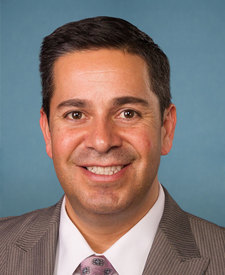
Ben Ray Luján
DIncumbentFEC S0NM00058
Sign in + take the quiz to see alignment.
Raised this cycle$6.5M
Cash on hand: $2.8M

2 candidates on the November ballot. Incumbent: Ben Ray Luján.
DeepSyte tracks the money and the record in every race against the issues you care about — not party, not press releases. Take the 2-minute values quiz to see your alignment.
Results appear here once a race is called and verified. Official returns from the New Mexico Secretary of State.
Sign in + take the quiz to see alignment.
Sign in + take the quiz to see alignment.
Sign in + take the quiz to see alignment.
A directional read on where this seat is trending, from the signals we have so far. This is an early scaffold — more inputs light up as coverage and constituent activity accrue.
Disclosed funding shaping this race — both the money candidates raise themselves and the outside spending dropped by independent groups. Issue-ad spending by 501(c)(4) groups is excluded; the FEC doesn't require disclosure of it. See the note below for details.
Candidate fundraising: FEC reports through October 14, 2026 · 2025–26 cycle
| Candidate | Raised directly | Outside for | Outside against | Net in corner |
|---|---|---|---|---|
Ben Ray Luján(D)incumbent + GIVEGREEN UNITED ACTION $311 + SIERRA CLUB INDEPENDENT ACTION $10 | $6.5M | $321 | — | $6.5M |
Larry E Marker(R) | $99K | — | — | $99K |
| Candidate | Raised directly | Outside for | Outside against | Net in corner |
|---|---|---|---|---|
Matt Dodson(D)defeated | $0 | — | — | $0 |
Share of each candidate's itemized individual contributions from donors inside NM versus the rest of the country. Excludes sub-$200 unitemized donations (no geography on file) and PAC money — see note below.
Candidate-direct is each campaign's reported receipts on FEC Schedule A — individual contributions plus PAC contributions to the candidate's own committee — through the most recent filing.
Outside spending is independent expenditures on FEC Schedule E: money spent by PACs, super PACs, and party committees for or against a candidate, without legal coordination with the campaign. The committees listed under each candidate are the largest disclosed spenders on either side.
In-state vs out-of-state covers only itemized individual contributions — donations over $200, which are the only ones that carry a contributor address at the FEC. Sub-$200 unitemized donations (often a large share for grassroots campaigns) have no geography on file and are excluded, as is PAC money. So the percentages describe where a candidate's itemized individual money comes from, not where every dollar raised comes from.
Not counted: 501(c)(4) "social welfare" organizations run issue ads that frequently mention candidates by name but aren't classified as express advocacy under FEC rules — they file no Schedule E and don't appear in this breakdown. Press reporting on a race may cite figures that include this dark-money spending; ours doesn't.
Positions extracted from each candidate's campaign issues page by AI. Contested rows — where candidates disagree with each other — appear first.
| Statement | Lujan | Marker | You |
|---|---|---|---|
Environment Government environmental reviews for energy and infrastructure projects should move faster, even if it means fewer reviews. | — | ||
Environment The government should stop subsidizing oil and gas companies. | — | ||
Environment Federal permitting and subsidies for new nuclear power plants should be expanded. | — | ||
Immigration The U.S. should do more to enforce immigration laws and secure the border. | — | ||
Labor Federal labor law should make it easier for workers to form unions (PRO Act-style reforms). | — | ||
Veterans Federal support for veterans exposed to burn pits and other toxic environments should be expanded. | — |
SupportsOpposesNo public positionRinged = confirmed by the campaign
Candidate roster is sourced from the FEC's active-candidate list for the 2026 cycle. Fundraising totals reflect committee filings through the last reporting period.
Alignment % compares the candidate's extracted policy positions against your quiz answers. Positions are pulled from the candidate's campaign issues page by AI; we save the source quote for each position so you can verify the extraction. Candidates without a campaign issues page show position data pending — we're working through the roster and re-checking stale extractions every 90 days.
News coverage is from the GDELT 2.0 global news feed, filtered to a curated list of national, political, and regional outlets.