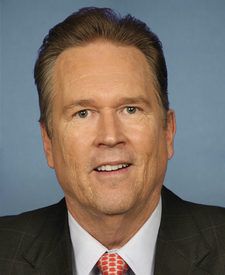
See how Vern Buchanan actually votes — against your values.
DeepSyte scores Vern Buchanan's record on the issues you care about — not party, not press releases. Take the 2-minute values quiz to see your personal alignment.
Sign in and take the values quiz to see how Vern Buchanan's votes line up with your views.
Prediction track record
How often we called Vern Buchanan's passage votes correctly, from their stated positions on each bill's tagged topics. Excludes “unclear” calls and abstentions.
15 predictions on record · none have been resolved by a passage vote yet. Check back as bills move.
A bill to provide for appropriate cost-sharing for insulin products covered under private health plans, and to establish a program to support health care providers and pharmacies in providing discounted insulin products to uninsured individuals.
Based on 2 data points across public statements and recorded votes · AI analysis of public records
118-hr-4531·Consistent
Support for Patients and Communities Reauthorization Act
72/100
What they said
Apr 21, 2026
Congressman Buchanan advocates for a prevention-focused health care system that prioritizes diet, nutrition, and early detection to reduce chronic disease and lower costs, rather than reactive treatment approaches.
Buchanan's statement emphasizes prevention, nutrition, and early detection to reduce chronic disease and lower health care costs. The bill addresses substance use disorder prevention, treatment, and recovery programs—a specific category of prevention and public health. Both align on prevention-focused approaches to health care, though the statement addresses chronic disease broadly (obesity, diabetes, heart disease) while the bill focuses narrowly on substance use disorders. The YES vote is consistent with a prevention-oriented health care philosophy, but the bill does not directly address the diet, nutrition, and obesity themes central to the statement.
Protecting Health Care for All Patients Act of 2023
35/100
What they said
Apr 21, 2026
Congressman Buchanan advocates for a prevention-focused health care system that prioritizes diet, nutrition, and early detection to reduce chronic disease and lower costs, rather than reactive treatment approaches.
Buchanan's statement emphasizes prevention, nutrition, and early detection as the foundation for reducing chronic disease and lowering health care costs. However, the bill he voted for reduces funding for the Prevention and Public Health Fund—the primary federal mechanism for prevention and public health initiatives—directly contradicting the stated priority. While the bill addresses other health policy questions (quality-adjusted life year pricing), the core tension on prevention funding is direct and specific.
Pairs with ambiguous language and high uncertainty are withheld until more data is available. Procedural, cloture, and amendment votes are excluded — they don't cleanly signal substantive support or opposition.
Pro analysis
AI rep analysis — Pro
Get an AI-narrated read on Vern Buchanan's full voting record against your stated values — aligned themes, conflicts, notable votes, and what to watch for.
We haven't extracted campaign positions for Vern Buchanan yet. Once their campaign website or position pages are processed, this card will track what they said vs how they voted.
Crossing the aisle
Passage votes where Vern Buchanan broke ranks with ≥75% of Republicans. Threshold catches substantively partisan splits; unanimous-ish or close votes are excluded.
Buchanan, Miller, Colleagues Introduce Resolution Recognizing Cancer Prevention and Early Detection Month
“For Too Long, Our Health Care System Has Focused on Treating Illness After the Fact Instead of Preventing It.”
Highlights the Life-Saving Role of Early Detection and Prevention in Reducing Cancer's Long-Term Impact
WASHINGTON — Congressman Vern Buchanan, Vice Chairman of the House Ways and Means Committee and Chairman of the Health Subcommittee, recently joined Congressman Max Miller in introducing a resolution recognizing Cancer Prevention and Early Detection Month, calling on Congress to reaffirm its commitment to expanding access to life-saving screenings and reducing the long-term burden of cancer on American families.
Joining Buchanan and Miller in co-leading the resolution are Reps. Jodey Arrington (R-Texas), Debbie Dingell (D-Mich.), Brian Fitzpatrick (R-Pa.), Terri Sewell (D-Ala.) and Debbie Wasserman Schultz (D-Fla.).
“Cancer touches nearly every family in America, and too many lives are lost because it isn’t caught early,” said Buchanan. “For too long, our health care system has focused on treating illness after the fact instead of preventing it. We must shift to prevention and early detection, giving patients more time, hope and options. Catching cancer early saves lives and reduces costs. I’m proud to join my colleagues in introducing this resolution to raise awareness. I will keep fighting to ensure every American has access to lifesaving screenings and tools.”
“With more than two million cancer diagnoses expected this year, we have a responsibility to act,” said Miller. “Early detection saves lives. This resolution reinforces our commitment to expanding access to screenings, promoting prevention, and ensuring that every American has the opportunity to catch cancer early, when it is most treatable. Cancer does not discriminate. By working together, we can raise awareness, expand access, and move closer to a future where cancer is caught earlier, treated more effectively, and ultimately prevented.”
“Too many families, including my own, have endured the pain of a cancer diagnosis that came too late,” said Fitzpatrick. “We cannot accept that as inevitable. Prevention, early detection, and strong investment in research are not peripheral to this fight—they are central to it. This resolution reflects a bipartisan commitment to act earlier, widen access to timely screening, and ensure more Americans have the benefit of earlier intervention and better outcomes.”
“Cancer Prevention and Early Detection Month is a reminder that we can save lives by acting early, investing in innovation, and ensuring people have access to the proper cancer screenings,” said Sewell. “That is why I was proud to champion the Nancy Gardner Sewell Multi-Cancer Early Detection Act, which was recently signed into law. As we mark this month, I remain committed to strengthening access to preventive care and supporting the scientific advances that bring us closer to a future where fewer families have to face a cancer diagnosis.”
“Almost 18 years ago, I heard the harrowing words, ‘you have breast cancer.’ Since my diagnosis, I've done all I can to make sure everyone can access lifesaving screenings,” said Wasserman Schultz. “Nobody should miss their chance at survival because they couldn't see a doctor. This bipartisan resolution reaffirms our steadfast commitment to promoting early detection and preventing cancer before it can ever take hold.”
With over 2 million cases of cancer diagnosed in 2025, the resolution underscores that prevention and early detection play a critical role in reducing the burden of cancer and improving long-term health outcomes for all Americans. Access to diagnosis at earlier, more treatable stages decreases the need for intensive intervention, supporting patients while lowering overall health care costs. Through collaboration and dedication, Congress can ensure that the life-saving benefits of modern cancer detection reach every American.
Original cosponsors include Reps. Aaron Bean (R-Fla.), Mike Carey (R-Ohio), Mike Lawler (R-NY), Carol Miller (R-W.Va.), Seth Moulton (D-Mass.), Maria Salazar (R-Fla.) and Claudia Tenney (R-N.Y.).
The resolution is supported by the Prevent Cancer Foundation, Susan G. Komen Breast Cancer Foundation and ZERO Prostate Cancer.
"Prevention and early detection are among the most effective ways to reduce the burden of cancer in our nation,” said Jody Hoyos, CEO, Prevent Cancer Foundation. “Routine screenings can lead to better outcomes, more treatment options, and more time with loved ones. This bipartisan resolution reflects a shared commitment to expanding access to these lifesaving tools and ensuring every American has the opportunity to detect cancer early and stay ahead of the disease.”
“We have made significant progress reducing breast cancer deaths over the last three decades thanks in large part to improved access to breast cancer screening and early detection,” said Molly Guthrie, vice president of policy and advocacy, Susan G. Komen Breast Cancer Foundation. “We applaud the leadership of this bipartisan group of lawmakers in recognizing the important role early detection plays and the work that remains to reduce the burden of cancer across our nation by ensuring access to early detection for all.”
“We know that the earlier you catch a cancer, the more likely you are to cure it,” said Theodoros N. Teknos, MD, President, University Hospitals Seidman Cancer Center. “Unfortunately, many cancers are detected in later stages, and it's much more difficult to cure a cancer when you catch it in an advanced stage. University Hospitals has invested heavily in early cancer detection because we know it’s critically important that we make early screening for cancer accessible to all.”
“Cancer prevention and early detection save lives—and they save healthcare costs,” said W. Kimryn Rathmell, MD PhD, CEO, James Cancer Hospital and Solove Research Institute & Director, The Ohio State University Comprehensive Cancer Center. “Recognizing April as Cancer Prevention and Early Detection Month affirms that everyone deserves the best possible cancer care, no matter where they live. Raising awareness and national attention is a critical step toward earlier diagnosis, better outcomes, and stronger, healthier communities.”
In addition to being the Vice Chairman and most senior Republican on the powerful U.S. House Ways and Means Committee, Buchanan is also the Chairman of the Health Subcommittee, which has broad jurisdiction over traditional Medicare, the Medicare prescription drug benefit program and Medicare Advantage. Buchanan has been a longtime champion of prevention and early detection, including introducing the Lung Cancer Screening and Prevention Act(H.R. 1405) to expand access to lung cancer screenings and the ASAP Act (H.R. 6130), which would expand access to blood-based biomarker testing and improve early diagnosis for patients.
Awards Presented to 287 School Employees in the 16th District BRADENTON, Fla. — Today, Congressman Vern Buchanan...
“Families Across America Deserve Transparency When Bringing a New Pet into Their Home, And Breeders Should Be Held...
“We Must Prioritize Prevention as a Key to Reversing Trends in Heart Disease, Obesity and Diabetes.” Highlights...
“In Fact, Nearly $200 Billion in Goods Flow from Florida’s airports and Seaports Each Year.” Highlights Progress...
“Earth Day Is the Perfect Opportunity to Advance Commonsense Solutions That Ensure the Future of Our Nation’s...
“The U.S. is Spending $5.3 Trillion on Health Care and Getting Sicker as a Nation.” Highlights Ongoing Work on...
“Eating Real Food is a Key Component to Preventing and Reducing Chronic Diseases.” Discusses Need for Prevention,...
“Protecting America’s Horses from Slaughter Is a Commonsense, Bipartisan Priority That Reflects Our Values as a...
“Establishing A Kidney Health Officer at HHS Would Build on Existing Efforts, Strengthen Prevention Strategies and...
“What we serve patients matters as much as their prescriptions.” Announcements Made During ‘Take Back Your Health’...
“You Need to be, in Today's World, the CEO of Your Own Health” Advocates for ASAP Act, Early Screening and...
“Florida Has Led the Way in Addressing Emerging Drug Threats, But We Need a Clear, Nationwide Standard to Prevent...
ICYMI: Buchanan Highlights HHS Secretary Kennedy’s Crucial Work Fixing America’s Broken Health Care System
Position: Congressman Buchanan advocates for a prevention-focused health care system that prioritizes diet, nutrition, and early detection to reduce chronic disease and lower costs, rather than reactive treatment approaches.
“The U.S. is Spending $5.3 Trillion on Health Care and Getting Sicker as a Nation.”
Highlights Ongoing Work on Prevention, Nutrition and Early Detection to Improve Outcomes and Lower Costs
WASHINGTON — Today, Congressman Vern Buchanan, Vice Chairman of the House Ways and Means Committee and Chairman of the Health Subcommittee, questioned the U.S. Department of Health and Human Services (HHS) Secretary Robert F. Kennedy Jr. during a full committee hearing on the state of the nation’s health care system, building on their ongoing efforts to address chronic disease and shift toward a prevention-focused model of care.
During the hearing, Buchanan highlighted the growing health and financial burden facing Americans while pointing to progress already underway to improve outcomes through prevention, nutrition and early detection.
Buchanan emphasized that chronic disease, driven in part by poor diet and ultra-processed foods, is at the root of rising costs and worsening outcomes, and underscored the importance of continuing to build on recent efforts to promote healthier, longer living.
Click here to watch Congressman Buchanan’s remarks.
Here’s what Buchanan said about improving health outcomes in America:
On prevention as the foundation of health
Buchanan: “I want to thank Secretary Kennedy for your leadership. It’s been incredible. … The U.S. is spending $5.3 trillion on health care and getting sicker as a nation. 6 in 10 Americans and 95 percent of Medicare beneficiaries have at least one chronic disease. Roughly half of the adult population is projected to be obese by the end of this decade. I believe this problem stems from unhealthy and ultra-processed foods, and I applaud HHS and its continued support and leadership on this issue.
“We must prioritize prevention as the key to reversing trends in heart disease, obesity and diabetes. I believe the best way to bend the cost curve is by making sure people don’t get sick in the first place. I like to say to people … you need to be the CEO of your own health, and I think that’s critical.
“Mr. Secretary, I appreciate our strong partnership in advancing the health of this country. I look forward to continuing to work together to support a health care system that values prevention, not reaction. … Together, we’ve accomplished so many things to support health and prevention. For example, we’ve worked on a new food pyramid—real food, cutting ultra-processed food and we’ve also brought back the Presidential Fitness Test, which I’m excited about. … What do you think we could be doing more of in that space in terms of diet and exercise?”
Kennedy: “Flipping the food pyramid and issuing new dietary guidelines was the beginning. When I came into office, I was handed dietary guidelines developed by the Biden administration. They were 453 pages long, they were incomprehensible, they were written by food industry lobbyists, and reflected the mercantile impulses that had driven Fruit Loops to the top of the food pyramid. Fruit Loops isn’t even a food—it’s just poison.
“We brought together the best nutritionists in this country, from the best universities… a dozen of them worked for 11 months to reform the dietary guidelines and offered, for the first time, not dogma-based guidelines but science-based guidelines. Every recommendation is cited and sourced to multiple peer-reviewed publications. That’s the beginning. The next part is to drive those changes into dietary culture in our country.”
On screening and early detection
Buchanan: “I’m deeply passionate about promoting access to screening as a way to prevent diseases. Through my personal experience with Alzheimer’s and lung cancer, I’ve become a strong believer in the power of detection and prevention. I’d like to get your thoughts.”
Kennedy: “Screening for prevention is absolutely critical. We are forming now the USPSTF, which is the committee that decides on new procedures and interventions that need to get CMS compensation. That committee has been lackadaisical and negligent for 20 years. We’re now bringing new members on with a clear mission. We’re going to have much more frequent meetings… and, for the first time, transparency. We’re making huge investments at NIH and elsewhere… doing the kind of science we need to do better screening for Alzheimer’s.”
In addition to being the Vice Chairman and most senior Republican on the powerful U.S. House Ways and Means Committee, Buchanan is also the Chairman of the Health Subcommittee, which has broad jurisdiction over traditional Medicare, the Medicare prescription drug benefit program and Medicare Advantage.
Awards Presented to 287 School Employees in the 16th District BRADENTON, Fla. — Today, Congressman Vern Buchanan...
“Families Across America Deserve Transparency When Bringing a New Pet into Their Home, And Breeders Should Be Held...
“We Must Prioritize Prevention as a Key to Reversing Trends in Heart Disease, Obesity and Diabetes.” Highlights...
“In Fact, Nearly $200 Billion in Goods Flow from Florida’s airports and Seaports Each Year.” Highlights Progress...
“Earth Day Is the Perfect Opportunity to Advance Commonsense Solutions That Ensure the Future of Our Nation’s...
“For Too Long, Our Health Care System Has Focused on Treating Illness After the Fact Instead of Preventing It.”...
“Eating Real Food is a Key Component to Preventing and Reducing Chronic Diseases.” Discusses Need for Prevention,...
“Protecting America’s Horses from Slaughter Is a Commonsense, Bipartisan Priority That Reflects Our Values as a...
“Establishing A Kidney Health Officer at HHS Would Build on Existing Efforts, Strengthen Prevention Strategies and...
“What we serve patients matters as much as their prescriptions.” Announcements Made During ‘Take Back Your Health’...
“You Need to be, in Today's World, the CEO of Your Own Health” Advocates for ASAP Act, Early Screening and...
“Florida Has Led the Way in Addressing Emerging Drug Threats, But We Need a Clear, Nationwide Standard to Prevent...
ICYMI: Buchanan Chairs Health Subcommittee Field Hearing on Prevention and Modernized Health Care in Southwest Florida
Position: Congressman Buchanan advocates for a shift toward prevention-focused healthcare that emphasizes nutrition, early screening, and improved physician education on nutritional medicine to reduce chronic disease burden.
“Eating Real Food is a Key Component to Preventing and Reducing Chronic Diseases.”
Discusses Need for Prevention, Nutrition, Screening and Innovative Solutions to Improve Health Outcomes
BRADENTON, Fla. — Today, Congressman Vern Buchanan, Vice Chairman of the House Ways and Means Committee and Chairman of the Health Subcommittee, led a field hearing in Florida’s 16th Congressional District examining how prevention, coordinated care and innovative approaches can help Americans live healthier lives.
During the hearing, Buchanan emphasized the growing health and financial burden of chronic disease in the United States and the urgent need to shift toward a prevention-focused health care system.
Witnesses included Dr. Mark Kauffman, Dean of Academic Affairs at Lake Erie College of Osteopathic Medicine; Dr. Christopher Davis, Founder of Reveal Vitality and Longevity Institute; Dr. Stelios Rekkas, Medical Director at Manatee Surgical Alliance; Dr. Patrick Hwu, President and CEO of Moffitt Cancer Center; and Mr. Scott Darius, Executive Director of Florida Voices for Health.
Click here to watch Congressman Buchanan’s remarks and the full field hearing.
Here’s what Buchanan said about improving health outcomes in America:
On prevention and nutrition as the foundation of health
Buchanan: “I’m so proud to be able to highlight work that’s being done in this region. … Let me just ask a couple of quick questions by a show of hands. Please raise your hand if you believe … eating real food is a key component to preventing and reducing chronic diseases.
“Second, keep your hands raised if you believe we could do a better job educating physicians and patientsabout the importance of nutrition.
“And finally, keep your hands raised if you think insurance, Medicare and other programs sufficiently cover prevention and detection tools today.
“Well, that tells the story right there.”
On screening and early detection
Buchanan: “Dr. Davis, … in terms of the longevity component, prevention … how do you explain what that means and how does that play out with your practice?”
Dr. Davis: “I would say that 90 plus percent of all chronic disease is caused by toxins that we are exposed to in our environment. … Those toxins, those pesticides, … those are the things that we see that cause oxidative stress, that actually contribute to chronic illness, and it diminishes our longevity. … Longevity is not living longer. It’s thriving. … We have to wake up, and we have to start looking at where the true causes are.”
On prevention and medical education
Buchanan: “Dr. Kaufman, you talked about nutritional training for physicians. What does that mean today here at your facility, LECOM?”
Dr. Kaufman: “We have a very unique curriculum here at LECOM Bradenton, … and part of that is problem-based learning. … It’s more than just the symptom and the diagnosis; it’s delving into a lifestyle and the nutritional component that goes with it. We do have nutrition in our programs, and … we have committed to expanding our curriculum already. … It’s really a refocusing on prevention instead of reactive medicine. It’s much more expensive to treat the heart attack. It’s much more expensive in terms of their quality of life after they’ve had a heart attack than it is to prevent it in the first place. … Each disease process is not only treatable but preventable.”
On the importance of early intervention
Buchanan: “I believe screening is a critical component of preventing diseases. In the House, I lead bills to increase screening on … lung cancer and Alzheimer's disease. I know we have advocates in attendance today supporting these bills, and I want to thank them for all their support over the years.”
On prevention vs. reaction in health care
Buchanan: “Dr. Hwu, … You said 50 percent get screened early, but I’ve also heard the number that 95 percent, if they catch [cancer] early, … there’s a high probability you can take advantage of that and live a normal life for a long time. What’s your sense in terms of screening? I tell everybody, get a physical once a year in January, at minimum, … My mom, unfortunately, had colon cancer. By the time we went in, it was so advanced, you couldn’t do much with it. The idea of prevention, especially one of my bills is on lung [cancer] prevention, trying to catch that early. I lost my assistant to lung cancer and her husband. … We’ve got to do a better job of educating and getting people out there to do the right things.”
Dr. Hwu: “You are absolutely correct. If we can screen and catch cancer early, we can cure the cancer. I treat melanoma. Melanoma starts in the skin from sunburns, and it can go to almost any organ in the body. But if we catch it early and cut it out, it’s almost always cured at an early stage. The key is to catch these cancers early. … Thank you for your emphasis and your support of prevention and screening.”
In addition to being the Vice Chairman and most senior Republican on the powerful U.S. House Ways and Means Committee, Buchanan is also the Chairman of the Health Subcommittee, which has broad jurisdiction over traditional Medicare, the Medicare prescription drug benefit program and Medicare Advantage.
Awards Presented to 287 School Employees in the 16th District BRADENTON, Fla. — Today, Congressman Vern Buchanan...
“Families Across America Deserve Transparency When Bringing a New Pet into Their Home, And Breeders Should Be Held...
“We Must Prioritize Prevention as a Key to Reversing Trends in Heart Disease, Obesity and Diabetes.” Highlights...
“In Fact, Nearly $200 Billion in Goods Flow from Florida’s airports and Seaports Each Year.” Highlights Progress...
“Earth Day Is the Perfect Opportunity to Advance Commonsense Solutions That Ensure the Future of Our Nation’s...
“For Too Long, Our Health Care System Has Focused on Treating Illness After the Fact Instead of Preventing It.”...
“The U.S. is Spending $5.3 Trillion on Health Care and Getting Sicker as a Nation.” Highlights Ongoing Work on...
“Protecting America’s Horses from Slaughter Is a Commonsense, Bipartisan Priority That Reflects Our Values as a...
“Establishing A Kidney Health Officer at HHS Would Build on Existing Efforts, Strengthen Prevention Strategies and...
“What we serve patients matters as much as their prescriptions.” Announcements Made During ‘Take Back Your Health’...
“You Need to be, in Today's World, the CEO of Your Own Health” Advocates for ASAP Act, Early Screening and...
“Florida Has Led the Way in Addressing Emerging Drug Threats, But We Need a Clear, Nationwide Standard to Prevent...
Buchanan, Doggett Lead Effort to Establish ‘Kidney Health Officer’ to Improve Prevention and Innovation
Position: The lawmakers urge the Department of Health and Human Services to establish a dedicated Officer of Kidney Health and Transplantation to coordinate federal efforts on chronic kidney disease prevention, research, and care across agencies.
“Establishing A Kidney Health Officer at HHS Would Build on Existing Efforts, Strengthen Prevention Strategies and Help Ensure Patients Have Access to Care Sooner.”
Lawmakers Partner with HHS to Advance Prevention, Innovation and Care for Millions with Chronic Kidney Disease
WASHINGTON — Congressman Vern Buchanan, Vice Chairman of the House Ways and Means Committee and Chairman of the Health Subcommittee, and Congressman Lloyd Doggett (D-Texas), Ranking Member of the House Ways & Means Health Subcommittee, led a bipartisan letter urging the Department of Health and Human Services (HHS) to establish an Officer of Kidney Health and Transplantation to strengthen federal efforts to prevent and treat chronic kidney disease (CKD), which affects more than 37 million Americans.
The lawmakers are working with HHS to build on ongoing efforts by creating a centralized leadership role to better coordinate kidney care, research, education and quality initiatives across federal agencies, including the Centers for Medicare & Medicaid Services (CMS). The proposal follows recommendations from the Health Subcommittee’s recent hearing on improving kidney health through prevention and innovation.
“Kidney disease is a growing challenge in our country, and we have an opportunity to work together to better support patients through stronger coordination and prevention,” said Buchanan. “Establishing a Kidney Health Officer at HHS would build on existing efforts, strengthen prevention strategies and help ensure patients have access to care sooner. We can’t afford to wait until lives are at risk—prevention must come first to stop kidney disease before it takes hold.”
“We cannot continue to treat kidney disease with 1970s-era solutions,” said Doggett. “Establishing an Officer of Kidney Health and Transplantation could provide leadership to transform kidney disease from an expensive, life-threatening burden into a manageable condition, while saving both taxpayer dollars and, more importantly, American lives.”
“A central office at HHS expressly focused on advancing kidney health could provide much-needed holistic oversight of CKD prevention work, while advancing innovation in a sector that is so desperately in need of change,” write the lawmakers in the letter. “As the risk factors for CKD include many common chronic conditions that are on the rise across the United States—including diabetes, high blood pressure, heart disease, and obesity—the work of such an office will become all the more relevant in the coming years, aligning with an agenda to advance prevention broadly.”
Chronic kidney disease remains one of the most significant and costly health challenges in the United States, with federal spending reaching an estimated $150 billion annually. The lawmakers emphasized that continued progress in innovation, prevention and early detection will be critical to improving outcomes and reducing long-term costs. They also noted that kidney disease is often linked to other common conditions, including diabetes, high blood pressure, heart disease and obesity, underscoring the importance of early screening, preventive care and patient education.
In addition to being the Vice Chairman and most senior Republican on the powerful U.S. House Ways and Means Committee, Buchanan is also the Chairman of the Health Subcommittee, which has broad jurisdiction over traditional Medicare, the Medicare prescription drug benefit program and Medicare Advantage.
Read the full letter here or below:
Dear Secretary Kennedy and Administrator Oz,
The Committee on Ways and Means Health Subcommittee held a hearing on March 18, 2026, entitled “Improving Kidney Health Through Better Prevention and Innovative Treatment,” that examined the barriers the 37 million Americans with Chronic Kidney Disease (CKD) experience in accessing care to slow the progression of the disease before it becomes irreversible. In her written testimony, Suzanne Watnick, M.D., representing the American Society of Nephrology, called on the Department of Health and Human Services (HHS) to establish an Officer of Kidney Health and Transplantation that could “coordinate kidney care, research, education, value, and quality across the myriad HHS agencies with a role in kidney health, aligning incentives, reducing duplicative or misaligned efforts, and ensuring a shared strategy for kidney health in the United States.” Such an individual could work closely with the Centers for Medicare & Medicaid Services (CMS) to reduce the need for End-Stage Renal Disease (ESRD) services covered through Medicare and ultimately improve patients’ long-term outcomes, while reducing costs.
Across statements from the four witnesses who participated in the hearing, one theme was clear: Innovation in the kidney sector is virtually non-existent, with treatment modalities remaining largely unchanged since Medicare began paying for dialysis treatment services for individuals with ESRD in 1973. This reality stems from both the lack of research investment in this sector, as well as market and payment incentives that support the status quo. Kidney disease costs the federal government $150 billion annually, and yet research in cures is drastically underfunded, representing just two percent of National Institutes of Health funding. And even when innovation comes to market, the incentives in place limit meaningful patient access. We can and should do more to support the millions of individuals who suffer from kidney disease, through investing in research while also ensuring access to preventive medical care, proper screening, and lifestyle- and diet-related education to advance early detection and halt the disease before it turns into ESRD.
A central office at HHS expressly focused on advancing kidney health could provide much-needed holistic oversight of CKD prevention work, while advancing innovation in a sector that is so desperately in need of change. As the risk factors for CKD include many common chronic conditions that are on the rise across the United States—including diabetes, high blood pressure, heart disease, and obesity—the work of such an office will become all the more relevant in the coming years, aligning with an agenda to advance prevention broadly.
We think this officer could be a step toward helping the millions of Americans who suffer from kidney disease every year, and we hope you will seriously consider this suggestion. We look forward to hearing from you and stand ready to support this important initiative.
Awards Presented to 287 School Employees in the 16th District BRADENTON, Fla. — Today, Congressman Vern Buchanan...
“Families Across America Deserve Transparency When Bringing a New Pet into Their Home, And Breeders Should Be Held...
“We Must Prioritize Prevention as a Key to Reversing Trends in Heart Disease, Obesity and Diabetes.” Highlights...
“In Fact, Nearly $200 Billion in Goods Flow from Florida’s airports and Seaports Each Year.” Highlights Progress...
“Earth Day Is the Perfect Opportunity to Advance Commonsense Solutions That Ensure the Future of Our Nation’s...
“For Too Long, Our Health Care System Has Focused on Treating Illness After the Fact Instead of Preventing It.”...
“The U.S. is Spending $5.3 Trillion on Health Care and Getting Sicker as a Nation.” Highlights Ongoing Work on...
“Eating Real Food is a Key Component to Preventing and Reducing Chronic Diseases.” Discusses Need for Prevention,...
“Protecting America’s Horses from Slaughter Is a Commonsense, Bipartisan Priority That Reflects Our Values as a...
“What we serve patients matters as much as their prescriptions.” Announcements Made During ‘Take Back Your Health’...
“You Need to be, in Today's World, the CEO of Your Own Health” Advocates for ASAP Act, Early Screening and...
“Florida Has Led the Way in Addressing Emerging Drug Threats, But We Need a Clear, Nationwide Standard to Prevent...
Source: GDELT 2.0 GKG, filtered to a curated list of national outlets. Inclusion is not endorsement; opinion pieces and reported news are mixed.
Recent stock activity
Periodic transaction reports filed under the STOCK Act — disclosed by the rep, sourced from public filings.
No disclosed trades on record.
Source: open-data mirrors of the Senate eFD and House Clerk financial-disclosure systems. Disclosure within 30 days of trade is required by law (45 for spouse/dependent trades).
Top PAC donors · 2026 cycle
Political action committees that gave the most to this rep's principal campaign committee this cycle. PAC giving is direct organizational support — industry, ideological, or leadership.
1.VOTESANE PACIdeological43 contributionsSingle-issue advocacy PAC — supports candidates based on positions related to mental health, healthcare policy, or rational governance approaches.AI · low$570,500
2.AMERICAN ISRAEL PUBLIC AFFAIRS COMMITTEE POLITICAL ACTION COMMITTEEIdeological11 contributionsPAC arm of the American Israel Public Affairs Committee, federalized in 2021. Backs candidates of both parties who support U.S.-Israel security and economic ties.AI$151,525
Source: OpenFEC (api.open.fec.gov) Schedule A receipts where contributor type is “committee.” Aggregated by contributing committee. Self-transfers from joint-fundraising / victory committees are excluded.
Top individual contributors · 2026 cycle
Itemized individual contributions over $200 to this rep's campaign committee, aggregated by donor employer. PAC giving is shown above; this section is people, not organizations.
1.PHILANTHROPIST$12,000
2.SELF$10,638
3.MCIVER CLINIC$7,500
4.PACIFIC TOMATE GROWERS LTD$7,000
5.WESTCOAST TOMATO$7,000
6.MOBLEY HOLDINGS$7,000
7.NORWEGIAN CRUISE LINE HOLDINGS LTD$7,000
8.SARASOTA BROOKSIDE ELEMENTARY$7,000
9.MICROSOFT CORPORATION$7,000
10.ADVOCATE HEALTH ADVISORS$7,000
Source: OpenFEC Schedule A receipts where contributor type is “individual,” aggregated by the donor's self-reported employer. This is a geographic / industry correlation, not a corporate endorsement.