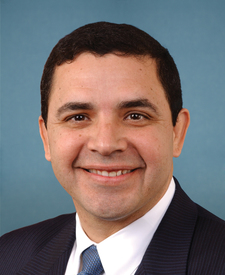
See how Henry Cuellar actually votes — against your values.
DeepSyte scores Henry Cuellar's record on the issues you care about — not party, not press releases. Take the 2-minute values quiz to see your personal alignment.
Sign in and take the values quiz to see how Henry Cuellar's votes line up with your views.
Prediction track record
How often we called Henry Cuellar's passage votes correctly, from their stated positions on each bill's tagged topics. Excludes “unclear” calls and abstentions.
To prohibit the disclosure of records by the Secretary of Housing and Urban Development of individuals for the purposes of immigration enforcement, and for other purposes.
Based on 11 data points across public statements and recorded votes · AI analysis of public records
118-hr-5717·Notable gap
No Bailout for Sanctuary Cities Act
15/100
What they said
Feb 23, 2026
The representatives and local officials oppose a proposed ICE processing facility in San Antonio, citing lack of community consultation, concerns about infrastructure capacity, public safety impacts, and questioning the responsible use of taxpayer dollars.
The statement opposes a proposed ICE detention facility in San Antonio, citing lack of community consultation and concerns about responsible use of taxpayer dollars. The bill penalizes sanctuary jurisdictions that do not cooperate with ICE detainers and immigration information-sharing. The rep voted yes on a bill that strengthens ICE's enforcement tools and penalizes non-cooperation with immigration enforcement, directly contradicting the stated opposition to ICE expansion and detention operations in the community.
The representatives and local officials oppose a proposed ICE processing facility in San Antonio, citing lack of community consultation, concerns about infrastructure capacity, public safety impacts, and questioning the responsible use of taxpayer dollars.
The statement opposes an ICE detention facility expansion in San Antonio, citing lack of community consultation and concerns about responsible use of taxpayer dollars. The Secure the Border Act of 2023 is a comprehensive immigration enforcement bill that expands border wall construction and strengthens immigration enforcement mechanisms. The rep's NO vote on this broad enforcement bill is generally consistent with the statement's skepticism toward large-scale immigration enforcement infrastructure and spending, though the bill does not specifically address the San Antonio ICE facility proposal. The consistency is directional rather than specific-question-matched.
The representatives and local officials oppose a proposed ICE processing facility in San Antonio, citing lack of community consultation, concerns about infrastructure capacity, public safety impacts, and questioning the responsible use of taxpayer dollars.
The statement opposes ICE enforcement expansion and detention facility construction, expressing concerns about mass deportation operations and detention of immigrants. The bill increases criminal penalties for illegal entry and reentry, directly advancing the enforcement and detention infrastructure that the statement criticizes. The rep voted yes on an amendment to this enforcement-focused bill, which contradicts the stated opposition to ICE detention expansion and mass deportation policies.
The representatives and local officials oppose a proposed ICE processing facility in San Antonio, citing lack of community consultation, concerns about infrastructure capacity, public safety impacts, and questioning the responsible use of taxpayer dollars.
The statement opposes ICE detention facility expansion and questions the responsible use of taxpayer dollars on immigration enforcement infrastructure. The bill makes Social Security and identity document fraud grounds for deportation, directly expanding ICE's enforcement authority and the population subject to removal proceedings—the opposite direction from the stated opposition to ICE facility expansion. Rep. Cuellar's explicit concern about 'responsible use of taxpayer dollars' on ICE operations is directly contradicted by voting to expand the legal grounds for deportations that would require ICE processing capacity.
Detain and Deport Illegal Aliens Who Assault Cops Act
25/100
What they said
Feb 23, 2026
The representatives and local officials oppose a proposed ICE processing facility in San Antonio, citing lack of community consultation, concerns about infrastructure capacity, public safety impacts, and questioning the responsible use of taxpayer dollars.
The statement opposes a proposed ICE detention facility in San Antonio, citing lack of community consultation and concerns about responsible use of taxpayer dollars. The bill mandates DHS detention of non-U.S. nationals arrested for assaulting law enforcement. The rep voted yes on a bill that expands ICE detention authority and capacity—directly contrary to the stated opposition to ICE facility expansion. While the bill targets a specific crime category, it increases the detention infrastructure and authority that the statement opposes.
The representatives and local officials oppose a proposed ICE processing facility in San Antonio, citing lack of community consultation, concerns about infrastructure capacity, public safety impacts, and questioning the responsible use of taxpayer dollars.
The statement opposes a specific ICE detention facility proposal in San Antonio, citing lack of community consultation and concerns about responsible use of taxpayer dollars. The bill requires DOJ reporting on Biden-era border policies' impact on law enforcement. The rep voted YES on a bill that implicitly frames border enforcement as a law-enforcement resource issue, which contradicts the statement's opposition to ICE detention expansion and skepticism about the responsible use of detention-related spending. The vote supports a framing that prioritizes law enforcement impacts of border policy, while the statement emphasizes community harm and fiscal irresponsibility of detention infrastructure.
The representatives and local officials oppose a proposed ICE processing facility in San Antonio, citing lack of community consultation, concerns about infrastructure capacity, public safety impacts, and questioning the responsible use of taxpayer dollars.
The statement opposes an ICE detention facility expansion in San Antonio, citing lack of community consultation and concerns about responsible use of taxpayer dollars. The Laken Riley Act mandates DHS detention of non-U.S. nationals arrested for certain property crimes and authorizes state litigation over immigration enforcement decisions—policies that would expand ICE detention capacity and enforcement. The rep voted yes on a bill that directly advances the detention infrastructure and enforcement mechanisms the statement opposes.
The representatives and local officials oppose a proposed ICE processing facility in San Antonio, citing lack of community consultation, concerns about infrastructure capacity, public safety impacts, and questioning the responsible use of taxpayer dollars.
The statement opposes ICE enforcement activities and questions the responsible use of taxpayer dollars for immigration enforcement infrastructure. The bill expands deportation grounds for assaults on law enforcement, which facilitates ICE enforcement operations. The rep voted yes on a bill that strengthens ICE's deportation authority while simultaneously opposing ICE's facility expansion. This represents a direct contradiction on the underlying question of whether to expand ICE's enforcement capacity and resources.
Continuing Appropriations and Border Security Enhancement Act, 2024
75/100
What they said
Feb 23, 2026
The representatives and local officials oppose a proposed ICE processing facility in San Antonio, citing lack of community consultation, concerns about infrastructure capacity, public safety impacts, and questioning the responsible use of taxpayer dollars.
The statement opposes a specific ICE detention facility proposal in San Antonio, citing lack of community consultation and concerns about responsible use of taxpayer dollars. The bill is a broad continuing appropriations measure that includes provisions limiting asylum eligibility and restricting DHS use of funds for certain immigration purposes. Rep. Cuellar's NO vote on the overall CR is generally consistent with opposition to expanded immigration enforcement spending, though the bill bundles multiple agencies and programs. The statement does not directly address the asylum restrictions or other specific provisions in the bill, creating some ambiguity about whether the vote reflects opposition to ICE detention facility funding specifically or to the bill's broader immigration and appropriations provisions.
Department of Homeland Security Appropriations Act, 2025
75/100
What they said
Feb 23, 2026
The representatives and local officials oppose a proposed ICE processing facility in San Antonio, citing lack of community consultation, concerns about infrastructure capacity, public safety impacts, and questioning the responsible use of taxpayer dollars.
The statement opposes a specific ICE detention facility proposal in San Antonio, citing lack of community consultation and concerns about responsible use of taxpayer dollars. The bill is a broad DHS appropriations measure that funds ICE operations generally, including detention and enforcement activities. The rep's NO vote on the appropriations bill is directionally consistent with opposition to ICE detention expansion, though the bill does not specifically address the San Antonio facility or community consultation requirements. The vote reflects a broader stance against ICE funding rather than a direct response to the specific facility proposal.
Department of Homeland Security Appropriations Act, 2024
75/100
What they said
Feb 23, 2026
The representatives and local officials oppose a proposed ICE processing facility in San Antonio, citing lack of community consultation, concerns about infrastructure capacity, public safety impacts, and questioning the responsible use of taxpayer dollars.
The statement opposes a specific ICE detention facility proposal in San Antonio, citing lack of community consultation and concerns about responsible use of taxpayer dollars. The bill is a broad DHS appropriations measure that funds ICE operations among many other agencies and functions. The rep's NO vote on the appropriations bill is generally consistent with opposition to ICE expansion and detention facility spending, though the bill does not specifically address the San Antonio facility proposal. The vote reflects a broader stance against ICE funding rather than a direct response to the particular facility.
Pairs with ambiguous language and high uncertainty are withheld until more data is available. Procedural, cloture, and amendment votes are excluded — they don't cleanly signal substantive support or opposition.
Pro analysis
AI rep analysis — Pro
Get an AI-narrated read on Henry Cuellar's full voting record against your stated values — aligned themes, conflicts, notable votes, and what to watch for.
Positions Henry Cuellar took during their campaign, scored against their subsequent record — public statements cross-checked with related votes. “Kept” means 80%+ of those statement-vs-vote pairs aligned; “Broken” means 30% or fewer.
0 kept0 broken1 mixed0 no action yet
MixedSupports
The U.S. should do more to enforce immigration laws and secure the border.
Passage votes where Henry Cuellar broke ranks with ≥75% of Democrats. Threshold catches substantively partisan splits; unanimous-ish or close votes are excluded.
50
Cross-aisle votes
119-hjres-213·Sep 16, 2026·98% of D voted NO
Providing for congressional disapproval under chapter 8 of title 5, United States Code, of the rule issued by the Environmental Protection Agency relating to the "California State Nonroad Engine Pollution Control Standards; Commercial Harbor Craft Regulations; Notice of Decision".
Providing for congressional disapproval under chapter 8 of title 5, United States Code, of the rule submitted by the Environmental Protection Agency relating to "California State Nonroad Engine Pollution Control Standards; Ocean-Going Vessels At-Berth; Notice of Decision".
Rep. Cuellar Commends End to 76-Day DHS Shutdown, Restored Pay for Frontline Personnel
Subscribe to receive the latest news, insights,
and updates directly to your inbox.
Today, U.S. Congressman Henry Cuellar, Ph.D. (TX-28), Ranking Member of the Homeland Security Appropriations Subcommittee, released the following statement after the House moved by voice vote to fund the Department of Homeland Security (DHS) and end the 76-day shutdown:
“I welcome this long-overdue, bipartisan step to reopen DHS and make sure our workforce receives the pay they earned. This welcome action ends a 76-day shutdown and delivers certainty for the frontline personnel who protect our country and serve our communities every day.
“Our frontline personnel never stepped back from their mission. They secured our airports, responded to disasters, protected major events, and defended critical infrastructure across the nation. Here in South Texas, families rely on their work every single day, and they kept showing up no matter what.
“I made clear throughout this process that homeland security funding carries real consequences for our communities. A shutdown delays emergency response, weakens cyber defenses, and creates unnecessary strain on the workforce families who keep our country safe.
“As a senior appropriator, I’ll keep fighting to deliver results for South Texas, support our workforce, and ensure our national security agencies have the resources they need to succeed.”
Congressman Henry Cuellar, Ph.D. is a senior member of the U.S. House Appropriations Committee. Previously, he served as a Texas State Representative and Texas Secretary of State.
Sign up to receive Dr. Cuellar’s Email Newsletters.
Click here for Dr. Cuellar's Facebook, X, or YouTube Channel.
PARA PUBLICACIÓN INMEDIATA
Jueves, 30 de abril de 2026
Matthew Landini, Director de Comunicaciones
matt@mail.house.gov
Cell: (216) 952-8227
Fernanda Nunez-Cazares, Secretaria de prensa del distrito
fernanda.nunez-cazares@mail.house.gov
Cell: (619) 209-1834
El congresista Cuellar reconoce el fin del cierre de 76 días del DHS y la restauración del salario para el personal de primera línea
Washington, D.C. – Hoy, el congresista estadounidense, el Dr. Henry Cuellar (TX-28), emitió la siguiente declaración después de que la Cámara de Representantes aprobara, por votación de voz, legislación para financiar el Departamento de Seguridad Nacional (DHS, por sus siglas en inglés) y poner fin al cierre de 76 días:
“Doy la bienvenida a este paso bipartidista, esperado desde hace tiempo, para reabrir el DHS y asegurar que nuestra fuerza laboral reciba el salario que se ha ganado. Esta acción pone fin a un cierre de 76 días y brinda certeza al personal de primera línea que protege a nuestro país y sirve a nuestras comunidades todos los días.
“Nuestro personal de primera línea nunca se apartó de su misión. Aseguraron nuestros aeropuertos, respondieron a desastres, protegieron eventos importantes y defendieron infraestructura crítica en todo el país. Aquí en el sur de Texas, las familias dependen de su trabajo todos los días, y ellos continuaron cumpliendo sin importar las circunstancias.
“Dejé claro durante todo este proceso que el financiamiento de la seguridad nacional tiene consecuencias reales para nuestras comunidades. Un cierre retrasa la respuesta a emergencias, debilita las defensas cibernéticas y genera presión innecesaria sobre las familias de los trabajadores que mantienen seguro a nuestro país.
“Como miembro de alto rango del comité de asignaciones, seguiré luchando para brindar resultados a la región del sur de Texas, apoyar a nuestra fuerza laboral y garantizar que nuestras agencias de seguridad nacional cuenten con los recursos que necesitan para tener éxito.”
El congresista Henry Cuellar es miembro del Comité de Asignaciones de la Cámara de Representantes de Estados Unidos. Anteriormente, fue Representante del Estado de Texas y Secretario de Estado de Texas.
Inscríbase para recibir el boletín del Dr. Cuellar E-mail Newsletters
Haga clic aquí para ver la página del Dr. Cuéllar Facebook, X, o en YouTube Channel
Congressmen Cuellar, Castro Champion JBSA-Lackland as Top Candidate for SPACEFOR-CYBER Mission
Subscribe to receive the latest news, insights,
and updates directly to your inbox.
WASHINGTON, D.C. – Today, Congressmen Henry Cuellar, Ph.D. (TX-28), Ranking Member of the House Appropriations Subcommittee on Homeland Security and a senior member of the House Appropriations Subcommittee on Defense, and Joaquin Castro (TX-20), Ranking Member of the House Foreign Affairs Committee’s Subcommittee on the Western Hemisphere, welcomed the Department of the Air Force’s decision to name Joint Base San Antonio-Lackland as a candidate location for the SPACEFOR-CYBER mission and highlighted the region’s strategic role in cybersecurity and national defense.
The Air Force continues evaluating JBSA-Lackland alongside Fort George G. Meade to host a critical component supporting U.S. Cyber Command. The designation reflects San Antonio’s strong cyber workforce, advanced infrastructure, and leadership in military and intelligence operations.
If selected, the mission would generate new jobs, expand economic activity, and support long-term investment across South Texas. The effort would also strengthen the defense industrial base and reinforce supply chain resilience - key priorities that support military readiness.
“As Ranking Member of the Homeland Security Appropriations Subcommittee and a senior member of the House Appropriations Subcommittee on Defense, I’ve fought for investments that strengthen our military and support our communities,” said Congressman Cuellar. “San Antonio already anchors the Air Force’s cyber operations through the 16th Air Force at Lackland and continues to expand its cyber ecosystem with assets like Port San Antonio’s Cyber Innovation Center and the University of Texas at San Antonio’s National Security Collaboration Center. With a strong pipeline of talent and growing demand for cyber professionals nationwide, our region offers the workforce, infrastructure, and mission alignment needed to support SPACEFOR-CYBER. This opportunity would create jobs, drive investment, and strengthen our nation’s ability to respond to evolving cyber threats, and I’ll keep advocating for South Texas to lead in national security and innovation.”
“San Antonio is a national leader in cybersecurity and home to the second largest cybersecurity workforce. For years, my hometown, Military City, U.S.A. has invested millions in Joint Base San Antonios (JBSA)’s infrastructure’s projects, and in Congress I’ve pushed to protect JBSA. Our large cyber-workforce, UT San Antonio's strong cyber presence, and our community’s readiness to work with the joint forces makes San Antonio the right selection for SPACEFOR-CYBER. I will push the Department of the Air Force to make San Antonio its new home,” said Congressman Castro.
San Antonio stands as one of the nation’s leading cybersecurity hubs, with a large concentration of cyber professionals supported by military, intelligence, industry, and academic partners. The region’s capabilities position it to support advanced cyber operations and contribute to national defense priorities.
Congressman Henry Cuellar, Ph.D. is a senior member of the U.S. House Appropriations Committee. Previously, he served as a Texas State Representative and Texas Secretary of State.
Sign up to receive Dr. Cuellar’s Email Newsletters.
Click here for Dr. Cuellar's Facebook, X, or YouTube Channel.
Los congresistas Cuellar y Castro impulsan a JBSA-Lackland como principal candidato para la misión SPACEFOR-CYBER.
Miembros de San Antonio resaltan beneficios para la seguridad nacional y el crecimiento económico en el sur de Texas
WASHINGTON, D.C. – Hoy, los congresistas Henry Cuellar, Ph.D. (TX-28), miembro de mayor rango del Subcomité de Asignaciones de la Cámara sobre Seguridad Nacional y miembro senior del Subcomité de Defensa, y Joaquin Castro (TX-20), miembro de mayor rango del Subcomité del Hemisferio Occidental del Comité de Asuntos Exteriores de la Cámara, dieron la bienvenida a la decisión del Departamento de la Fuerza Aérea de nombrar a la Base Conjunta San Antonio-Lackland como ubicación candidata para la misión SPACEFOR-CYBER y destacaron el papel estratégico de la región en ciberseguridad y defensa nacional.
La Fuerza Aérea continúa evaluando a JBSA-Lackland junto con Fort George G. Meade para albergar un componente crítico que apoye al Comando Cibernético de Estados Unidos. Esta designación refleja la sólida fuerza laboral en ciberseguridad de San Antonio, su infraestructura avanzada y su liderazgo en operaciones militares y de inteligencia.
De ser seleccionada, esta misión generaría nuevos empleos, impulsaría la actividad económica y apoyaría la inversión a largo plazo en el sur de Texas. Este esfuerzo también fortalecería la base industrial de defensa y reforzaría la resiliencia de la cadena de suministro, prioridades clave para mantener la preparación militar.
“Como miembro de mayor rango del Subcomité de Asignaciones sobre Seguridad Nacional y miembro senior del Subcomité de Defensa, he luchado por inversiones que fortalezcan a nuestras fuerzas armadas y apoyen a nuestras comunidades”, dijo el congresista Cuellar. “San Antonio ya lidera las operaciones cibernéticas de la Fuerza Aérea a través de la 16ª Fuerza Aérea en Lackland y continúa expandiendo su ecosistema cibernético con iniciativas como el Centro de Innovación Cibernética de Port San Antonio y el Centro de Colaboración en Seguridad Nacional de la Universidad de Texas en San Antonio. Con una sólida formación de talento y una creciente demanda de profesionales en ciberseguridad en todo el país, nuestra región ofrece la fuerza laboral, la infraestructura y la alineación de misión necesarias para apoyar SPACEFOR-CYBER. Esta oportunidad crearía empleos, impulsaría la inversión y fortalecería la capacidad de nuestra nación para responder a amenazas cibernéticas en evolución, y seguiré impulsando que el sur de Texas lidere en seguridad nacional e innovación.”
“San Antonio es un líder nacional en ciberseguridad y cuenta con la segunda mayor fuerza laboral en este sector. Durante años, mi ciudad natal, Military City, U.S.A., ha invertido millones en proyectos de infraestructura en la Base Conjunta San Antonio, y en el Congreso he trabajado para proteger JBSA. Nuestra amplia fuerza laboral en ciberseguridad, la sólida presencia en este campo de la Universidad de Texas en San Antonio y la disposición de nuestra comunidad para colaborar con las fuerzas conjuntas hacen de San Antonio la mejor opción para SPACEFOR-CYBER. Seguiré impulsando al Departamento de la Fuerza Aérea a seleccionar a San Antonio como su nueva sede”, dijo el congresista Castro.
San Antonio se mantiene como uno de los principales centros de ciberseguridad del país, con una gran concentración de profesionales respaldados por socios militares, de inteligencia, de la industria y del ámbito académico. Las capacidades de la región la posicionan para apoyar operaciones cibernéticas avanzadas y contribuir a las prioridades de defensa nacional.
El congresista Henry Cuellar es miembro del Comité de Asignaciones de la Cámara de Representantes de Estados Unidos. Anteriormente, fue Representante del Estado de Texas y Secretario de Estado de Texas.
Inscríbase para recibir el boletín del Dr. Cuellar E-mail Newsletters
Haga clic aquí para ver la página del Dr. Cuéllar Facebook, X, o en YouTube Channel.
Rep. Cuellar Reintroduces Legislation to Stop Bad Actors From Entering the U.S.
Position: Rep. Cuellar and Rep. McCaul support reintroduction of the BITMAP Authorization Act, which would formalize a Department of Homeland Security program that partners with international governments to collect biometric data on individuals using illegal travel routes in order to identify and stop criminals and terrorists before they reach U.S. borders.
Subscribe to receive the latest news, insights,
and updates directly to your inbox.
Today, Congressmen Henry Cuellar, Ph.D. (D-Texas) and Michael McCaul (R-Texas) reintroduced the Biometric Identification Transnational Migration Alert Program (BITMAP) Authorization Act, which would authorize a successful Department of Homeland Security (DHS) program that partners with other countries to help identify and stop dangerous criminals and potential terrorists from reaching our borders.
The Biometric Identification Transnational Migration Alert Program (BITMAP) would allow the U.S. government to equip international partners with specialized training and technology to collect biometric and biographic information from individuals using illegal travel routes. The goal is to help identify high-risk individuals earlier in the process, before they reach U.S. ports of entry. The legislation would formally establish the program within the Department of Homeland Security and enhance congressional oversight of its implementation and outcomes. It also maintains that U.S. citizens may choose to opt out of providing biometrics for the entry and exit system.
“Strong border security depends on international coordination and having the resources to stop threats before they reach our communities. The BITMAP Authorization Act will help us identify dangerous individuals earlier, expand collaboration with regional partners, and strengthen congressional oversight through firm reporting requirements on partner agreements and program outcomes,” said Congressman Cuellar. “As Ranking Member of the Homeland Security Subcommittee on Appropriations, I thank my friend and colleague Congressman McCaul for his collaboration on this bipartisan effort to ensure law enforcement has what it needs to protect the American people and stay ahead of future security threats.”
“Bad actors like traffickers, terrorists, and transnational gang members may lie about their identity in order to enter our country undetected, but they can't fake biometrics,” said Congressman McCaul. “The successful BITMAP program empowers our regional partners to identify and stop these individuals long before they reach our borders. I'm proud to reintroduce this bill on a bipartisan basis with Congressman Cuellar. The more we push our borders out, the safer our homeland will be.”
Congressman Henry Cuellar, Ph.D. is a senior member of the U.S. House Appropriations Committee. Previously, he served as a Texas State Representative and Texas Secretary of State.
Sign up to receive Dr. Cuellar’s Email Newsletters.
Click here for Dr. Cuellar's Facebook, X, or YouTube Channel.
Rep. Cuellar Pushes Back Against Proposed Republican Budget That Would Hurt South Texans
Position: Rep. Cuellar opposes the administration's proposed budget, arguing that it would harm South Texas residents by eliminating affordable housing programs, cutting WIC nutrition assistance, reducing public health funding, and eliminating energy assistance for low-income families.
Subscribe to receive the latest news, insights,
and updates directly to your inbox.
Today, U.S. Congressman Henry Cuellar, Ph.D. (TX-28) released the following statement in response to the administration’s proposed budget, which outlines the president’s funding priorities for the upcoming fiscal year and serves as a starting point for Congress as it begins the appropriations process:
“The administration’s budget proposal takes direct aim at the programs South Texans count on.
“It would eliminate Community Development Block Grants, the HOME Investment Partnerships Program, and Pathways to Removing Obstacles to Housing. That means fewer affordable homes get built, street and water projects get cancelled, and local communities lose the tools they need to grow their economies.
“It would also cut $1.4 billion from the Special Supplemental Nutrition Program for Women, Infants, and Children (WIC). This program helps mothers and young children afford healthy food. Across South Texas, it helps families stretch grocery budgets and keeps children on track during critical stages of development. The Republican’s budget adds to the cuts already made in the so-called ‘Big Beautiful Bill’ and makes food even less affordable. These proposed changes would reduce the monthly WIC fruit and vegetable benefit from $54 to $13 for breastfeeding mothers and from $27 to $10 for young children. That takes fresh, healthy food out of the mouths of mothers and their children. That’s wrong, and it’s not American.
“The proposal would eliminate the Low-Income Home Energy Assistance Program, which helps families manage high electricity bills during extreme Texas heat. In our state, that support helps people keep the lights on and their homes safe during the hottest months of the year.
“It would eliminate Community Services Block Grants, cutting off direct support to families that helps reduce poverty and promote self-sufficiency.
“The budget would also cut $6 billion from the National Institutes of Health and $2.5 billion from the Centers for Disease Control and Prevention, limiting critical research for diseases like Alzheimer’s and weakening public health systems that support communities across South Texas.
“These decisions don’t make the need go away. They put more pressure on families and communities already dealing with higher costs.
“As a senior appropriator, I’ll continue to fight against these proposed cuts and work to protect the critical programs helping South Texas.”
The following represents a selection of cuts proposed in the Republican budget plan to departments/agencies:
The following represents a selection of cuts proposed in the Republican budget plan to programs:
El congresista Cuellar rechaza la propuesta de presupuesto republicano que perjudicaría a los residentes del sur de Texas
Washington, D.C. – Hoy, el congresista estadounidense, el Dr. Henry Cuellar (TX-28), emitió la siguiente declaración en respuesta al presupuesto propuesto por la administración, el cual describe las prioridades de financiamiento del presidente para el próximo año fiscal y sirve como punto de partida para el Congreso al iniciar el proceso de asignaciones presupuestarias:
“La propuesta de presupuesto de la administración apunta directamente a los programas en los que los habitantes del sur de Texas confían.
“Eliminaría las Subvenciones en Bloque para el Desarrollo Comunitario, el Programa de Asociaciones de Inversión HOME y el programa Pathways to Removing Obstacles to Housing. Eso significa que se construirán menos viviendas asequibles, se cancelarán proyectos de calles y agua, y las comunidades locales perderán las herramientas que necesitan para hacer crecer sus economías.
“También recortaría $1.4 mil millones del Programa Especial de Nutrición Suplementaria para Mujeres, Infantes y Niños (WIC). Este programa ayuda a las madres y a los niños pequeños a poder costear alimentos saludables. En todo el sur de Texas, ayuda a las familias a rendir más su presupuesto de alimentos y mantiene a los niños en buen camino durante etapas críticas de su desarrollo. El presupuesto republicano se suma a los recortes ya realizados en la llamada “Big Beautiful Bill” y hace que los alimentos sean aún menos accesibles. Estos cambios propuestos reducirían el beneficio mensual de frutas y verduras del WIC de $54 a $13 para madres que amamantan y de $27 a $10 para niños pequeños. Eso le quita alimentos frescos y saludables de la mesa de las madres y sus hijos. Eso está mal y no es americano.
“La propuesta eliminaría el Programa de Asistencia de Energía para Hogares de Bajos Ingresos (LIHEAP, por sus siglas en inglés), que ayuda a las familias a manejar las altas facturas de electricidad durante el calor extremo de Texas. En nuestro estado, ese apoyo ayuda a las personas a mantener las luces encendidas y sus hogares seguros durante los meses más calurosos del año.
“También eliminaría las Subvenciones en Bloque para Servicios Comunitarios, cortando el apoyo directo a las familias que ayuda a reducir la pobreza y promover la autosuficiencia.
“El presupuesto también recortaría $6 mil millones de los Institutos Nacionales de la Salud y $2.5 mil millones de los Centros para el Control y la Prevención de Enfermedades, limitando la investigación crítica sobre enfermedades como el Alzheimer y debilitando los sistemas de salud pública que apoyan a las comunidades en todo el sur de Texas.
“Estas decisiones no hacen que la necesidad desaparezca. Ponen más presión sobre las familias y comunidades que ya enfrentan costos más altos.
“Como apropiador senior, continuaré luchando contra estos recortes propuestos y trabajaré para proteger los programas críticos que ayudan al sur de Texas.”
Lo siguiente representa una selección de recortes propuestos en el plan presupuestario republicano a departamentos/agencias:
Lo siguiente representa una selección de recortes propuestos en el plan presupuestario republicano a programas:
Congressman Cuellar Introduces American Consumer Tariff Rebate Act of 2026
Position: Congressman Cuellar introduced legislation to provide direct rebate payments to consumers to offset price increases caused by tariffs, which he characterizes as hidden taxes on families. The bill excludes high-income earners above $400,000 and includes additional support for families with children.
Subscribe to receive the latest news, insights,
and updates directly to your inbox.
This week, U.S. Congressman Henry Cuellar, Ph.D. (TX-28) introduced H.R. 7865, the American Consumer Tariff Rebate Act of 2026, to return money directly to consumers after the Supreme Court ruled the administration’s retaliatory tariffs unconstitutional.
“Tariffs function as hidden taxes on families and create uncertainty for businesses,” said Congressman Cuellar. “When companies pay more to import goods and materials, those added costs are passed on to consumers, driving up prices on groceries, fuel and energy, vehicles and auto parts, building materials, and other everyday household items.”
The American Consumer Tariff Rebate Act of 2026 provides direct payments to help offset those higher costs. Taxpayers with adjusted gross income above $400,000 are excluded from receiving payments, allowing those savings to fund additional support for families, including a $125 payment per qualified child.
Using current IRS return estimates, payments for South Texans would average about:
“My bill is secure, efficient, and focused on those most affected by rising prices,” Dr. Cuellar continued. “I look forward to working in a bipartisan way to advance this provision and deliver meaningful relief to families across South Texas and the country.”
The full text of the bill is available HERE.
El congresista Cuellar presenta la Ley de Reembolso de Aranceles al Consumidor Estadounidense de 2026
La legislación devolvería dinero directamente a los consumidores afectados por el aumento de precios provocado por los aranceles
Washington, D.C. – Esta semana, el congresista estadounidense Henry Cuellar, Ph.D. (TX-28), presentó el proyecto de ley H.R. 7865, la Ley de Reembolso de Aranceles al Consumidor Estadounidense de 2026 (American Consumer Tariff Rebate Act of 2026), con el objetivo de devolver dinero directamente a los consumidores después de que la Corte Suprema dictaminara que los aranceles de represalia de la administración eran inconstitucionales.
“Los aranceles funcionan como impuestos ocultos para las familias y generan incertidumbre para las empresas”, afirmó el congresista Cuellar. “Cuando las empresas pagan más para importar bienes y materiales, esos costos adicionales se trasladan a los consumidores, lo que incrementa los precios de los alimentos, el combustible y la energía, los vehículos y autopartes, los materiales de construcción y otros artículos esenciales del hogar”.
La Ley de Reembolso de Aranceles al Consumidor Estadounidense de 2026 establece pagos directos para ayudar a compensar estos costos adicionales. Los contribuyentes con ingresos brutos ajustados superiores a $400,000 quedarían excluidos de recibir pagos, lo que permitiría que esos ahorros financien apoyo adicional para las familias, incluyendo un pago de $125 por cada hijo que califique.
Con base en estimaciones actuales de declaraciones del IRS, los pagos para los residentes del sur de Texas promediarían aproximadamente:
“Mi proyecto de ley es seguro, eficiente y está enfocado en quienes más se ven afectados por el aumento de los precios”, continuó el Dr. Cuellar. “Espero trabajar de manera bipartidista para impulsar esta propuesta y brindar un alivio significativo a las familias del sur de Texas y de todo el país”.
El texto completo del proyecto de ley está disponible AQUÍ.
Rep. Cuellar Co-Leads Bipartisan Bill to Protect Critical Access Hospitals and Strengthen Rural Hospitals
Position: The release expresses support for legislation that protects Critical Access Hospital designations for rural hospitals serving underserved communities and provides temporary CAH-level Medicare reimbursement to at-risk rural facilities to preserve healthcare access.
Subscribe to receive the latest news, insights,
and updates directly to your inbox.
Today, Congressman Henry Cuellar, Ph.D. (TX-28), co-led the introduction of the Sustaining Rural Healthcare Act alongside Congressman Mark Alford (MO-04), Congressman Glenn “GT” Thompson (PA-15), and Congresswoman Jill Tokuda (HI-02). The bipartisan bill expands access to care and provides a financial lifeline for struggling hospitals in rural communities by designating rural hospitals that serve underserved communities as “Critical in Character”.
This comes after the Center for Medicare and Medicaid (CMS) services instituted an updated mapping framework, causing some rural hospitals to lose eligibility for Critical Access Hospital (CAH) designation, despite the physical location of the facility being unchanged. The bill ensures continued designation of certain Critical Access Hospitals (CAHs), when loss of status would reduce local healthcare access. It also adds a discretionary authority to temporarily designate certain rural hospitals providing service to underserved populations as “Critical Access in Character,” enabling them to receive CAH-level Medicare reimbursement for up to 3 years to preserve access to healthcare for our rural communities.
Read the text of the legislation here.
“Border communities like ours in South Texas rely on rural hospitals to deliver care close to home,” said Rep. Cuellar. “In many of these areas, the nearest alternative may be miles away, and when a hospital is forced to scale back services or risks closure, families feel the impact immediately. Our bill provides rural hospitals with the stability they need to keep essential health care services accessible for our communities. It also strengthens technical assistance efforts to help these facilities improve operations and long‑term financial stability. I’m proud to co‑lead this bipartisan effort to support the providers who keep rural Texas strong, healthy, and cared for.”
“We aren’t just talking about supporting Missouri’s rural hospitals, we’re taking action,” said Congressman Alford. “This vital legislation will sustain our rural hospitals like Bates County Memorial, preventing closures and ensuring continued access to emergency care for communities like those in the Fourth District. After visiting almost every rural hospital in the Fourth District, I’ve seen first-hand how these facilities are often the only places families can turn to when they need care. We’re proud to introduce the Sustaining Rural Healthcare Act and double down on our efforts to support rural health care providers.”
“Rural America continues to face challenges when it comes to delivering healthcare services,” Rep. Thompson said. “By expanding and providing increased flexibility for at-risk rural hospitals, we can help ensure our communities continue to have robust access to world-class care.”
“For Hawaiʻi’s neighbor islands, rural hospitals are lifelines, but outdated federal rules are keeping critical resources and designations out of reach,” said Rep. Tokuda. “Current Critical Access Hospital criteria disqualify facilities serving some of our most isolated and high-need populations. This bill stabilizes rural hospitals so they can keep their doors open and continue delivering critical access care to the communities that depend on them. We’re ensuring rural hospitals have the support and flexibility to provide high-quality care close to home, where patients belong.”
The Sustaining Rural Healthcare Act
This bill intends to provide financial relief to our rural hospitals and increase access to health care for patients in rural communities by:
Congressman Henry Cuellar, Ph.D. is a senior member of the U.S. House Appropriations Committee. Previously, he served as a Texas State Representative and Texas Secretary of State.
Sign up to receive Dr. Cuellar’s E-mail Newsletters
Click here for Dr. Cuellar's Facebook, X, or YouTube Channel
Reps. Cuellar, Castro, Casar, Bexar County Judge Sakai, Commissioner Calvert, San Antonio Mayor Jones Press DHS on Proposed ICE Facility
Position: The representatives and local officials oppose a proposed ICE processing facility in San Antonio, citing lack of community consultation, concerns about infrastructure capacity, public safety impacts, and questioning the responsible use of taxpayer dollars.
Subscribe to receive the latest news, insights,
and updates directly to your inbox.
Today, Reps. Henry Cuellar, Ph.D. (TX-28), Joaquin Castro (TX-20), Greg Casar (TX-35), Bexar County Judge Peter Sakai, Bexar County Commissioner Tommy Calvert, and San Antonio Mayor Gina Ortiz Jones sent a letter to Department of Homeland Security (DHS) Secretary Kristi Noem opposing a proposed U.S. Immigration and Customs Enforcement (ICE) processing facility on the East Side of San Antonio and urging DHS to engage with the community before moving forward.
In the letter, the group cautions that advancing a facility of this scale without meaningful consultation wastes taxpayer dollars and undermines public trust. They emphasize that neither the San Antonio congressional delegation nor local government leaders were consulted before ICE moved ahead with the proposal. They warn that the lack of communication and transparency raises significant questions about infrastructure capacity—including water, sewage, and electricity usage—emergency preparedness, public safety, and long-term impacts on surrounding neighborhoods.
“I strongly oppose ICE moving forward with this facility,” said Congressman Cuellar. “Based on what ICE has shared so far, the plan could include roughly 1,500 beds, but we still don’t have clear answers about the timeline or the impact on San Antonio. As Ranking Member of the Homeland Security Appropriations Subcommittee, I don’t believe this is a responsible use of taxpayer dollars.”
“The Trump Administration and ICE are invading our communities to carry out their mass deportation campaign. Their latest move to purchase warehouses and convert them into mass detention centers was done without consultation with local leaders or members of Congress. San Antonians and people across the country are rightfully rejecting their plans to turn community spaces into prisons,” said Congressman Castro.
“Innocent children are being locked up in ICE detention centers in dangerous and inhumane conditions. We should be shutting these facilities down, not building more,” said Congressman Casar. "San Antonio families deserve safety and dignity—not an expansion of Trump’s deportation machine in our own community.”
“I oppose the ICE detention facility in Bexar County. I want to meet Secretary Noem and let her know directly why we oppose the detention facility,” said Judge Sakai. “Our community has questions and concerns. ICE needs to be accountable to our community.”
“Federal courts have repeatedly slapped down the Trump Administration when it oversteps the limits of federal law. As Military City USA, we have a special responsibility to demand the courts step in again and stop the Navy’s WEXMAC contract from being twisted to create a domestic ICE detention project at an eye-popping price above its appraised value and far outside its lawful purpose,” said Commissioner Calvert.
“The lack of transparency and communication around current and proposed ICE activities in San Antonio is unacceptable,” said Mayor Jones. “Our community deserves answers, and until then, I continue to call on Congressional leaders not to support funding for the proposed ICE facility in our community. I look forward to engaging with DHS Secretary Noem to ensure we’re balancing public safety and public transparency.”
The letter formally requests an in-person meeting with DHS that includes members of the San Antonio congressional delegation and local elected officials. The signatories also seek detailed information on the scope of the proposed facility, projected capacity, staffing levels, emergency response coordination, and whether ICE intends to expand its administrative presence in San Antonio.
The letter also requests a formal response from DHS by Feb. 27 and urges the department to pause further action until local concerns are fully addressed.
Congressman Cuellar Commends Supreme Court Ruling Striking Down Sweeping Tariffs, Protecting Texans from Higher Costs
Position: Congressman Cuellar opposes broad tariffs imposed under emergency economic powers, arguing they function as a hidden tax on consumers and businesses. He supports trade policy that provides certainty and stability while protecting consumers from higher costs.
Subscribe to receive the latest news, insights,
and updates directly to your inbox.
In a 6-3 decision, the U.S. Supreme Court ruled that the use of the International Emergency Economic Powers Act of 1977 to impose sweeping tariffs exceeded the authority granted under that statute, reaffirming that the Constitution assigns Congress the authority over tariffs and taxation. U.S. Congressman Henry Cuellar, Ph.D. (TX-28), released the following statement in response:
“In its ruling today, the U.S. Supreme Court reaffirmed that the Constitution gives Congress the authority over tariffs and taxation.
“I’ve long opposed these sweeping tariffs because they function as a hidden tax on families. Texas consumers and small businesses pay the price through higher costs on everyday goods and materials. This ruling strengthens our international trade community by reinforcing clear rules of the road that provide certainty, encourage fair competition, and help ease price pressures at home.
“South Texas is a hub of international commerce. Our ports of entry, logistics networks, and cross-border partnerships depend on stable, predictable trade relationships. When our international trade community has clarity and consistency, businesses can plan, invest, and grow.
“I support strong trade policy that gives our international trade community the certainty it needs, protects consumers from higher costs, and supports the men and women whose jobs depend on commerce. We can confront unfair practices without driving up prices. That requires transparency and a clear strategy that promotes growth and long-term competitiveness.
“As we move forward with USMCA negotiations, I’m working to ensure Texas remains a leader in North American trade and that our region continues to benefit from expanded economic opportunity.
“I’ll continue working on bipartisan solutions that strengthen our international trade community, lower costs for families, and support good-paying jobs here at home.”
El congresista Cuellar elogia el fallo de la Corte Suprema que elimina los aranceles generalizados y protege a los tejanos de costos más altos
Laredo, TX – En una decisión de 6 a 3, la Corte Suprema de Estados Unidos dictaminó que el uso de la Ley de Poderes Económicos de Emergencia Internacional de 1977 para imponer aranceles exorbitantes excedió la autoridad otorgada por ley, reafirmando que la Constitución otorga al Congreso la autoridad sobre aranceles e impuestos. El congresista estadounidense Henry Cuellar, Ph.D. (TX-28), emitió la siguiente declaración en respuesta:
“En su fallo de hoy, la Corte Suprema de Estados Unidos reafirmó que la Constitución otorga al Congreso la autoridad sobre aranceles e impuestos.
“Me he opuesto durante mucho tiempo a estos aranceles radicales porque funcionan como un impuesto oculto para las familias. Los consumidores y las pequeñas empresas de Texas pagan el precio con mayores costos en productos y materiales de uso diario. Esta decisión fortalece nuestra comunidad comercial internacional al consolidar reglas de juego claras que brindan certidumbre, fomentan la competencia justa y ayudan a aliviar la presión sobre los precios en el país.
“El sur de Texas es un centro de comercio internacional. Nuestros puertos de entrada, redes logísticas y alianzas transfronterizas dependen de relaciones comerciales estables y predecibles. Cuando nuestra comunidad comercial internacional tiene claridad y coherencia, las empresas pueden planificar, invertir y crecer.
“Apoyo una política comercial sólida que brinde a nuestra comunidad comercial internacional la certidumbre que necesita, proteja a los consumidores de costos más altos y apoye a los hombres y mujeres cuyos empleos dependen del comercio. Podemos enfrentar las prácticas desleales sin aumentar los precios. Esto requiere transparencia y una estrategia clara que promueva el crecimiento y la competitividad a largo plazo.
“A medida que avanzamos con las negociaciones del T-MEC, estoy trabajando para garantizar que Texas siga siendo un líder en el comercio de América del Norte y que nuestra región continúe beneficiándose de una mayor oportunidad económica.
“Seguiré trabajando en soluciones bipartidistas que fortalezcan nuestra comunidad comercial internacional, reduzcan los costos para las familias y respalden empleos bien remunerados aquí en casa.”
Congressman Cuellar Raises Concerns About ICE Purchase of Detention and Processing Facilities, Presses for Transparency on San Antonio Site
Position: Congressman Cuellar opposes ICE's plans to purchase and expand large-scale detention facilities, including a processing center in San Antonio, and is pressing for greater transparency and community consultation on the project.
Subscribe to receive the latest news, insights,
and updates directly to your inbox.
Today, U.S. Congressman Henry Cuellar, Ph.D. (TX-28), Ranking Member of the Homeland Security Appropriations Subcommittee, issued the following statement regarding U.S. Immigration and Customs Enforcement’s (ICE) purchase and expansion of large-scale detention facilities, including a processing center facility in San Antonio:
“I oppose ICE’s plans to purchase and expand large-scale detention facilities, including the processing center facility in San Antonio, and I’m pressing for clear answers from ICE as this project moves forward.
“It is clear ICE failed to consult with the community ahead of this purchase, but ICE officials have said the agency intends to brief Congress as plans develop. Based on the information that’s been shared so far, the proposed acquisition and retrofitting of the San Antonio facility could include about 1,500 beds and wrap-around services like medical care, but we still need more details concerning the plans, timing, and potential impact on our community's infrastructure.
“ICE has also stated that these operations would be funded through the so-called One Big Beautiful Bill, which I voted against.
“ICE hasn’t confirmed a timeline for the San Antonio site, and final staffing and capacity could still change. Nationally, ICE has indicated these facilities altogether could total more than 80,000 beds, though ICE has yet to provide full details to Congress.
“As Ranking Member of the Homeland Security Appropriations Subcommittee, I don’t believe this is a responsible use of taxpayer dollars, and I don’t support this approach.”
Congressman Henry Cuellar, Ph.D. is a senior member of the U.S. House Appropriations Committee. Previously, he served as a Texas State Representative and Texas Secretary of State.
Sign up to receive Dr. Cuellar’s Email Newsletters.
Click here for Dr. Cuellar's Facebook, X, or YouTube Channel.
Rep. Cuellar Receives 2026 Distinguished Community Health Center Advocate Award from the National Association of Community Health Centers
Subscribe to receive the latest news, insights,
and updates directly to your inbox.
Today, Congressman Henry Cuellar announced that the National Association of Community Health Centers presented him with the 2026 Distinguished Community Health Center Advocate Award in recognition of his work to protect and strengthen access to health care across South Texas and the country.
Community health centers serve as a lifeline for rural families, seniors, and working parents who depend on affordable, quality care close to home. Across TX-28, these centers provide primary care, mental health services, and critical public health support to thousands of residents each year.
In the most recent government funding bill signed into law, Congressman Cuellar secured key provisions to prevent federal agencies from delaying or canceling health care grants by cutting the staff responsible for administering them. These safeguards ensure that funding from the Centers for Disease Control and Prevention, the Substance Abuse and Mental Health Services Administration, the Health Resources and Services Administration, and other essential agencies continues reaching local clinics as Congress intended.
“These dollars keep clinic doors open and support the frontline professionals who deliver care in our communities,” said Congressman Cuellar. “I’ll continue working with our community health partners to ensure reliable federal support for the patients and providers who depend on these services.”
Cuellar Recibe el Premio al Defensor Distinguido de los Centros de Salud Comunitarios 2026
La Asociación Nacional de Centros de Salud Comunitarios Reconoce su Labor para Proteger Fondos Federales de Salud en el Sur de Texas
Washington, DC – Hoy, el Congresista Henry Cuellar anunció que la Asociación Nacional de Centros de Salud Comunitarios le presentó el Premio al Defensor Distinguido de los Centros de Salud Comunitarios 2026 en reconocimiento a su labor para proteger y fortalecer el acceso a la atención médica en el sur de Texas.
Los centros de salud comunitarios son un salvavidas para las familias rurales, las personas mayores y los padres trabajadores que dependen de atención médica asequible y de calidad cerca de sus hogares. En todo el Distrito 28 de Texas, estos centros brindan atención primaria, servicios de salud mental y apoyo esencial de salud pública a miles de residentes cada año.
En la más reciente ley de financiamiento del gobierno promulgada, el Congresista Cuellar aseguró disposiciones que impiden que las agencias federales retrasen o cancelen subvenciones de salud al reducir el personal necesario para administrarlas. Estas salvaguardas garantizan que los fondos de los Centros para el Control y la Prevención de Enfermedades, la Administración de Servicios de Salud Mental y Abuso de Sustancias, la Administración de Recursos y Servicios de Salud y otras agencias esenciales continúen llegando a las clínicas locales según lo previsto por el Congreso.
“Estos recursos mantienen las puertas abiertas y respaldan a los profesionales de primera línea que brindan atención en nuestras comunidades,” dijo el Congresista Cuellar. “Seguiré trabajando con nuestros socios comunitarios de salud para garantizar un apoyo federal confiable para los pacientes y proveedores que dependen de estos servicios.”
Source: GDELT 2.0 GKG, filtered to a curated list of national outlets. Inclusion is not endorsement; opinion pieces and reported news are mixed.
Recent stock activity
Periodic transaction reports filed under the STOCK Act — disclosed by the rep, sourced from public filings.
No disclosed trades on record.
Source: open-data mirrors of the Senate eFD and House Clerk financial-disclosure systems. Disclosure within 30 days of trade is required by law (45 for spouse/dependent trades).
Top PAC donors · 2026 cycle
Political action committees that gave the most to this rep's principal campaign committee this cycle. PAC giving is direct organizational support — industry, ideological, or leadership.
1.NATIONAL AUTOMOBILE DEALERS ASSOCIATION PACBusiness6 contributionsTrade association PAC for new-car dealers — backs candidates supporting dealer franchise protections, vehicle sales regulations, and automotive retail interests.AI$30,000
2.JEFFRIES BATTLEGROUND PROTECTION FUNDLeadership3 contributionsMember-of-Congress leadership PAC affiliated with Hakeem Jeffries — directs contributions to allied Democratic candidates and causes.AI$27,584
3.MIDWEST REGION LABORERS' POLITICAL LEAGUELabor3 contributionsTrade-union PAC for the Laborers' International Union of North America — backs candidates supporting prevailing-wage standards, infrastructure investment, and union organizing rights.AI$15,000
4.NEA FUND FOR CHILDREN AND PUBLIC EDUCATIONLabor3 contributionsPAC of the National Education Association, the largest U.S. teachers' union. Backs candidates supporting public education funding, teacher compensation, and collective bargaining rights.AI$15,000
5.OSI SYSTEMS INC PAC OSI PAC3 contributions$15,000
6.DELOITTE POLITICAL ACTION COMMITTEE3 contributions$15,000
7.UA UNION PLUMBERS & PIPEFITTERS VOTE! PAC (UNITED ASSOCIATION OF JOURNEYMEN AND APPRENTICES OF THE PLUMBING & PIPEFITTING INDUSTRY OF THE UNITED STATES AND CANADA)Labor3 contributionsTrade-union PAC for United Association plumbers and pipefitters — backs prevailing-wage protections, federal infrastructure funding, project labor agreements, and apprenticeship programs.AI$15,000
8.AUTOMOTIVE FREE INTERNATIONAL TRADE PACTransport2 contributionsAutomotive-industry PAC — supports candidates and policies favoring free-trade agreements and reduced tariffs on vehicle imports and parts.AI$10,000
9.AMERICAN CRYSTAL SUGAR COMPANY POLITICAL ACTION COMMITTEEAgriculture2 contributionsAgricultural processing PAC for American Crystal Sugar — backs candidates supporting farm subsidies, sugar price supports, and agricultural trade policies.AI$10,000
10.AMERICAN FUELS AND PETROCHEMICAL MANUFACTURERS ASSOCIATION POLITICAL ACTION COMMITTEE (AFPMPAC)2 contributions$10,000
Source: OpenFEC (api.open.fec.gov) Schedule A receipts where contributor type is “committee.” Aggregated by contributing committee. Self-transfers from joint-fundraising / victory committees are excluded.
Top individual contributors · 2026 cycle
Itemized individual contributions over $200 to this rep's campaign committee, aggregated by donor employer. PAC giving is shown above; this section is people, not organizations.
1.KISTLER INVESTMENT COMPANY$10,500
2.STARR-CAMARGO BRIDGE CO.$10,500
3.AKIN GUMP$7,300
4.EARL & ASSOCIATES P.C.$7,000
5.ANDURIL INDUSTRIES INC.$7,000
6.HONOR NYC$7,000
7.PG RENTAL & LEASING LLC$7,000
8.DEFENSE CONTRACT MANAGEMENT AGENCY$7,000
9.PALO ALTO UNIFIED SCHOOL DISTRICT$7,000
10.BOOZ ALLEN HAMILTON$7,000
Source: OpenFEC Schedule A receipts where contributor type is “individual,” aggregated by the donor's self-reported employer. This is a geographic / industry correlation, not a corporate endorsement.