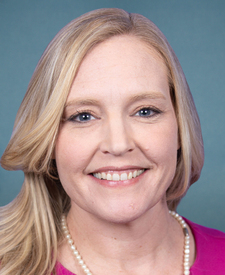
See how Erin Houchin actually votes — against your values.
DeepSyte scores Erin Houchin's record on the issues you care about — not party, not press releases. Take the 2-minute values quiz to see your personal alignment.
Sign in and take the values quiz to see how Erin Houchin's votes line up with your views.
Prediction track record
How often we called Erin Houchin's passage votes correctly, from their stated positions on each bill's tagged topics. Excludes “unclear” calls and abstentions.
7 predictions on record · none have been resolved by a passage vote yet. Check back as bills move.
Based on 7 data points across public statements and recorded votes · AI analysis of public records
118-hr-2811·Notable gap
Limit, Save, Grow Act of 2023
15/100
What they said
Mar 24, 2026
The release advocates for legislation that holds colleges accountable for student loan repayment outcomes by tying federal aid eligibility to cohort repayment rates and requiring institutions to share financial responsibility for unpaid student debt.
Rep. Houchin's statement advocates for holding colleges accountable through federal aid eligibility tied to repayment rates and requiring institutions to share financial risk for unpaid debt. However, the Limit, Save, Grow Act (H.R. 2811) that she voted for does the opposite on student debt: it nullifies regulations for federal student loan debt cancellation and does not establish accountability mechanisms tied to college repayment outcomes. Her yes vote on this bill is inconsistent with her stated position on college accountability for student debt.
Providing for congressional disapproval under chapter 8 of title 5, United States Code, of the rule submitted by the Department of Education relating to "Waivers and Modifications of Federal Student Loans".
15/100
What they said
Mar 24, 2026
The release advocates for legislation that holds colleges accountable for student loan repayment outcomes by tying federal aid eligibility to cohort repayment rates and requiring institutions to share financial responsibility for unpaid student debt.
Voted Yea on Providing for congressional disapproval under chapter 8 of title 5, United States Code, of the rule submitted by the Department of Education relating to "Waivers and Modifications of Federal Student Loans".
Rep. Houchin's statement advocates for holding colleges accountable for student loan repayment outcomes and tying federal aid to cohort repayment rates. However, she voted yes on H.J.Res. 45, which nullifies the Department of Education's October 2022 rule that suspended federal student loan payments and discharged debt. These positions point in opposite directions: her statement supports accountability measures that would improve repayment outcomes, while her vote supported eliminating a policy that reduced borrower debt obligations. The vote undermines the stated goal of improving student loan repayment by removing a mechanism that had suspended payments.
The release advocates for legislation that holds colleges accountable for student loan repayment outcomes by tying federal aid eligibility to cohort repayment rates and requiring institutions to share financial responsibility for unpaid student debt.
The statement advocates for holding colleges accountable for student loan repayment outcomes by tying federal aid eligibility to performance metrics and requiring institutions to share financial risk. The ACCESS Act, by contrast, prohibits federal agencies from requiring minimum experience or educational requirements for contractor personnel except with written justification—a deregulatory measure unrelated to college accountability or student debt. Rep. Houchin's yes vote on the ACCESS Act is inconsistent with her stated position on college accountability for student outcomes.
Providing for congressional disapproval under chapter 8 of title 5, United States Code, of the rule submitted by the Department of Education relating to "Improving Income Driven Repayment for the William D. Ford Federal Direct Loan Program and the Federal Family Education Loan (FFEL) Program".
15/100
What they said
Mar 24, 2026
The release advocates for legislation that holds colleges accountable for student loan repayment outcomes by tying federal aid eligibility to cohort repayment rates and requiring institutions to share financial responsibility for unpaid student debt.
Voted Yea on Providing for congressional disapproval under chapter 8 of title 5, United States Code, of the rule submitted by the Department of Education relating to "Improving Income Driven Repayment for the William D. Ford Federal Direct Loan Program and the Federal Family Education Loan (FFEL) Program".
Rep. Houchin's statement advocates for holding colleges accountable through federal aid eligibility tied to repayment outcomes and requiring institutions to share financial risk for unpaid debt. However, her vote was to disapprove the Department of Education's income-driven repayment rule that created the SAVE plan—a policy designed to help borrowers manage loan repayment through income-based mechanisms. These positions point in opposite directions: the statement supports accountability measures that incentivize college performance on repayment, while the vote rejected a federal rule aimed at improving repayment outcomes for borrowers. The vote undermines rather than advances the stated goal of improving student loan repayment.
Providing for congressional disapproval under chapter 8 of title 5, United States Code, of the rule submitted by the Department of Education relating to "Waivers and Modifications of Federal Student Loans".
15/100
What they said
Mar 24, 2026
The release advocates for legislation that holds colleges accountable for student loan repayment outcomes by tying federal aid eligibility to cohort repayment rates and requiring institutions to share financial responsibility for unpaid student debt.
Voted Yea on Providing for congressional disapproval under chapter 8 of title 5, United States Code, of the rule submitted by the Department of Education relating to "Waivers and Modifications of Federal Student Loans".
Rep. Houchin's statement advocates for holding colleges accountable for student loan repayment outcomes and tying federal aid to cohort repayment rates. However, she voted yes on H.J.Res. 45, which nullifies the Department of Education's October 2022 rule that suspended federal student loan payments and discharged debt. These positions point in opposite directions: her statement supports accountability measures that would improve repayment outcomes, while her vote supported eliminating a policy that reduced borrower debt burdens. The vote is inconsistent with the stated goal of helping students succeed after graduation.
Extension of Continuing Appropriations and Other Matters Act, 2024
25/100
What they said
Mar 24, 2026
The release advocates for legislation that holds colleges accountable for student loan repayment outcomes by tying federal aid eligibility to cohort repayment rates and requiring institutions to share financial responsibility for unpaid student debt.
Rep. Houchin's statement advocates for holding colleges accountable through cohort repayment rate standards and requiring institutions to share financial risk for unpaid student debt. However, the bill she voted against (HR 7463) is a continuing appropriations resolution that addresses government funding extensions and modifies federal student aid eligibility requirements—it does not establish the accountability mechanisms or institutional financial responsibility provisions described in her statement. Her 'no' vote is inconsistent with her stated position supporting this accountability framework.
The release advocates for legislation that holds colleges accountable for student loan repayment outcomes by tying federal aid eligibility to cohort repayment rates and requiring institutions to share financial responsibility for unpaid student debt.
Rep. Houchin's statement advocates for holding colleges accountable through federal aid eligibility tied to repayment rates and requiring institutions to share financial responsibility for student debt. The Limit, Save, Grow Act includes provisions that nullify regulations for federal student loan debt cancellation and reduce spending, which moves in the opposite direction from the accountability framework Houchin described. Her procedural 'no' vote on this bill is consistent with opposing legislation that includes student debt cancellation nullification, though the bill bundles multiple unrelated provisions (debt limits, energy credits, SNAP work requirements), creating ambiguity about her specific objection.
Pairs with ambiguous language and high uncertainty are withheld until more data is available. Procedural, cloture, and amendment votes are excluded — they don't cleanly signal substantive support or opposition.
Pro analysis
AI rep analysis — Pro
Get an AI-narrated read on Erin Houchin's full voting record against your stated values — aligned themes, conflicts, notable votes, and what to watch for.
We haven't extracted campaign positions for Erin Houchin yet. Once their campaign website or position pages are processed, this card will track what they said vs how they voted.
Crossing the aisle
Passage votes where Erin Houchin broke ranks with ≥75% of Republicans. Threshold catches substantively partisan splits; unanimous-ish or close votes are excluded.
1
Cross-aisle vote
118-hr-4531·Dec 12, 2023·86% of R voted YES
Support for Patients and Communities Reauthorization Act
Houchin, Mrvan Introduce Bill to Expand Suicide Prevention Services for Veterans
Position: The release advocates for legislation requiring the Department of Veterans Affairs to provide suicide prevention planning services outside normal business hours upon veteran request, to improve access to mental health crisis support for veterans.
WASHINGTON, D.C. — Congresswoman Erin Houchin (R-IN-09) and Congressman Frank Mrvan (D-IN-01) introduced the bipartisan Outreach Now: Timely Intervention for Mental Health Emergencies (ON TIME) Act. The legislation would require the Department of Veterans Affairs to make suicide prevention planning services available outside of normal business hours upon a veteran's request, helping ensure veterans can access support when they are available.
“When veterans experience mental health crises, they deserve the attention and follow-up necessary to address their needs,” said Rep. Houchin. “Through specialized VA staff, veterans can receive help and crisis support. However, too often these specialists are only available during regular business hours. That is impractical for our working veterans, leaving them without assistance when they may need it most. This bill will ensure that veterans in crisis will have access to support through the VA at any time, day or night.”
“Thank you to Congresswoman Houchin for leading this important effort to ensure that VA resources and personnel are able to reach veterans who have been flagged as high risk for suicide,” said Rep. Mrvan. “I look forward to continuing to work with all of my colleagues to advance this initiative to ensure that those who voluntarily defend our nation receive every resource, consideration, and compassionate assistance when they return home from service.”
The Department of Veterans Affairs currently provides suicide prevention coordination services to veterans identified as being at high risk for suicide. However, veterans who are unavailable during traditional business hours may miss critical outreach and follow-up. The ON TIME Act would require VA medical centers to make these services available outside of normal working hours upon request, improving access to care and strengthening suicide prevention efforts for veterans across the country.
Read bill text here.
Issues:Veterans
Houchin, Deluzio Introduce Bipartisan Bill to Study Screen Time and Youth Development
Position: The bill requires the U.S. Surgeon General to develop evidence-based screen time recommendations for children ages 0–18, working with an independent entity disconnected from the tech industry, to be published within one year of enactment.
WASHINGTON, D.C. — Today, Congresswoman Erin Houchin (R-IN) and Congressman Chris Deluzio (D-PA) introduced the bipartisan Screen-time Management And Recommendations for Teens (SMART) and Kids Act. The bill would require the United States Surgeon General to develop evidence-informed screen time recommendations for children. These recommendations would be based on independent, evidence-based research, not regulations on devices or users.
“We know excessive screen time has been linked to mental health and developmental challenges in children,” said Rep. Houchin. “Parents deserve clear, evidence-based guidance on the dangers of excessive screen time and how to get kids to unplug. The SMART Kids Act is a commonsense bill to help parents navigate the realities of raising children in an increasingly digital world.”
“Screens are everywhere these days, and we ought to be studying how screen time can impact our kids and their development,” said Rep. Deluzio. “I’m proud to introduce the bipartisan SMART Kids Act to require the Surgeon General to develop evidence-based screen time recommendations for kids. Parents like me know that screens are impacting American children. Let’s study screen time and put out research-based recommendations to help families across the country, so they can make smart decisions for their kids.”
This bipartisan bill would require the Surgeon General to develop recommendations on healthy amounts of screen time for children ages 0 to 18. Because not all screens are created equal, the bill also allows for recommendations based on the quality of screen use, recognizing that a smartboard may not have the same effect on children as an iPad. The SMART Kids Act also requires the Surgeon General to work with an independent entity disconnected from the tech industry to develop these recommendations. The recommendations would be published within one year of the bill’s enactment.
"The SMART Kids Act is an important step toward providing families with the science-backed tools they need to navigate an increasingly complex digital world. By tasking the Surgeon General with developing age-specific recommendations, this legislation prioritizes the developmental needs of our children and acknowledges that healthy screen habits are essential to protecting youth mental health and ensuring long-term well-being." — Arthur C. Evans Jr., PhD, CEO of the American Psychological Association
“We endorse the effort to create screen time guidelines for kids. Parents need and want clear, evidence-based guidance, and our hope is that this is a step in the right direction.” — Emily Boddy, Founder and Co-Lead, Smartphone Free Childhood US
“Children and Screens supports the SMART Kids Act as an important step toward providing families with clear, evidence-based guidance to navigate the risks and opportunities of children’s media use. As digital environments continue to shape how children learn and develop, age-specific recommendations grounded in science can help parents and caregivers make more informed decisions that support healthy development and well-being.” — Kris Perry MSW., Executive Director, Children and Screens: Institute of Digital Media and Child Development
“In today’s attention economy, children are spending increasing amounts of time on screens, which has been shown to negatively impact cognitive and social development. The SMART Kids Act is a bipartisan and pragmatic proposal designed to investigate the underlying causes of technology dependence and directly address these concerns.” — Joel Thayer, president of the Digital Progress Institute
“We applaud Representatives Deluzio and Houchin for recognizing the urgent need to address youth screen time and its effects on children’s health and development. Parents deserve clear, evidence-based recommendations that empower them to create healthier digital habits for their children. This bipartisan effort aligns closely with our mission to protect childhood, support student wellbeing, and foster healthier environments both in and out of school.” — Mileva Repasky Co-Founder, Phone-Free Schools Movement
The SMART Kids Act has a broad coalition of supporters including AFT, American Psychological Association (APA), Anxious Generation, Digitally Intentional, Smartphone Free Childhood US, Children and Screens: Institute of Digital Media and Child Development, Lebo Unplugged (Mothers Against Media Addiction chapter), Phone-Free Schools Movement, Screen Strong, The Balance Project, The Organization for Social Media Safety, American Economic Liberties Project (AELP), and the Digital Progress Institute.
Read the bill text here.
Position: Rep. Houchin supports federal policies that provide regulatory clarity and support for water utilities investing in PFAS treatment infrastructure to protect public health.
WASHINGTON, D.C. — Congresswoman Erin Houchin visited Charlestown last week to tour Indiana American Water’s PFAS treatment facility and receive an update on efforts to improve water quality and address emerging contaminants.
Indiana American Water acquired the Charlestown water utility in March 2019 and built a new $16 million water treatment facility that came online in 2022. The company then added a nearly $6 million PFAS treatment system that went online in December 2025, making it the first public water system in Indiana to install PFAS treatment technology, according to the Indiana Department of Environmental Management. The facility serves approximately 8,000 residents and businesses.
PFAS, or per- and polyfluoroalkyl substances, are synthetic chemicals commonly used in industrial applications that do not break down in the environment and can accumulate over time. Federal regulators have recently taken steps to designate certain PFAS compounds as hazardous substances, raising important questions about cleanup responsibility and the need for clear, consistent policy.
“Access to clean, safe drinking water is essential for every community,” said Rep. Houchin. “What we saw in Charlestown is a strong example of proactive investment to protect public health. For the first time in Indiana, a water utility has developed and implemented techniques to remove microplastics from our water. It is an encouraging development. As emerging contaminants continue to be discovered, it's critical that utilities have the clarity and support needed to continue making these investments.”
“Charlestown represents the future of water quality and community investment,” said Christine Keck, Vice President, Chief Legislative and External Affairs Officer. “We’re proud to lead the way in PFAS treatment and infrastructure modernization, ensuring Hoosiers have access to safe, clean, reliable and affordable water.”
“At Indiana American Water, caring for our customers' health and providing high‑quality water is our top priority,” said Barry Suits, President of Indiana American Water. “This PFAS treatment system in Charlestown continues the momentum we've established statewide and reflects our commitment to proactively address PFAS and contaminants of emerging concern in the communities we serve, and we appreciate Congresswoman Houchin’s partnership and attention to the critical need for water infrastructure investment.”
Rep. Houchin continues working with colleagues on the House Energy and Commerce Committee to advance policies that protect water quality, provide regulatory certainty, and ensure a fair approach to addressing PFAS contamination.
Houchin Visits Gauck Farms, POET Bioprocessing to Highlight Farm Bill, Push for Year-Round E-15
Position: Rep. Houchin supports the recently passed Farm Bill for strengthening risk management and rural investment, and advocates for year-round E-15 sales to increase corn demand and provide more affordable fuel options.
WASHINGTON, D.C. — Congresswoman Erin Houchin traveled across Indiana’s Ninth District this week to meet with local farmers and biofuel leaders, highlighting the recent passage of the Farm Bill and advocating for year-round E-15.
During a stop at Gauck Farms, Rep. Houchin met with producers to discuss how the Farm, Food, and National Security Act will strengthen risk management tools, improve access to credit, support conservation practices, and invest in rural communities.
This marks the first comprehensive Farm Bill since 2018, coming after years of rising input costs, inflation, and increased volatility across the agricultural economy.
“Indiana farmers work hard to feed and fuel our country, and they do not ask for much,” said Rep. Houchin. “They only ask for a fair shot and the freedom to do what they do best. After years without an updated Farm Bill, this legislation helps provide certainty, reduces burdens, and helps ensure our producers can continue to operate and grow to be competitive with the rest of the world.”
“It was great to host Congresswoman Houchin at our farm and have a conversation about what this Farm Bill means on the ground,” said Tim Gauck, owner of Gauck Farms. “Weather, markets, costs, there’s a lot we can’t control. Having these programs in place helps family farms navigate uncertainty.”
“Having updated policies that reflect today’s challenges is critical for farm families,” said Steve Gauck with Beck's Hybrids. “This bill helps make sure farmers across America can keep going, even when facing adversity. We truly appreciate Congresswoman Houchin taking the time to listen and advocate for Indiana agriculture.”
Rep. Houchin also toured the POET Bioprocessing facility, where she met with members of the ethanol industry and the Indiana Corn Growers Association to discuss the importance of allowing year-round E-15 sales.
“Expanding year-round E-15 is a win for farmers and consumers,” said Rep. Houchin. “It strengthens demand for Indiana corn, lowers input costs for producers, and provides more affordable fuel options at the pump.”
“E-15 plays a critical role in supporting our farmers and delivering value to consumers,” said Josh Bales, Quality Manager at POET Bioprocessing. “We appreciate Congresswoman Houchin’s leadership on this issue and her support for policies that strengthen the biofuels industry.”
Rep. Houchin continues to work with her colleagues in Congress to advance policies that support Indiana agriculture, promote domestic energy production, and lower costs for families.
Issues:Agriculture
Position: The release advocates for the Campus Lifeline Act, which expands awareness and access to the 988 Suicide & Crisis Lifeline for students and young adults by allowing it to be printed on driver's licenses and student IDs, and strengthens campus mental health efforts through Garrett Lee Smith grants.
WASHINGTON, D.C. – This week, Congresswoman Erin Houchin (IN-09) introduced the Campus Lifeline Act of 2026 alongside Representatives Lori Trahan (D-MA), David Valadao (R-CA), and Mark Pocan (D-WI). This bipartisan legislation aims to expand awareness and access to the 988 Suicide & Crisis Lifeline for students and young adults.
The Campus Lifeline Act clarifies that the 988 Lifeline can be printed on driver’s licenses and student identification cards, helping ensure young people have immediate access to critical resources. The bill also strengthens campus mental health efforts by allowing Garrett Lee Smith grants to support student-led early intervention and outreach.
In 2023, 40 percent of high school students reported feeling persistently sad or hopeless, and nearly one in ten attempted suicide, yet awareness of the 988 Lifeline remains low among young adults. Indiana has led on this issue by requiring 988 on student IDs, and the Campus Lifeline Act builds on those efforts by expanding access nationwide.
“We have a responsibility to make sure young people know where to turn in a moment of crisis,” said Rep. Houchin. “During Youth Mental Health Awareness Week, I’m proud to introduce the Campus Lifeline Act to expand access to the 988 Lifeline and strengthen support on campuses. This bill promotes early intervention, student engagement, and life-saving mental health resources. It’s our goal to make sure every young person knows help is available.”
“Every young person deserves access to compassionate, lifesaving mental health care when they need it most,” said Rep. Trahan. “I was proud to lead the Garrett Lee Smith Reauthorization Act to strengthen and expand suicide prevention programs for young people, and this bipartisan legislation builds on that work by increasing awareness of and access to these vital services. By leveraging the reach of the 988 Suicide & Crisis Lifeline, we can connect more teens and young adults with the support they need, ensure they know help is available, and reach more young people before a crisis becomes a tragedy.”
“Young adults are facing a growing mental health crisis, but too many still don’t know where to turn for help,” said Rep. Valadao. “While California law requires the 988 Suicide & Crisis Lifeline be printed on student ID cards, access to this lifesaving resource shouldn’t depend on your zip code. By expanding existing Garrett Lee Smith (GLS) Memorial Grants and ensuring 988 is added to new IDs nationwide, we can raise awareness for mental health care, connect more people to support, and help prevent tragedies before they happen."
"The 988 Suicide & Crisis Lifeline has saved lives. There’s no question about it," said Rep. Pocan. "The more awareness we can raise about 988, especially among our young people, the better. I’m glad to help lead this effort with Reps. Houchin, Trahan, and Valadao.”
“Youth-informed policy is not only powerful, it’s necessary. The best policies and laws are shaped by those with firsthand experience who understand both the challenges and the solutions,” said Anika Rahman, Director of Policy at Active Minds. “We are grateful to Representatives Houchin (R-IN), Trahan (D-MA), Valadao (R-CA), and Pocan (D-WI) for recognizing the importance of youth-led solutions and for their bipartisan leadership on the Campus Lifeline Act. What began as a youth-led initiative to place 988 on the back of student ID cards on campuses has now grown into the introduction of federal legislation with the potential to create nationwide change. Awareness and education around mental health resources are vital, and when young people lead, they help create solutions that are practical and accessible.”
This bill has been referred to the House Energy and Commerce Committee, on which Rep. Houchin serves.
Read bill text here.
Issues:Education
Reps. Houchin and Chu Introduce the Bipartisan Increasing Access to Foster Care Through Age 21 Act
Position: The release advocates for federal legislation that would incentivize states to extend foster care services to youth through age 21 by removing income eligibility requirements and providing federal matching funds for those costs.
WASHINGTON, DC – Rep. Erin Houchin (IN-09) and Rep. Judy Chu (CA-28) re-introduced the Increasing Access to Foster Care Through Age 21 Act, which would provide an incentive for all states to extend services for foster youth through age 21. Rep. Houchin serves as co-chair of the Congressional Caucus on Foster Youth.
Over 20,000 young people age out of foster care each year, often without a supportive adult presence in their life. Research shows that extending support into the first few years of adulthood can make a clear, positive difference in the lives of youth in care. This includes: increasing the likelihood of youth completing high school, enrolling in college, and finding employment, increasing the likelihood that youth feel they have enough people to turn to for support and guidance, and decreasing the odds that youth experience food insecurity, homelessness, or incarceration.
In recognition of this, over 36 states, including Indiana, the District of Columbia, and nine Tribes have extended Title IV-E foster care for youth beyond age 18 following Congress passing the Fostering Connections to Success and Increasing Adoptions Act in 2008, which gave states the option to do so. By providing an incentive for additional states to extend care, the Increasing Access to Foster Care Through Age 21 Act would help more child welfare agencies prevent the foster youth in their care from aging out of the system alone and unsupported on their 18th birthday.
“As someone who dedicated the first part of my career to child services, I am thrilled to co-lead the Increasing Access to Foster Care Through Age 21 Act alongside Rep. Chu. Our goal is to provide vital support and services to young adults navigating the challenges of aging out of foster care,” said Rep. Houchin. “I have witnessed the positive impact of such programs firsthand. By extending care through age 21, we ensure that these individuals have the resources and essential opportunities for a successful transition into adulthood.”
“Too many young people across the country lose crucial foster care supports the moment they turn 18. But in California, one of the first states to extend foster care through age 21, we have seen the positive impact additional support through the transition into adulthood has on physical and mental health, economic success, and overall satisfaction with life,” said Rep. Chu. “I’m proud to author this bipartisan bill with Rep. Houchin to help more states support young adults from 18 to 21 with the services they need to thrive as they step into adulthood.”
The Increasing Access to Foster Care Through Age 21 Act would:
Provide a financial incentive to states to take up the option to extend care by removing Title IV-E income eligibility requirements for youth ages 18-21, which currently tie a young person’s eligibility for services to the income of their often-estranged parents or legal guardians, thereby ensuring states receive the federal match for their costs.
Provide that by opting to extend care through age 21, youth who voluntarily leave care at 18 would have the ability to re-enter care should they need to.
Ensure categorical eligibility for extended care for youth ages 18 through 21.
Request the Administration for Children and Families (ACF) to issue guidance in consultation with the Department of Labor (DOL) on how case workers can better connect foster youth with Workforce Innovation and Opportunity Act (WIOA) youth job programs.
“Foster Success centers the voices and experiences of young people who have navigated foster care, and they are clear—support during the transition to adulthood is essential to their long-term success,” said Dr. Maggie Stevens, President & CEO at Foster Success. “The Increasing Access to Foster Care Through Age 21 Act is a critical step toward removing outdated barriers that limit access to support and ensuring more young people can connect to the opportunities, stability, and support they need to thrive.”
“Journey to Success applauds Reps. Chu and Houchin for their bipartisan legislation to remove burdensome and outdated barriers to extended foster care,” said Hope Cooper, Journey to Success campaign manager. “Extended foster care improves young adult outcomes in employment, education, and housing stability—and even a small dose can make a meaningful difference. By making it easier for states to extend care through age 21 and removing unnecessary eligibility hurdles, this bill will help more young people access the stability and support they need to thrive. On behalf of the youth we serve, we’re grateful to Reps. Chu and Houchin for their leadership in expanding opportunity and helping pave the way to bright futures that all young people deserve.”
“The Child Welfare League of America is pleased to endorse the Increasing Access to Foster Care Through Age 21 Act,” said Linda Spears, President and CEO of the Child Welfare League of America. “Federal data tells us that compared to youth that leave foster care at age 18, youth who remain in care longer have better outcomes across multiple measures. This legislation builds on the advances in supports and service provision made by states that currently extend foster care beyond age 18 and is a positive step toward ensuring that all young people in foster care have the option to remain in care until age 21, regardless of where they live. CWLA applauds Representatives Chu and Houchin for their commitment to improving support for older youth with child welfare system involvement.”
“The Increasing Access to Foster Care Through Age 21 marks a significant milestone in how our country supports young people transitioning from foster care to adulthood. This legislation challenges states not only to provide extended foster care, but to increase quality, accessibility and long-term financial sustainability of these services. Research-backed, high-quality extended foster care available in every state will help ensure better outcomes for young adults. Equally important, this bill acknowledges that the voices and lived experience of young people must be centered as they navigate their transition to independence. Youth Villages commends Representatives Chu and Houchin for advancing a thoughtful, step-by-step approach that provides states with a clear framework to strengthen their systems to provide high-quality extended foster care program to every young adult,” said Patrick Lawler, CEO, Youth Villages.
"For years, young people with foster care experience have told us exactly what they need—and one of the clearest messages is that 18 is too soon to be on your own. Representatives Chu and Houchin leading this bill is a direct response to that call. Every young person, in every state, deserves the time and support to grow into adulthood feeling connected and stable—and by incentivizing states to extend care through 21, this legislation helps make that a reality. FosterClub is proud to stand behind it," saidCeleste Bodner, Executive Director of FosterClub.
“Extending the critical supports of foster care until age 21 can make a significant difference in the outcomes for the 20,000 youth who age out of care each year,” said Debbie-Ann Anderson, president of the National Association of County Human Services Administrators (NACHSA). “NACHSA applauds Representative Chu and Representative Houchin for their continued, bipartisan efforts to provide additional federal funding for county child welfare agencies so we can better prepare this important population for the transition to adulthood. We urge Congress to quickly pass the Increasing Access to Foster Care Through Age 21 Act.”
“As an early-adopter of extending foster care benefits to age 21, California county child welfare agencies have seen first-hand the significant benefits and improved outcomes for our transition-aged foster youth across many aspects of their lives, from improved earnings and educational attainment, to reduced homelessness and incarceration,” said Carlos Marquez III, Executive Director of the County Welfare Directors Association of California (CWDA). “CWDA applauds the reintroduction of the Increasing Access to Foster Care Through Age 21 Act to provide additional federal resources to support these efforts.”
“At SchoolHouse Connection, we see every day how homelessness after foster care and lack of supportive relationships can derail education and opportunity. We strongly support policies that keep young people connected to the support they need to succeed. We are grateful to Representatives Chu and Houchin for introducing this essential legislation and for their leadership on behalf of young people. This bill reflects what research and lived experience tell us: extending care and allowing re-entry can improve education, housing, economic mobility, and long-term well-being,” said Barbara Duffield, Executive Director, SchoolHouse Connection.
“We envision a world where every young person is well-supported in their community and has the resources they need to thrive. This legislation is a major step toward that goal,” said Allison Green, Chief Legal Officer of the National Association of Counsel for Children. “By incentivizing states to give young people the option to remain in care through age 21, youth will be more likely to be safe, housed, educated, and employed—in short, the foundation necessary to transition to adulthood.”
The bill is endorsed by Foster Success, Journey to Success, Child Welfare League of America (CWLA), Youth Villages, FosterClub, National Association of County Human Services Administrators (NACHSA), National Association of Counties (NACo), County Welfare Directors Association of California (CWDA), California State Association of Counties (CSAC), SchoolHouse Connection, American Academy of Pediatrics (AAP), Youth Law Center, Children’s Advocacy Institute, National Association of Counsel for Children (NACC), National Center on Adoption and Permanency (NCAP).
Read bill text here.
Houchin Celebrates House Passage of Rural Broadband Protection Act, Bill Headed to President's Desk
WASHINGTON, D.C. — Congresswoman Erin Houchin (IN-09) today celebrated House passage of S. 98, the Rural Broadband Protection Act. Rep. Houchin sponsored the House companion bill, which passed the House unanimously last year, and the Senate version was led by Senator Shelley Moore Capito (R-WV). The bipartisan legislation strengthens accountability in federal broadband programs and helps ensure taxpayer dollars reach rural communities that need internet access.
“Too many families in rural Indiana are still without reliable internet access, and that is why this continues to be one of my main legislative priorities in Congress,” said Rep. Houchin. “It is an issue that has real consequences for education, health care, and precision agriculture. This legislation ensures that when Congress sends broadband dollars to states, those dollars actually reach rural areas through proven providers, safeguarding every dollar toward connecting Hoosier families and Americans nationwide. I’m proud to have authored and championed this bill in the House and am pleased it now heads to President Trump's desk.”
The bill requires the Federal Communications Commission (FCC) to establish a stronger vetting process for internet service providers seeking funding through the FCC's high-cost Universal Service Fund programs. Applicants must demonstrate their technical, financial, and operational capabilities, along with a sound business plan, before receiving federal support. The FCC will also review applicants based on experience and compliance history before awarding funding, helping prevent waste and ensuring underserved communities are connected by providers equipped to get the job done.
The legislation now heads to President Trump’s desk to be signed into law.
Watch Rep. Houchin deliver remarks on the House floor here.
Joint Statement from Kids Online Safety Caucus Co-Chairs Houchin and Auchincloss on Meta, YouTube Verdict
Position: The representatives call for Congress to pass federal legislation establishing age assurance requirements for online platforms, raising the age of Internet adulthood to at least 16 and holding apps liable for compliance, citing the need to protect children from platform exploitation.
“Today is a good day in the overdue effort to hold social media corporations accountable. Meta and YouTube tried to deny, deflect, and delay – but a jury heard the evidence and found them negligent in how they designed their apps for children.
However, Congress must be clear-eyed about the limits of litigation. Going forward, the platforms will change their terms of service language and continue to hide their exploitation of children behind bad-faith Section 230 defenses.
Lawmakers must come together in a bipartisan effort to pass a federal age assurance law that raises the age of Internet adulthood to at least 16 years old and holds apps liable for adhering to it. We have the bills, we’re on the committee of jurisdiction, and we’re committed to working together to make it happen.” – Representatives Erin Houchin (R-IN) and Jake Auchincloss (D-MA)
Houchin Introduces Bipartisan Bill to Hold Colleges Accountable for Student Debt
Position: The release advocates for legislation that holds colleges accountable for student loan repayment outcomes by tying federal aid eligibility to cohort repayment rates and requiring institutions to share financial responsibility for unpaid student debt.
WASHINGTON, D.C. — Congresswoman Erin Houchin (IN-09) introduced H.R. 8009, the Student Protection and Success Act, legislation aimed at increasing accountability for institutions of higher education, improving student loan repayment outcomes, and ensuring colleges deliver real value for students and taxpayers.
Houchin introduced the legislation alongside Congresswoman Marie Gluesenkamp Perez (WA-03). A companion bill is being led in the Senate by Senators Todd Young (R-IN) and Jeanne Shaheen (D-NH).
The Student Protection and Success Act reforms the Higher Education Act of 1965 to hold colleges accountable when students are broadly unable to repay their loans. The bill establishes new standards tied to cohort repayment rates and requires institutions with poor outcomes to share in the financial risk of unpaid student debt.
“Higher education should open doors, not trap students in debt,” said Rep. Houchin. “This bipartisan bill brings long-overdue accountability to our higher education system by ensuring colleges have an actual stake in student success. If colleges are benefiting from federal dollars, they should be delivering measurable results and putting students on a path to succeed after graduation.”
“The rising cost of college—coupled with the debt students incur in order to attend—has become a barrier for too many young people who want to pursue higher education to achieve their career and life goals,” said Senator Shaheen. “Our bipartisan bill will increase accountability measures for loan repayments to ensure that institutions of higher education keep their promises to borrowers and empower students to succeed after graduation – helping to address the alarmingly high cost of higher education and better ensure college affordability for generations of students to come.”
“This legislation will nudge colleges into doing more for the students they serve,” said Rep. Gluesenkamp Perez. “Student debt is wildly out of control and the federal government shouldn't be left footing the whole bill. We need to put the responsibility back in the hands of colleges to help students achieve and turn that debt into something more productive.”
Specifically, the legislation:
Prohibits federal aid programs, like Pell grants or Perkins loans, from going to colleges where 15% or less of students are on track to repay their loans
Creates the College Opportunity Bonus Program, an institution-seeded fund to reward colleges that effectively educate significant low-income student populations
Requires colleges to share financial responsibility for unpaid student loans and high unemployment of graduates, incentivizing programs that contribute meaningfully to student professional development
Promotes transparency by requiring the publication of institutional repayment rates
The bill builds on growing bipartisan momentum to address the rising cost of higher education and ensure federal investments are tied to meaningful student outcomes.
See text of the Student Protection and Success Act here.
Issues:Education
Congresswoman Houchin Applauds Committee Passage of Science of Reading Act
WASHINGTON, D.C. — Congresswoman Erin Houchin (IN-09) applauded the passage of her legislation, H.R. 7890, the Science of Reading Act of 2026, out of the House Education and Workforce Committee.
The bipartisan bill, which Houchin introduced last week with cosponsors Rep. John W. Mannion (NY-22) and Rep. Kevin Kiley (CA-03), prioritizes evidence-based literacy instruction and ensures federal education funding supports proven methods that help students learn to read.
The Science of Reading Act requires instruction grounded in phonics, vocabulary, fluency, comprehension, and writing, while discouraging ineffective approaches like the three-cueing model.
“Reading is the foundation of every student’s success, and right now, too many children are left behind. Parents, teachers, and students deserve better. The Science of Reading Act gets us back to the basics and ensures our classrooms are equipped with the proven, phonics-based methods to effectively teach all students to read. I am proud to see this legislation move out of committee and will continue to fight to get it across the finish line.” – Rep. Houchin (IN-09)
“Literacy is a gateway skill—if students can’t read, they aren’t able to access learning from other subjects, and studies show these impacts are seen outside of the classroom as well. Unfortunately, reading scores have been plummeting nationwide. It is past time we reject failed fads, raise standards, and ensure every child gains the skills essential to be successful.”– Chairman Walberg (MI-05)
“As a teacher for nearly three decades, I know that strong reading skills are foundational to a student’s success in the classroom and in life. The Science of Reading Act of 2026 delivers proven, evidence-based instruction that helps students build those skills early and effectively. As states continue adopting the science of reading approach, this bipartisan effort creates a clear, consistent framework to improve outcomes nationwide. This is a critical step toward ensuring that the United States remains globally competitive and every student has the tools they need to succeed from the classroom to their career.” – Rep. Mannion (NY-22)
“The ability to read is the foundation of every child’s education, and the Science of Reading Act of 2026 ensures we use methods that actually work. This bill prioritizes evidence-based instruction grounded in phonics, comprehension, and the core building blocks of literacy. By aligning federal support with proven methods, we can ensure every child has the opportunity to become a confident, capable reader.” – Rep. Kiley (CA-03)
The Science of Reading Act amends the Elementary and Secondary Education Act to prioritize funding for literacy programs aligned with the science of reading and to ensure state literacy plans reflect these evidence-based approaches.
The legislation now heads to the House floor for consideration.
See text of the Science of Reading Act here.
Issues:Education
Source: GDELT 2.0 GKG, filtered to a curated list of national outlets. Inclusion is not endorsement; opinion pieces and reported news are mixed.
Recent stock activity
Periodic transaction reports filed under the STOCK Act — disclosed by the rep, sourced from public filings.
No disclosed trades on record.
Source: open-data mirrors of the Senate eFD and House Clerk financial-disclosure systems. Disclosure within 30 days of trade is required by law (45 for spouse/dependent trades).
Top PAC donors · 2026 cycle
Political action committees that gave the most to this rep's principal campaign committee this cycle. PAC giving is direct organizational support — industry, ideological, or leadership.
1.GOP WINNING WOMEN 2026Leadership4 contributionsRepublican party-aligned PAC focused on supporting female GOP candidates and women's engagement in Republican politics.AI$26,066
3.INDIANA ACRE/INDIANA STATEWIDE ASSN OF RECS INC -DBA INDIANA ELECTRIC COOPS4 contributions$20,000
4.NATIONAL ASSOCIATION OF BROADCASTERS PAC (NABPAC)Tech3 contributionsBroadcasting-industry PAC — backs candidates supporting media ownership rules, spectrum policy, and regulatory positions favoring traditional broadcast television and radio.AI$16,000
5.HALLADOR ENERGY COMPANY PAC2 contributions$10,200
6.AMERICAN REVIVAL PACIdeological1 contributionSingle-issue or ideological PAC — specific positions not clearly inferable from the name alone.AI · low$10,000
7.CHARTER COMMUNICATIONS INC. PACTech2 contributionsTelecom and media PAC — backs candidates supporting broadband infrastructure investment, regulatory policies favorable to cable and internet service providers, and telecommunications competition.AI$10,000
8.NATIONAL ASSOCIATION OF PROFESSIONAL EMPLOYER ORGANIZATIONS PAC (NAPEO PAC)2 contributions$10,000
9.INDIANA FARM BUREAU INC ELECT PAC INCAgriculture2 contributionsAgricultural advocacy PAC affiliated with Indiana Farm Bureau — supports candidates backing farm-friendly policies, commodity protections, and rural infrastructure.AI$10,000
10.MR. SOUTHERN MISSOURIAN IN THE HOUSE PACLeadership2 contributionsMember-of-Congress leadership PAC — supports allied candidates and Democratic causes, likely affiliated with a House member representing southern Missouri.AI$10,000
Source: OpenFEC (api.open.fec.gov) Schedule A receipts where contributor type is “committee.” Aggregated by contributing committee. Self-transfers from joint-fundraising / victory committees are excluded.
Top individual contributors · 2026 cycle
Itemized individual contributions over $200 to this rep's campaign committee, aggregated by donor employer. PAC giving is shown above; this section is people, not organizations.
1.MARQUIS MANAGEMENT INC.$12,000
2.ELWOOD STAFFING$10,000
3.CM SMITH RESTAURANTS INC$8,562
4.NORTH AMERICAN MIDWAY ENTERTAINMENT$8,500
5.WABASH VALLEY RESOURCES HOLDING LLC$8,000
6.INFO REQUESTED$7,500
7.PIVOTAL VENTURES$7,050
8.SELF$7,041
9.BEDEL FINANCIAL CONSULTING$7,000
10.CLEARPATH$7,000
Source: OpenFEC Schedule A receipts where contributor type is “individual,” aggregated by the donor's self-reported employer. This is a geographic / industry correlation, not a corporate endorsement.